Did the Bulgarian Parliament Approve the Resignation of Zhelyazkov's Government?
Click to start listening
Synopsis
The Bulgarian parliament's unanimous vote to accept the resignation of Prime Minister Zhelyazkov's government marks a pivotal moment amid ongoing protests. Citizens across the nation demand accountability and transparency from their leaders, as the government faces increasing pressure from the public. What will happen next in Bulgaria's political landscape?
Key Takeaways
- Unanimous Approval: 227 lawmakers voted to accept the resignation of Zhelyazkov's government.
- Public Outcry: Widespread protests demand accountability and transparency from the ruling party.
- Future Governance: President Radev will invite parties to form a new government or appoint a caretaker cabinet.
- Nationwide Movement: Protests evolved from budget dissatisfaction into a broader call for change.
- Political Shifts: The resignation reflects significant public sentiment and desire for new leadership.
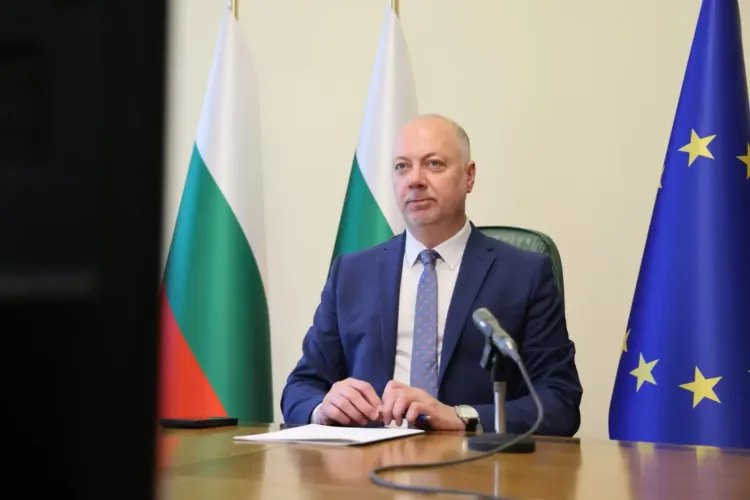
Sofia, Dec 12 (NationPress) The Bulgarian parliament voted unanimously on Friday to accept the resignation of the government led by Prime Minister Rossen Zhelyazkov, which was in power since January, as reported by local media.
A total of 227 lawmakers supported the resignation in the 240-member National Assembly. This decision followed Zhelyazkov's announcement of the government's resignation on Thursday, which came after widespread protests across Bulgaria against the ruling majority, particularly targeting Movement for Rights and Freedoms leader Delyan Peevski and GERB-UDF leader Boiko Borissov, according to The Sofia Globe.
Notably, Zhelyazkov and other Cabinet members were absent during the two-hour debate held prior to the vote.
Following this, Bulgarian President Rumen Radev is set to invite political parties to form a new government. Should these parties be unsuccessful in forming a government, Radev will appoint a caretaker cabinet to manage the country until new elections are held. Since the anti-corruption protests against Borissov's government in 2020, Bulgaria has seen a total of seven snap elections.
On Thursday, Zhelyazkov mentioned that the resignation was announced just before another vote of confidence, marking the sixth such vote since the government took office in January.
"We are confident that the government will receive support in the upcoming vote of no confidence. However, we believe that the decisions of the National Assembly are only meaningful when they reflect the will of the sovereign," Zhelyazkov stated, as quoted by Politico.
He further expressed, "Our goal is to meet the expectations of society. At this time, as mandated by the constitution, power originates from the people's voice. We acknowledge the voice of citizens protesting against the government."
"Individuals of all ages and from various ethnic backgrounds have called for the resignation. We endorse this civic energy and encourage it," he added.
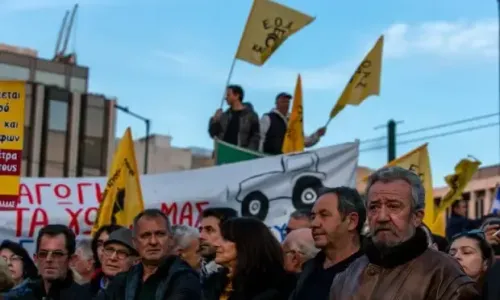
Protests erupted in Bulgaria in November over a budget proposal that sought to impose higher taxes on the private sector while increasing funding for the state sector. However, the primary catalyst for the protests has been widespread dissatisfaction with the government, as reported by Politico. What began as a protest over the budget proposal morphed into a nationwide call for accountability, transparency, and new leadership.
Earlier in November, Zhelyazkov declared that the cabinet would retract the 2026 budget package following protests against the plan outside Parliament. This announcement came after his discussions with representatives of the parliamentary groups supporting his minority government, according to The Sofia Globe.
The Bulgarian government had introduced the budget without consulting trade unions and employer associations after these groups refused to participate in meetings due to their opposition to the proposed revenue-raising measures, particularly the hikes in social security contributions and capital gains tax.
On November 26, thousands of Bulgarians participated in a protest organized by the opposition coalition We Continue the Change – Democratic Bulgaria in central Sofia against the government's 2026 budget. This protest was one of the largest seen in Sofia in recent years, as noted by The Sofia Globe. Protest organizers highlighted the increase in social security contributions, the doubling of dividend taxes, and objections to the introduction of special electronic accounting devices for businesses as key reasons for opposing the budget.
Point of View
I recognize the profound implications of this development in Bulgaria's political landscape. The unanimous vote for resignation reflects the public's strong desire for accountability and change. It is a crucial moment for the nation's democracy as the citizens' voices are being acknowledged. We will continue to monitor the situation closely.
NationPress
14/12/2025
Frequently Asked Questions
What led to the resignation of Zhelyazkov's government?
The resignation stemmed from widespread protests across Bulgaria against the ruling majority and dissatisfaction with government policies, particularly regarding the budget proposals.
How many lawmakers supported the resignation?
A total of 227 lawmakers voted in favor of the resignation in the 240-member National Assembly.
What happens next in Bulgaria's political scenario?
Bulgarian President Rumen Radev will invite political parties to form a new government. If they fail, a caretaker cabinet will be appointed.
What were the main issues raised by the protesters?
Protesters demanded accountability, transparency, and changes to the government due to dissatisfaction with tax increases and budget proposals.
How many elections have been held in Bulgaria since 2020?
Bulgaria has held a total of seven snap elections since the anti-corruption protests against the Borissov government in 2020.