China's CCP surveillance database tracks foreigners in real time
Synopsis
A leaked database analysis reveals China's CCP has built a system that doesn't just track where foreigners are — it maps who they know, who they live near, and who they've been seen with on camera. With 700 million surveillance devices and journalists being denied entry, the scale of China's foreign-monitoring apparatus is far broader than previously documented.
Key Takeaways
China's Dynamic Control Platform for Overseas Personnel tracks foreigners' real-time locations, relationships, and activity histories using cameras, facial recognition, visa records, and app data.
Citizens of the Five Eyes alliance — Australia , Canada , New Zealand , the UK , and the US — are among primary targets, monitored down to neighbourhood block level.
China operates over 700 million surveillance cameras — approximately one per every two citizens.
Multiple US journalists, including Travis Gillmore , Mari Otsu , and Lei Chen , were reportedly denied visas to cover a Trump visit.
China holds 116 media professionals in detention and ranks third-worst on the World Press Freedom Index .
A sweeping surveillance infrastructure operated by China's Chinese Communist Party (CCP) is reportedly monitoring the real-time locations, personal relationships, and activity histories of foreign nationals inside China, according to an analysis by cybersecurity research organisation NetAskari. The system, known as the Dynamic Control Platform for Overseas Personnel, integrates security cameras, facial recognition technology, visa records, and mobile application data to build detailed profiles on its targets.
How the Platform Works
According to the NetAskari analysis, the database files on each individual include a photograph, country of origin, employer, full name in both English and Chinese, date of birth, citizenship status, passport number, and Chinese mobile number. The depth of relational mapping within the system is particularly striking.
'You can see who knows each other, who are classmates, who are colleagues, if they live in the same neighbourhood, if they live in the same block, if they've been spotted on camera together even,' wrote Mary Man, citing Sophia Yan, a correspondent for a UK-based daily, who reportedly discovered her own personal profile within the database.
Who Is Being Targeted
Foreign journalists and other individuals classified as 'sensitive' are designated as primary targets. The platform reportedly pays particular attention to citizens of the Five Eyes intelligence alliance — Australia, Canada, New Zealand, the United Kingdom, and the United States — tracking their precise distribution within specific Chinese cities down to the neighbourhood block level, according to the analysis.
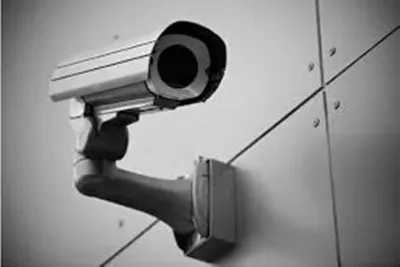
China's broader surveillance infrastructure provides the backbone for this system. The country reportedly operates more than 700 million cameras — roughly one monitoring device for every two citizens.
Journalists Denied Entry, Press Freedom Under Scrutiny
The surveillance apparatus is accompanied by direct restrictions on media access. Multiple American journalists reportedly scheduled to cover a visit by US President Donald Trump were denied visas by the CCP. Among those barred were The Epoch Times White House correspondent Travis Gillmore, NTD Television reporter Mari Otsu, and photojournalist Lei Chen, according to reports.
China currently holds 116 media professionals behind bars, making it the world's largest jailer of journalists. It ranks third-worst on the World Press Freedom Index, placed just above North Korea and Eritrea.
Broader Implications for Foreign Nationals
The revelations have intensified concern among foreign visitors, diplomats, and business professionals operating within China. The platform's ability to map social networks — not merely physical locations — represents a qualitative escalation in state surveillance capability. This comes amid an already strained environment for foreign press and civil society organisations working inside the country.
As scrutiny of China's digital surveillance exports grows internationally, the domestic deployment of such granular tracking systems is likely to sharpen debates over the safety and privacy of foreigners conducting business, journalism, or academic work on Chinese soil.
Point of View
Works with, or has been photographed near is an intelligence-grade capability deployed at civilian scale. That a UK-based correspondent found her own profile in the database suggests the system is operational, not aspirational. China's simultaneous denial of visas to foreign journalists covering a high-profile diplomatic event compounds the concern: the state is both watching those inside and blocking those trying to get in. For governments and corporations sending nationals to China, this is no longer a theoretical risk.
NationPress
8 Oct 2026
Frequently Asked Questions
What is China's Dynamic Control Platform for Overseas Personnel?
It is a CCP-operated surveillance system that tracks foreign nationals inside China by integrating security cameras, facial recognition, visa records, and mobile app data. According to an analysis by cybersecurity research organisation NetAskari, the platform builds detailed profiles including photographs, passport numbers, employer details, and social relationship maps.
Who are the primary targets of this surveillance system?
Foreign journalists and individuals classified as 'sensitive' are designated primary targets. Citizens of the Five Eyes alliance — Australia, Canada, New Zealand, the United Kingdom, and the United States — are also specifically monitored, with their locations tracked down to the neighbourhood block level within Chinese cities.
How extensive is China's overall surveillance network?
China reportedly operates more than 700 million surveillance cameras, roughly one device for every two citizens. This infrastructure forms the backbone of the Dynamic Control Platform and other state monitoring systems.
Why were American journalists denied visas to enter China?
Multiple US journalists scheduled to cover a visit by President Donald Trump were reportedly denied visas by the CCP. Those barred included The Epoch Times correspondent Travis Gillmore, NTD Television reporter Mari Otsu, and photojournalist Lei Chen, according to reports.
How does China rank on global press freedom indices?
China currently holds 116 media professionals in detention, making it the world's largest jailer of journalists. It ranks third-worst on the World Press Freedom Index, placed just above North Korea and Eritrea.