China and Pakistan's Peace Plan Faces Challenges in West Asia Conflict
Synopsis
The ambitious China-Pakistan five-point peace proposal for the West Asia conflict is under scrutiny as experts argue that true resolution requires addressing the core issues rather than mere diplomatic gestures.
Key Takeaways
China-Pakistan peace proposal aims to address West Asia conflict.
Experts suggest core issues must be addressed for effective resolution.
Mediation without enforcement is largely symbolic .
True peace emerges from exhaustion, not moral clarity.
Future agreements must institutionalize mistrust and manage rivalries.
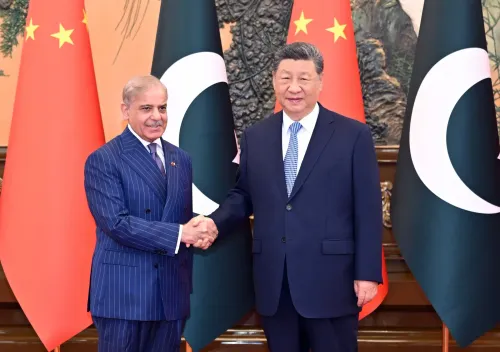
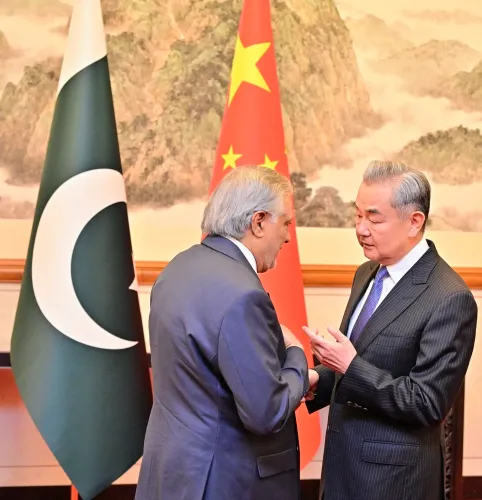
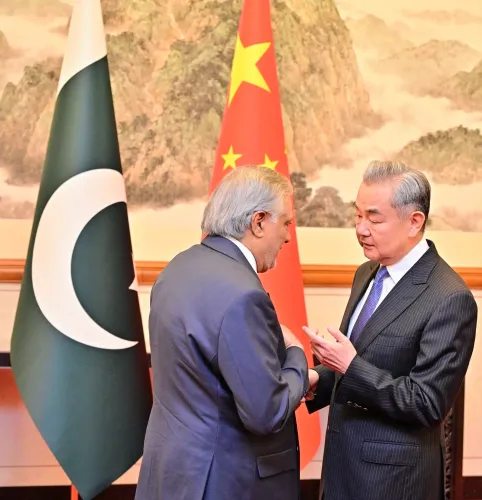
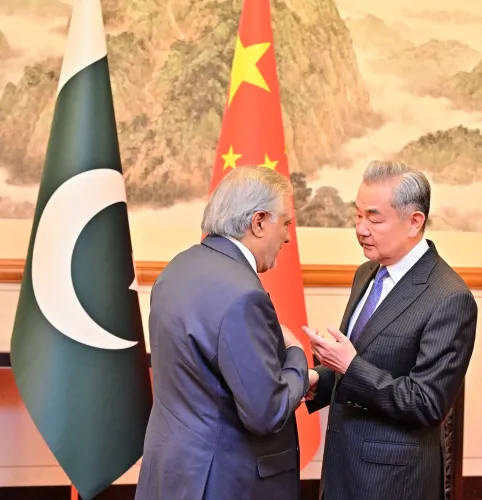
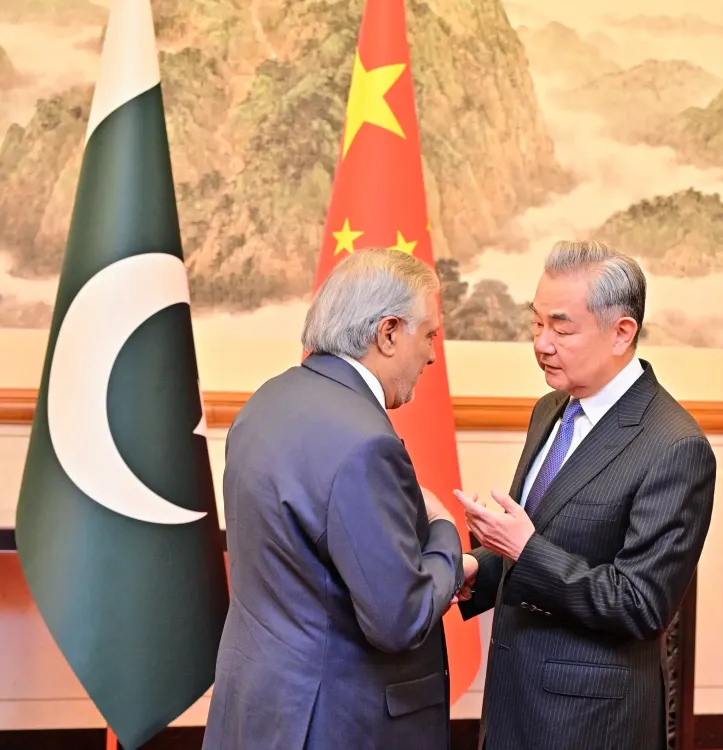
Tel Aviv, April 2 (NationPress) The collaborative five-point peace initiative by China and Pakistan aimed at addressing the West Asia conflict involving the United States, Israel, and Iran faces challenges, according to a report released on Thursday.
In an article for the 'Times of Israel,' Italian political consultant and geopolitical specialist Sergio Restelli emphasized that a feasible agreement must begin by acknowledging the fundamental interests of both parties rather than merely seeking a ceasefire.
"For the US and its allies, the primary concern revolves around the tangible capabilities of the Iranian state, not just abstract notions of stability. Key issues such as nuclear capabilities, missile range, and proxy network structures are at the heart of this conflict. Any agreement that sidesteps these critical questions merely postpones future escalations," Restelli remarked.
"From Tehran's perspective, the stakes are equally high. The negotiations are not about policy adjustments but about the very survival of the regime. Iran will not acquiesce to terms that resemble disarmament under duress or leave it vulnerable to potential strikes. Moreover, it will not relinquish its regional influence without credible and enforceable assurances. Any deal that expects Iran to trust its adversaries without changing the strategic landscape will inevitably fail," he added.
According to Restelli, mediation without enforcement is essentially symbolic, stressing that any potential agreement must involve actors capable of ensuring adherence and imposing penalties for violations. Instead of relying on a singular mediator, a coordinated approach involving powers with significant influence over the various parties may be necessary.
"There is a harsh reality that policymakers often overlook. Peace is unlikely to emerge during moments of moral clarity but rather at times of profound fatigue. The history of contemporary conflicts indicates that agreements are reached not when one side holds the moral high ground but when all parties are exhausted. Economic pressures, supply chain constraints, domestic challenges, and looming political deadlines all compel leaders to view compromise as a strategic necessity," Restelli elaborated.
"Thus, the objective is not to formulate idealistic terms but to prepare pragmatic ones ahead of that pivotal moment. A sustainable peace will not eradicate the rivalry between Iran and its adversaries; instead, it will manage it. It will not eliminate distrust; rather, it will institutionalize it. And it will not be founded on expressions of goodwill but on mechanisms that acknowledge its absence," he concluded.
Restelli further asserted, “The existing proposals fall short because they seek tranquility without confronting the underlying conflict. A future agreement will only thrive if it does the contrary.”
Point of View
The ongoing challenges in the West Asia conflict highlight the complexities of international diplomacy. The China-Pakistan proposal, while well-intentioned, may struggle to achieve its goals without a focus on the underlying issues that fuel the conflict.
NationPress
7 Oct 2026
Frequently Asked Questions
What is the main focus of the China-Pakistan peace proposal?
The proposal aims to address the ongoing conflict in West Asia involving the US, Israel, and Iran, but experts suggest it may fall short by not tackling core issues.
Why do experts believe the proposal may fail?
Experts argue that lasting peace typically requires acknowledging non-negotiable interests and addressing fundamental issues rather than relying on diplomatic gestures.
What do experts suggest is necessary for a successful agreement?
Experts recommend that any agreement must involve mechanisms for enforcement and compliance, addressing the realities of the regional power dynamics.
What do policymakers overlook regarding peace negotiations?
Many policymakers fail to recognize that peace often arises not from moral clarity but from exhaustion and the necessity of compromise among all parties involved.
How should future peace agreements be structured according to experts?
Future agreements should focus on realistic terms that manage rivalries and institutionalize mistrust rather than relying on goodwill alone.