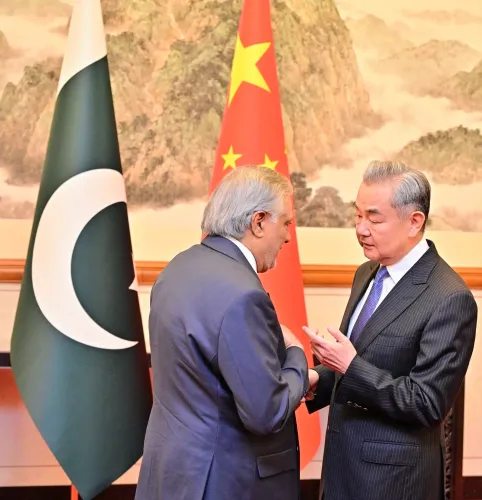
China-Pakistan Peace Initiative for West Asia Faces Major Challenges
Synopsis
The China-Pakistan peace initiative for West Asia is under scrutiny as experts highlight that mere diplomatic appeals are insufficient for resolving deep-rooted conflicts. This article explores the complexities involved in negotiating peace amidst ongoing tensions.
Key Takeaways
Diplomatic efforts alone are often insufficient for resolving large-scale conflicts.
Acknowledging the core interests of all parties is crucial for any peace agreement.
Enforcement mechanisms are necessary to ensure compliance with peace terms.
Exhaustion among parties often leads to successful negotiations.
Future agreements must address underlying conflicts rather than merely seeking calm.
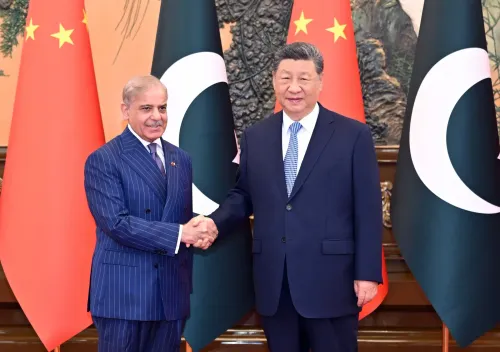
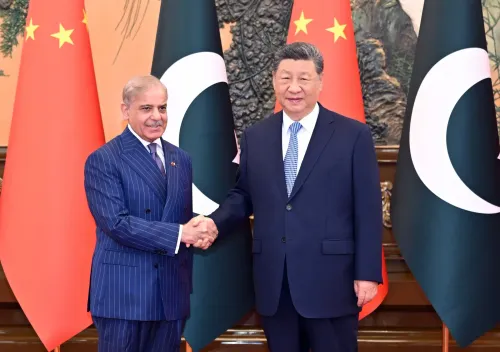
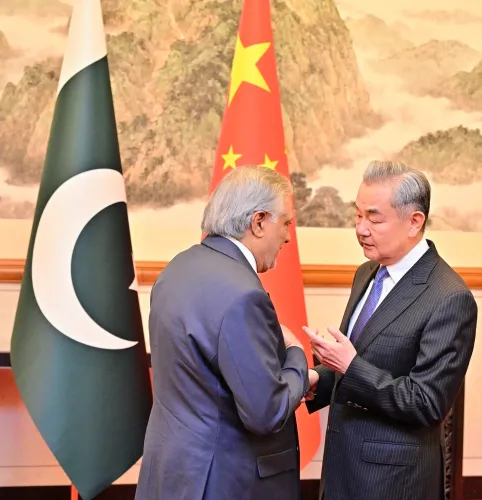
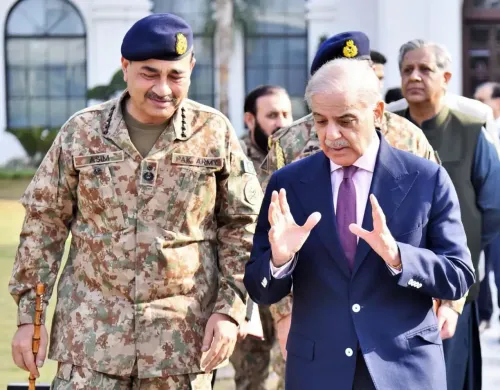
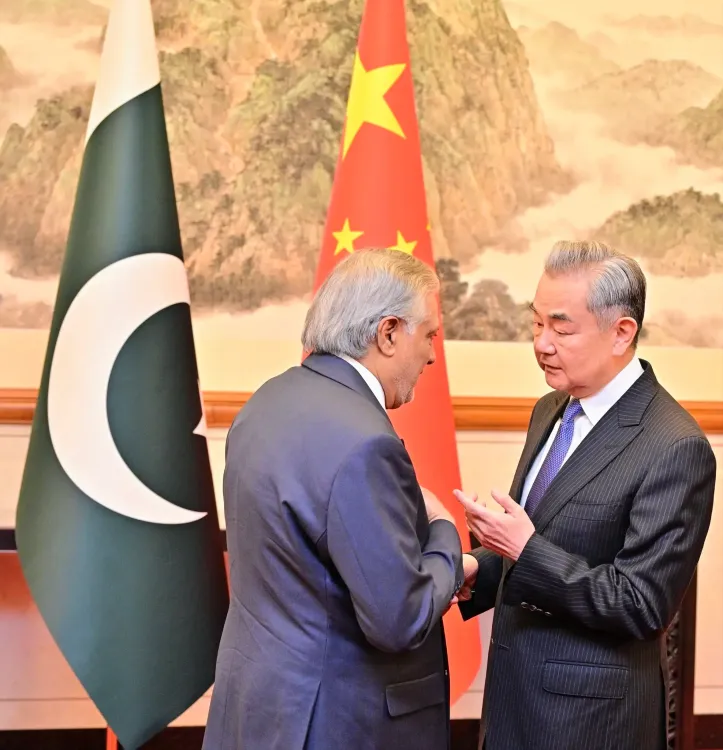
Tel Aviv, April 2 (NationPress) The collaborative five-point peace initiative proposed by China and Pakistan aimed at resolving the ongoing unrest in West Asia, which involves the United States, Israel, and Iran, is likely to face challenges. Such large-scale conflicts seldom conclude through mere diplomatic efforts, according to a report released on Thursday.
In an article for 'Times of Israel', renowned political advisor, author, and geopolitical analyst Sergio Restelli asserted that a successful agreement must start with acknowledging the essential interests of all parties involved, rather than merely calling for a ceasefire.
Restelli emphasized, "For the US and its allies, the foremost concern lies not in abstract notions of stability but in the tangible capabilities of the Iranian state. Issues like nuclear potential, missile range, and the structure of proxy networks are not incidental; they are central to the conflict. Any agreement that neglects these matters will merely postpone future escalations."
He further explained that for Tehran, the situation is equally dire. This is not simply a policy negotiation but a matter of survival. The Iranian regime will reject any terms that resemble disarmament under duress or that leave it vulnerable to future military actions. Additionally, it will not relinquish its regional power without credible and enforceable guarantees. An agreement that expects Iran to trust its adversaries without altering the strategic landscape will likely collapse immediately after being signed.
According to Restelli, mediation efforts that lack mechanisms for enforcement are merely symbolic. Any potential agreement would necessitate parties capable of ensuring compliance and enforcing penalties for violations. Rather than relying on a single mediator, a coordinated approach involving influential powers over various stakeholders may be required.
"There is a harsh reality that policymakers often shy away from. True peace is unlikely to emerge during moments of moral clarity but rather at times of profound exhaustion. Historical patterns in modern conflicts reveal that agreements are reached not when one side prevails but when all parties are fatigued. Economic pressures, supply chain disruptions, and domestic challenges heighten the urgency, prompting leaders to redefine compromise as a strategy," Restelli elaborated.
"Therefore, the objective should not be to draft idealistic terms but to prepare pragmatic ones ahead of that pivotal moment. A feasible peace will not eradicate the rivalry between Iran and its opponents; it will manage it. It will not eliminate distrust but rather institutionalize it. Such an agreement will not rest on expressions of goodwill but on frameworks that acknowledge its absence," he concluded.
Restelli noted, “Current proposals are doomed to fail because they seek tranquility without addressing the underlying conflict. Future agreements will only succeed if they take the opposite approach.”
Point of View
Highlighting the opinions of experts in geopolitical matters.
NationPress
7 Oct 2026
Frequently Asked Questions
What is the China-Pakistan peace initiative?
The China-Pakistan peace initiative is a proposed five-point plan aimed at resolving the ongoing conflict in West Asia involving key players like the US, Israel, and Iran.
Why might this peace proposal fail?
Experts suggest that the proposal may fail because it does not adequately address the underlying interests and concerns of the involved parties, particularly regarding Iran's security and capabilities.
What do experts suggest for achieving lasting peace?
Experts recommend that any successful agreement must recognize the non-negotiable interests of all sides, incorporate enforcement mechanisms, and prepare realistic terms ahead of negotiations.
What role does exhaustion play in conflict resolution?
Historically, conflicts tend to resolve not during moments of moral clarity, but rather when all parties are exhausted and forced to compromise due to external pressures.
How do current proposals differ from effective peace strategies?
Current proposals focus on achieving calm without addressing the root causes of conflict, whereas effective strategies must confront and manage these underlying issues.