China AI theft to feature in Trump-Xi talks, White House signals
Synopsis
The White House has signalled that AI theft will be on the table when Trump meets Xi — a first-of-its-kind elevation of the distillation controversy to summit-level diplomacy. With Anthropic reporting its largest known distilling attack and Treasury Secretary Bessent already sounding the alarm, Washington is moving from monitoring to confrontation on one of the most contested frontiers in the US-China rivalry.
Key Takeaways
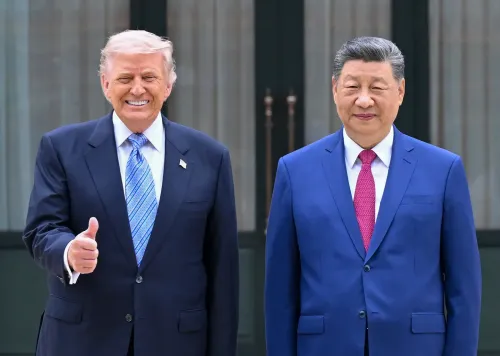
The White House indicated on 23 July that President Trump is expected to raise China's alleged AI technology acquisition when he meets President Xi Jinping later this year.
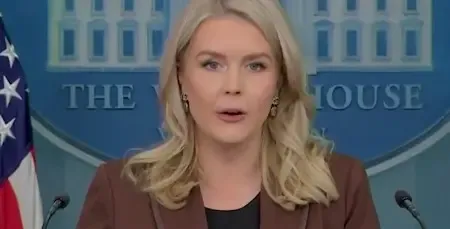
Press Secretary Karoline Leavitt said the issue is 'of high importance' to the administration for both national security and economic competitiveness.
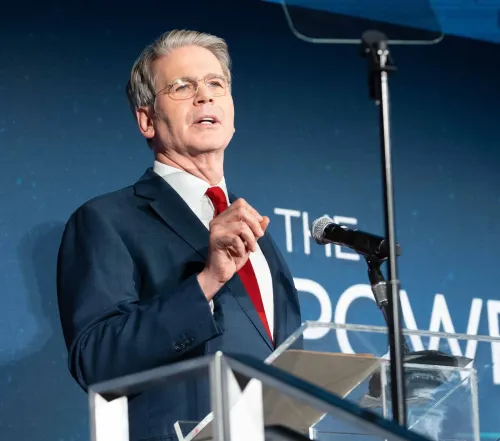
Treasury Secretary Scott Bessent had earlier flagged concerns about China 'distilling or stealing AI technology' developed in the United States.
AI company Anthropic reportedly experienced its largest known 'distilling attack' last month, cited at the briefing as a specific case of concern.
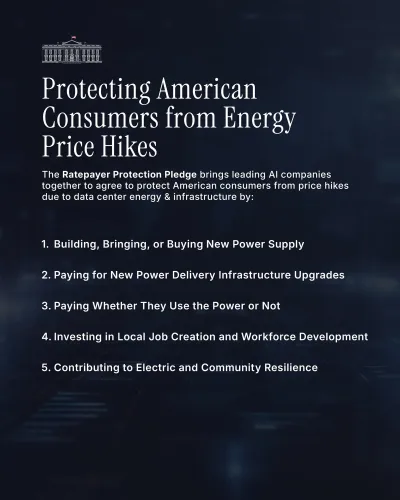
The Ratepayer Protection Pledge now covers about 80 per cent of US electricity consumers after nearly 200 additional stakeholders signed on.
The administration declined to confirm whether sanctions or other measures against Chinese AI companies are under consideration.
US President Donald Trump is expected to raise concerns over China's alleged acquisition of American artificial intelligence technology when he meets Chinese President Xi Jinping later this year, the White House indicated on Thursday, 23 July. The signal underscores Washington's determination to maintain its lead in the global AI race — a competition the administration has increasingly framed in national security terms.
What the White House Said
Press Secretary Karoline Leavitt, speaking at the daily White House briefing, confirmed that protecting US technological leadership would be a priority in any future discussions between the two leaders. Asked directly whether reports of Chinese AI firms allegedly distilling or stealing American AI models would feature in the expected September meeting, Leavitt said: 'I would imagine this would be something that's of high importance to the president and of this administration to obviously ensure that America remains dominant in the AI race.'
She added that the administration was 'tracking the particular situation,' referring to specific reports of Chinese entities allegedly obtaining American AI technology improperly. Leavitt declined to detail possible policy responses, but made clear the issue carries weight on both economic and national security grounds.
The Distillation Concern and Anthropic's Claim
The White House comments followed a reporter's reference to remarks made earlier this week by Treasury Secretary Scott Bessent, who raised concerns about China potentially 'distilling or stealing AI technology' developed in the United States. The question also cited claims by AI company Anthropic that it had experienced its largest known 'distilling attack' last month — a technique in which outputs from a proprietary model are used to train a competing system, effectively extracting its capabilities without authorisation.
Notably, this is not the first time AI intellectual property theft has surfaced as a flashpoint in US-China tech relations. The emergence of DeepSeek earlier this year, which drew scrutiny over its training methods, had already put the issue on Washington's radar. The Anthropic incident appears to have sharpened that concern considerably.
Sanctions and Policy Response
When asked whether Trump was considering sanctions or other measures against Chinese AI companies found to have stolen American intellectual property, Leavitt refused to speculate. 'I won't get ahead of the president on any potential actions,' she said. 'But obviously these conversations are taking place and again, they're of the utmost importance, not just for our national security, but to ensure America remains dominant in this space.'
The administration has not publicly detailed what enforcement tools it may deploy, leaving markets and tech companies to watch for executive action in the weeks ahead.
AI Data Centres and the Ratepayer Protection Pledge
Separately at the same briefing, Leavitt said Trump's expansion of the administration's Ratepayer Protection Pledge for AI data centres would further strengthen US leadership in artificial intelligence. The initiative requires utilities, developers, and technology companies to bear the costs of expanding electricity infrastructure needed for AI data centres, rather than passing those costs to consumers.
According to Leavitt, the programme now covers about 80 per cent of the electricity delivered to American homes and businesses after nearly 200 additional stakeholders signed the pledge. 'President Trump's bold leadership is turning data centres from a source of concern into engines of growth and opportunity for communities across this country, all while cementing America's dominance over China in the global AI race,' she said.
What Comes Next
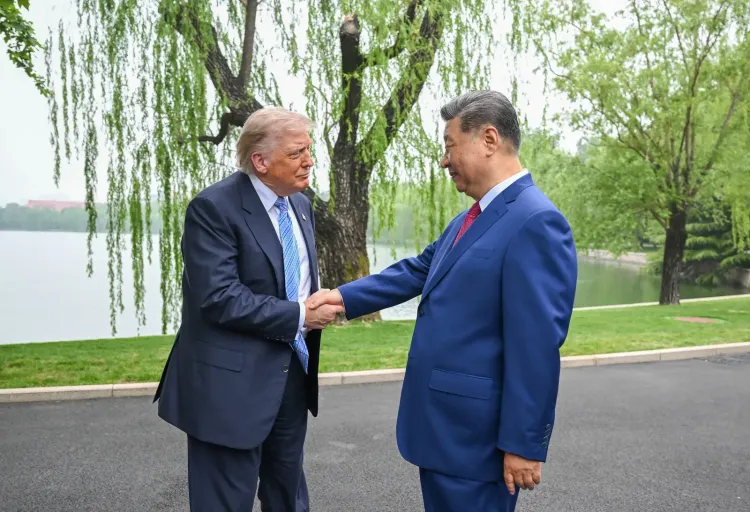
Trump and Xi are expected to meet later this year, with trade, technology, security, and broader bilateral relations likely to dominate the agenda. AI has emerged as an increasingly central issue in that relationship as both countries invest heavily in next-generation computing capabilities. Whether Washington moves to sanctions, export controls, or diplomatic pressure ahead of the summit will set the tone for one of the most consequential bilateral meetings of 2025.
Point of View
Signalling that Washington sees this as a systemic threat, not an isolated corporate complaint. Yet the White House's refusal to specify policy responses — sanctions, export controls, or otherwise — leaves the threat without teeth for now. The Anthropic distilling attack is a useful political hook, but the harder question is whether the US has the legal and technical architecture to prove and punish model theft at scale. Without that, the summit signal risks being more posture than policy.
NationPress
24 Jul 2026
Frequently Asked Questions
Will Trump raise China's AI theft at the meeting with Xi Jinping?
The White House indicated on 23 July that Trump is expected to raise concerns over China's alleged acquisition of American AI technology when he meets Xi Jinping, likely in September. Press Secretary Karoline Leavitt described the issue as 'of high importance' to the president and the administration.
What is AI 'distillation' and why is it a concern?
AI distillation is a technique in which outputs from a proprietary model are used to train a competing system, effectively extracting its capabilities without authorisation. The White House cited claims by Anthropic that it experienced its largest known distilling attack last month as a specific example of the concern.
What did Treasury Secretary Scott Bessent say about China and AI?
Treasury Secretary Scott Bessent raised concerns this week about China potentially 'distilling or stealing AI technology' developed in the United States. His remarks preceded the White House briefing at which Press Secretary Leavitt confirmed the administration was tracking the situation.
Is the US considering sanctions on Chinese AI companies?
The White House declined to confirm whether sanctions or other measures are under consideration. Leavitt said she would not 'get ahead of the president on any potential actions,' while affirming that related conversations are ongoing at the highest levels.
What is the Ratepayer Protection Pledge for AI data centres?
It is a US administration initiative that requires utilities, developers, and technology companies to bear the costs of expanding electricity infrastructure for AI data centres, rather than passing those costs to consumers. The programme now reportedly covers about 80 per cent of electricity delivered to American homes and businesses, with nearly 200 additional stakeholders having signed on.