China anti-corruption drive pushes officials to seek legal advice: Report
Synopsis
Xi Jinping's anti-corruption campaign — now in its second decade — is generating enough anxiety among Chinese officials and executives that they are quietly pre-briefing criminal lawyers before any formal arrest. The expansion to state enterprises, the broader definition of corruption, and a fresh 15th Five-Year Plan mandate signal this drive is institutionalising, not winding down.
Key Takeaways
Chinese officials, state-enterprise executives, and businesspeople are increasingly seeking pre-emptive advice from criminal lawyers amid a widening anti-corruption drive.
President Xi Jinping's anti-corruption campaign, launched in 2012 , has now entered its second decade and expanded beyond the Party to state-owned enterprises and wider society.
In January 2026 , the CPC Central Commission for Discipline Inspection called for intensified efforts through the 15th Five-Year Plan period (2026–2030) .
Lawyers advise seeking counsel before formal detention , when suspects have more scope to examine allegations and protect assets.
People's Daily broadened the definition of corruption to include malpractices, resource wastage, and work slackness — not just financial misconduct.
As China's anti-corruption campaign enters its second decade under President Xi Jinping, government officials, state-run enterprise executives, and businesspeople are increasingly turning to criminal lawyers for guidance on how to respond when notified of an investigation or contacted by disciplinary authorities, according to reports citing local Chinese media.
How the Inquiries Begin
The approach to lawyers is often cautious and indirect. Some clients initially claim they are seeking advice for a friend, while others reach out only after receiving a formal warning of a probe or a call from disciplinary authorities. In cases where a suspect has already been detained, it is typically family members who first seek legal assistance, reports indicate.
Criminal lawyers specialising in corruption-linked cases say their role now extends well beyond courtroom representation. Their counsel reportedly covers the distinction between criminal and non-criminal conduct, the possibility of avoiding formal arrest under applicable legal procedures, potential sentence reductions, and strategies for protecting family assets.
Why Lawyers Urge Early Engagement
Legal professionals familiar with China's disciplinary and judicial procedures argue that suspects and their families are better positioned if they seek advice before formal detention. At that earlier stage, there is reportedly greater scope to examine allegations, safeguard evidence, and assess available legal options. The growing demand for corruption-linked legal counsel reflects widespread uncertainty about how China's enforcement mechanisms operate in practice, according to the report.
Xi Jinping's Decade-Long Crackdown
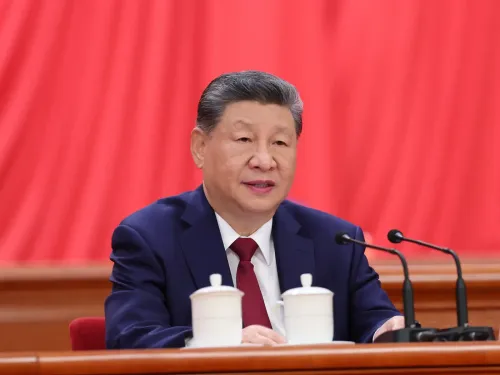
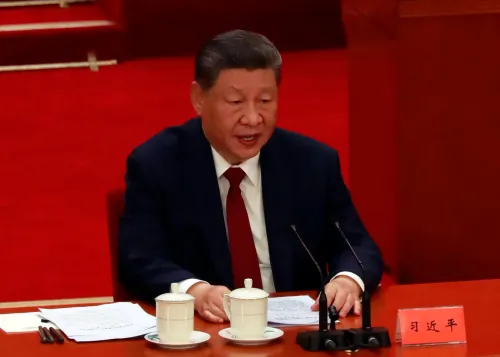
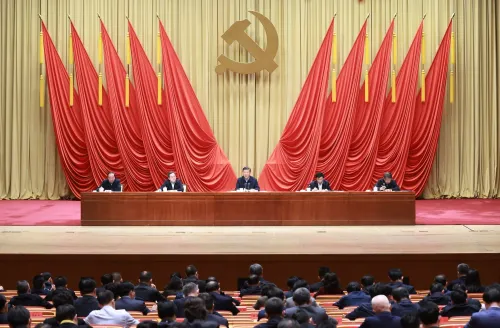
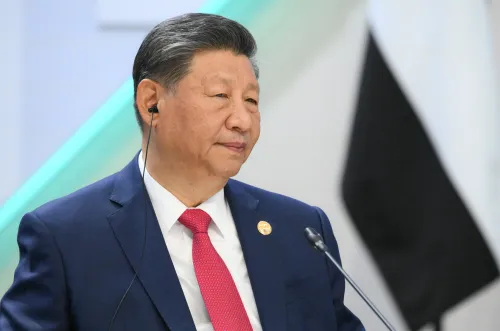
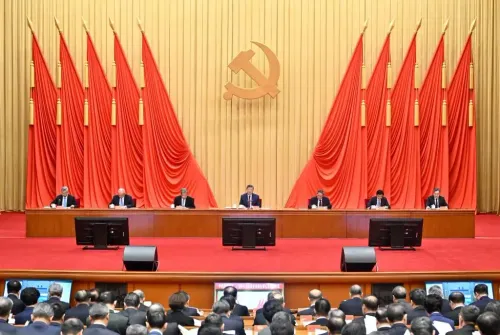
The anti-corruption drive initiated by President Xi in 2012 has progressively expanded beyond Party circles to encompass state-owned enterprises and broader society. In January 2026, the disciplinary body of the Communist Party of China (CPC) called for intensified anti-corruption efforts during the 15th Five-Year Plan period (2026–2030). The call was issued in a communiqué adopted at the fifth plenary session of the 20th CPC Central Commission for Discipline Inspection in Beijing. Xi, who also serves as General Secretary of the CPC Central Committee and Chairman of the Central Military Commission, attended the session and delivered a speech.
The Party's Stated Position
The CPC's mouthpiece People's Daily has articulated the ideological underpinning of the drive. 'President Xi Jinping has always held that there is no place for corruption in China. He sees corruption as a cancer that threatens the vitality of the world's largest Marxist governing party,' it stated, adding that the campaign is meant to ensure the Party works in the nation's interest rather than its own. Notably, People's Daily broadened the definition of corruption beyond financial wrongdoing to include malpractices, resource wastage, missed deadlines, and poor work discipline — a signal that the net is widening.
What This Means Going Forward
The surge in demand for pre-emptive legal counsel suggests that the campaign is generating significant anxiety among China's administrative and business classes. This comes amid a broader push during the 15th Five-Year Plan to embed anti-graft norms across economic and governance institutions. How the legal profession navigates its role — advising clients while operating within a system where the Party retains oversight of the judiciary — remains a key tension to watch.
Point of View
It signals that China's enforcement environment is perceived as unpredictable even by insiders. The broadening of 'corruption' to cover work slackness and resource wastage is particularly significant — it gives disciplinary bodies enormous discretion, which in a system without judicial independence can double as a political instrument. The 15th Five-Year Plan mandate means this is not a temporary campaign but a structural feature of governance. What mainstream coverage often misses is the chilling effect on decision-making: officials fearing prosecution may become risk-averse precisely when China's economy needs bold administrative action.
NationPress
24 Sept 2026
Frequently Asked Questions
Why are Chinese officials seeking legal advice amid the anti-corruption campaign?
Officials, state-enterprise executives, and businesspeople are consulting criminal lawyers pre-emptively because China's disciplinary enforcement system is seen as unpredictable, and early legal advice can help them assess allegations, protect evidence, and potentially avoid formal arrest. Reports indicate that clients often approach lawyers discreetly, sometimes claiming the inquiry is on behalf of a friend.
How long has Xi Jinping's anti-corruption campaign been running?
The campaign was launched in 2012 and is now in its second decade. It has progressively expanded from the Communist Party to state-owned enterprises and wider society, and was given a fresh mandate during the January 2026 CPC Central Commission for Discipline Inspection plenary session.
What did the CPC decide at its January 2026 discipline inspection session?
At the fifth plenary session of the 20th CPC Central Commission for Discipline Inspection held in Beijing in January 2026, the Party issued a communiqué calling for reinforced anti-corruption efforts throughout the 15th Five-Year Plan period (2026–2030). President Xi Jinping attended and delivered a speech at the session.
What does China now classify as corruption?
According to People's Daily, the CPC's definition of corruption goes beyond financial misconduct and includes malpractices, wastage of resources, failure to meet deadlines, and slackness at work. This broader definition expands the scope of who could be subject to disciplinary action.
What role do criminal lawyers play in China's anti-corruption cases?
Criminal lawyers in China now offer services that go well beyond courtroom defence — they advise clients on the boundary between criminal and non-criminal conduct, strategies to potentially avoid formal detention, sentence reduction options, and protection of family assets. Legal professionals recommend seeking this advice before formal detention, when legal options are reportedly wider.