China textile sector crisis: 1,500 firms shut in H1 2026 as demand collapses
Synopsis
China's textile industry — once the world's workshop floor — is hollowing out from within. With 1,500 firms gone in just six months, orders shrinking from months to days, and factories like Jiaxing Kanglong shifting denim production to Mexico, the sector's crisis is the clearest evidence yet that Beijing's pivot to consumer-led growth has stalled badly.
Key Takeaways
Roughly 1,500 textile and apparel firms dropped out of China's official industrial statistics in the first half of 2026 , according to a Mekong report.
Order durations in manufacturing hubs like Zhejiang and Guangzhou have collapsed from months to days, squeezing profit margins severely.
The slump is driven by weak consumer confidence, a prolonged property sector crisis, and slowing income growth undermining household spending.
Migrant workers are returning to hometowns as factories cut shifts, freeze hiring, or implement layoffs.
Jiaxing Kanglong Textile Co.
Ltd reportedly plans to halt China production and shift denim manufacturing to Mexico , signalling broader capacity migration.
Critics warn that Chinese investment in Mexican manufacturing could eventually pressure the American textile sector.
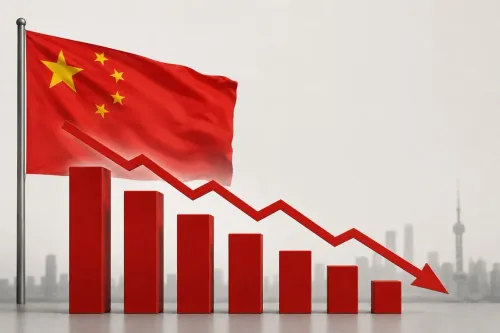
China's textile industry is facing a deepening structural crisis, with roughly 1,500 textile and apparel firms dropping out of the country's official industrial-enterprise statistics in the first half of 2026, according to a new report by Mekong. Factory closures, accelerating layoffs, and an outward shift of manufacturing capacity are emerging as defining features of the sector's decline.
Shrinking Orders, Vanishing Margins
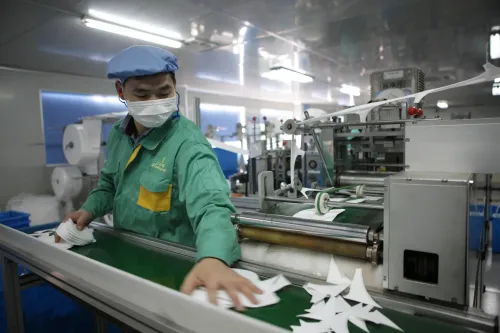
Factory floors across Zhejiang, Guangzhou, and other major manufacturing hubs have recorded a sharp fall in order sizes, according to the report. Contracts that once ran for months are now lasting only days, squeezing profit margins and making long-term planning increasingly difficult.
The Mekong report attributed the slump primarily to persistent weakness in domestic demand. 'Beijing sought to transition the Chinese economy from export dependence towards consumer-led growth. However, weak consumer confidence, a prolonged property sector crisis, economic uncertainty and slowing income growth have undermined household spending,' the report noted.
Layoffs Spread Across the Supply Chain
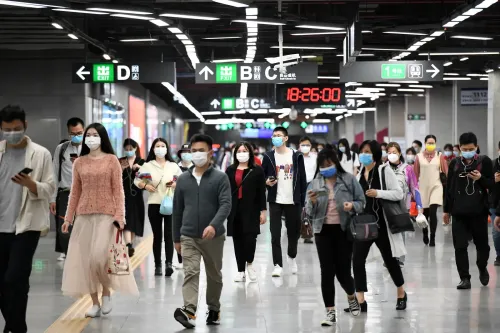
The human toll is becoming increasingly visible. Migrant workers who once flocked to China's industrial zones have reportedly returned to their hometowns as factories failed to guarantee stable employment. Many manufacturers have shortened work shifts, halted recruitment, or implemented layoffs to survive the downturn.
The impact is not confined to factory floors. 'Fibre producers, yarn manufacturers, dyeing facilities, finishing companies, logistics providers and apparel exporters are all experiencing the effects of reduced demand,' the Mekong report said, underscoring the breadth of the contraction across the textile supply chain.
Manufacturing Moves Out: Mexico Emerges as a Beneficiary
Jiaxing Kanglong Textile Co. Ltd, based in Zhejiang Province, reportedly plans to halt production in China and transfer part of its denim manufacturing operations to Mexico. The move is seen as a broader signal that manufacturing capacity is actively leaving China.
For producers seeking access to the North American market, Mexico has emerged as a primary destination for this industrial migration, owing to its proximity to the United States and lower logistics costs. Critics have argued that China's growing investment in Mexican manufacturing facilities could eventually weigh on the American textile sector, as Chinese companies establish production platforms closer to the US market.
What the Broader Trend Signals
This comes amid a wider pattern of 'China+1' sourcing strategies adopted by global buyers seeking to reduce supply-chain concentration risk — a trend accelerated by post-pandemic disruptions and geopolitical tensions. The textile sector's distress is, notably, one of the clearest early indicators of how deeply China's domestic consumption shortfall is feeding through to industrial output.
Whether Beijing's policy response will be sufficient to stabilise household spending — the linchpin of any recovery — remains an open question, with analysts watching stimulus measures and property sector resolution closely in the months ahead.
Point of View
500 firms vanished from official statistics in a single half-year, while factories migrate to Mexico to stay viable, suggests the rebalancing has failed at the household level. What mainstream coverage underplays is that the textile supply chain is a leading indicator: when fibre producers, dye houses, and logistics firms all contract simultaneously, it signals a demand collapse that runs far deeper than any one sector. The migration of capacity to Mexico also complicates the US-China tariff narrative — Chinese producers are effectively routing around geopolitical friction by reshoring to America's backyard, which will create new trade-policy headaches in Washington.
NationPress
15 Oct 2026
Frequently Asked Questions
What is happening to China's textile industry in 2026?
China's textile industry is contracting sharply, with roughly 1,500 textile and apparel firms disappearing from official industrial statistics in the first half of 2026 alone. Factories across Zhejiang and Guangzhou are reporting a collapse in order sizes, widespread layoffs, and a shift of manufacturing capacity overseas, particularly to Mexico.
Why is China's textile sector struggling?
The Mekong report attributes the downturn to persistent weakness in domestic demand, driven by weak consumer confidence, a prolonged property sector crisis, economic uncertainty, and slowing income growth. Beijing's push to shift the economy from export dependence to consumer-led growth has not translated into stronger household spending.
Why are Chinese textile manufacturers moving to Mexico?
Mexico offers proximity to the United States market and lower logistics costs, making it an attractive alternative for producers seeking North American market access. Jiaxing Kanglong Textile Co. Ltd in Zhejiang Province reportedly plans to halt China production and transfer part of its denim operations to Mexico, illustrating this broader migration.
Who is most affected by China's textile factory closures?
The impact runs across the entire supply chain — fibre producers, yarn manufacturers, dyeing facilities, finishing companies, logistics providers, and apparel exporters are all affected. Migrant workers dependent on factory wages are among the hardest hit, with many reportedly returning to their hometowns as factories cut shifts or close.
Could China's manufacturing shift to Mexico affect the United States?
Critics argue it could. As Chinese companies establish production platforms in Mexico closer to the US market, the American textile sector may face new competitive pressure. The shift is also seen as a way for Chinese manufacturers to navigate US tariffs by routing production through Mexico.