China may slow CPEC investments in Pakistan amid Balochistan security crisis
Synopsis
China's USD 65 billion CPEC bet in Pakistan is under serious strain. With the BLA logging over 100 attacks in just six months of 2026 — including an 'economic blockade' that torched 200-plus vehicles — analysts warn Beijing is now weighing a significant slowdown in new investments and a hard renegotiation of security terms with Islamabad.
Key Takeaways
China has invested an estimated USD 65 billion in the China–Pakistan Economic Corridor (CPEC) since 2015 .
The Balochistan Liberation Army (BLA) conducted more than 100 attacks on foreign investment projects and security personnel in Balochistan in the first six months of 2026 .
The BLA's declared 'economic blockade' led to over 200 vehicles being set ablaze across Balochistan's major highways.
Analyst Khalid Sultan warned that CPEC has lost much of its initial momentum and that fresh investment is increasingly difficult to attract.
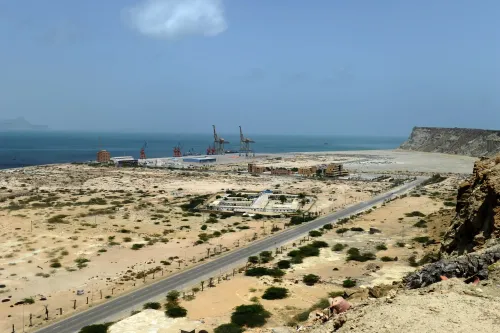
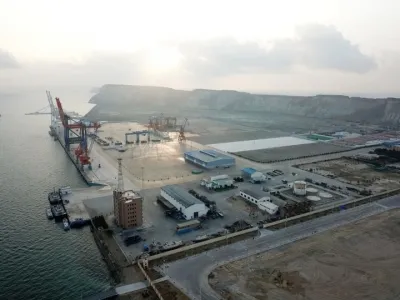
Gwadar Port , once envisioned as the crown jewel of CPEC and Pakistan's answer to Dubai, has effectively become a security no-go zone, according to reports.
China has repeatedly pressed Pakistan for stronger security guarantees for its personnel and infrastructure investments.
China is likely to adopt a significantly more cautious investment posture in Pakistan, slowing the pace of new commitments, reassessing ongoing projects, and demanding stronger security guarantees, if the deteriorating security situation in Balochistan persists, according to a detailed report. The warning comes as militant violence against Chinese-linked infrastructure and personnel continues to escalate across the province.
The Stakes: CPEC and Beijing's Balochistan Bet
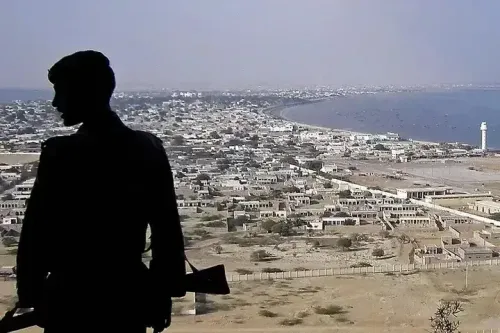
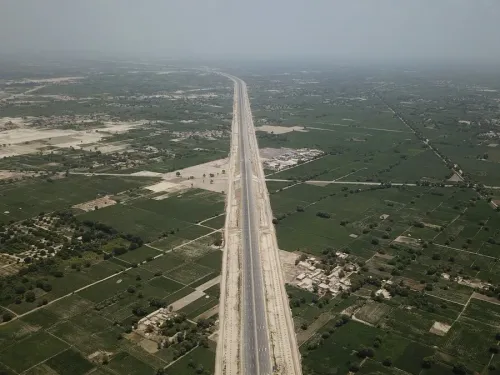
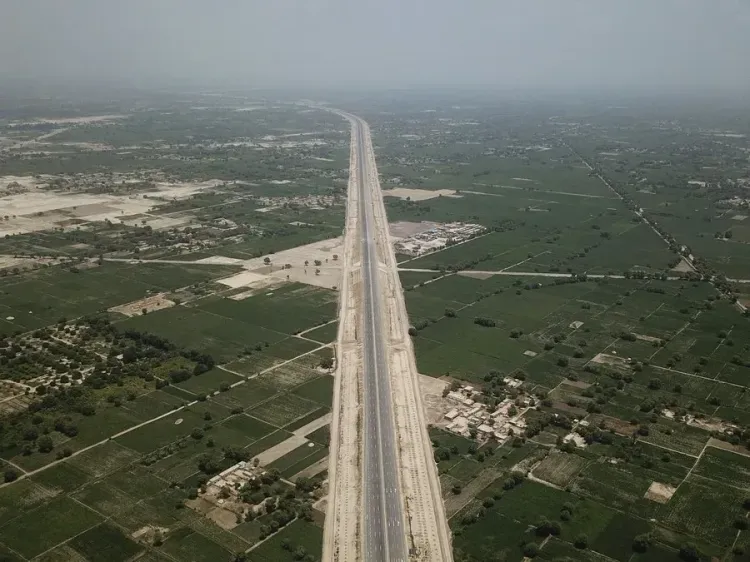
Beijing has poured an estimated USD 65 billion into the China–Pakistan Economic Corridor (CPEC) since 2015, channelling funds into infrastructure development, energy generation, and mineral extraction. Balochistan sits at the heart of this corridor — it is home to Gwadar Port, widely described as the crown jewel of CPEC, which encompasses a deep seaport, Pakistan's largest airport, special economic zones, and road networks. Once envisioned as Pakistan's answer to Dubai, Gwadar has, according to analysts, effectively become a no-go zone amid relentless insecurity.
Over 100 Attacks in Six Months
The Balochistan Liberation Army (BLA) conducted more than 100 attacks targeting foreign investment projects, police, military, and paramilitary personnel in Balochistan in the first six months of 2026 alone. Baloch rebel groups have long accused Pakistan of exploiting the province's natural resources without equitable benefit to local communities. In recent years, the BLA has broadened its targeting to include Chinese nationals and Chinese-linked projects, accusing Beijing of complicity in that exploitation.
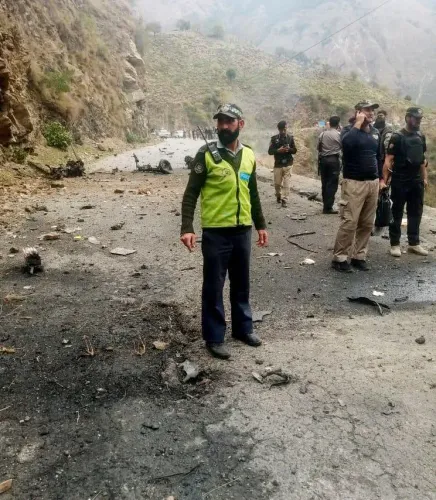
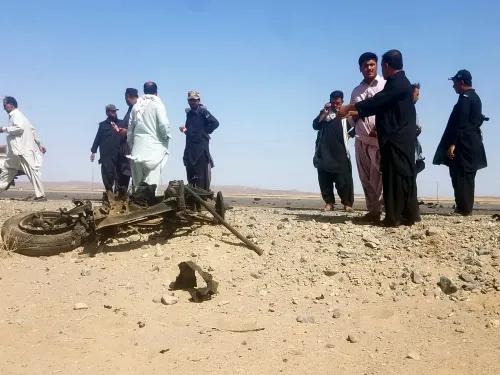
In one of the more recent escalations, Baloch armed fighters launched coordinated strikes on Pakistani forces across multiple districts, killing several personnel. Fighters also seized and torched more than 200 vehicles transporting minerals after opening fire on a convoy in the Nokchah area of Chagai district — incidents that followed the BLA's declaration of an 'economic blockade' and its subsequent assertion of control over major highways in the province.
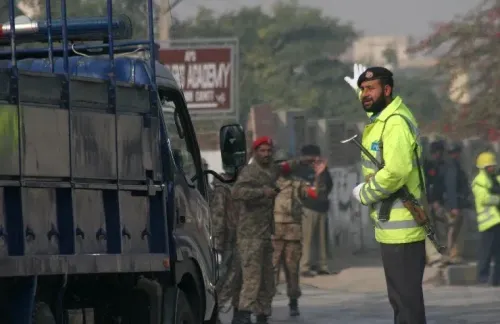
In a separate incident, a large Pakistani military convoy travelling to Noshki city was attacked on the N-40 highway near the Killi Batto area. The convoy included bulletproof vehicles and police escorts. Reports indicate Pakistani security personnel were killed in the strike, though an exact toll could not be independently confirmed. A police vehicle assigned to the Deputy Commissioner was struck; the official reportedly escaped unharmed.
Analyst Warning: CPEC Has Lost Momentum
Islamabad-based analyst Khalid Sultan put the situation bluntly. 'CPEC has lost much of its initial momentum,' he said, adding that attracting fresh foreign investment in Balochistan is increasingly challenging under the current security environment.
'If the current security environment persists, China is likely to adopt a more cautious approach by slowing the pace of new investments, reassessing existing projects, and demanding stronger security guarantees before committing additional resources,' Sultan was quoted as saying.
Balochistan's Persistent Underdevelopment
Despite being Pakistan's largest province by area and strategically positioned near the Strait of Hormuz via Gwadar Port, and sharing land borders with both Iran and Afghanistan, Balochistan remains Pakistan's most underdeveloped and impoverished province. Critics argue that this structural neglect has fuelled the very militancy now threatening the investments meant to transform the region. China has repeatedly raised concerns with Islamabad over the safety of its personnel and assets — concerns that, according to reports, have yet to produce a durable security solution.
With the BLA showing no signs of scaling back its campaign and Pakistan's security forces facing sustained pressure across multiple districts, the trajectory of CPEC's flagship projects — and Beijing's broader BRI ambitions in South Asia — will hinge on whether Islamabad can demonstrably reverse the security situation on the ground.
Point of View
The investor eventually reprices the risk. What mainstream coverage misses is that a Chinese slowdown would not just wound Pakistan's economy; it would validate the BLA's core strategic logic: that sustained disruption can deter capital. Islamabad faces a compounding trap — it needs Chinese investment to develop Balochistan, but cannot develop Balochistan without first resolving the insurgency that is driving the investment away.
NationPress
29 Jul 2026
Frequently Asked Questions
Why is China considering slowing investments in Pakistan?
China is reportedly weighing a slowdown in new CPEC investments due to the worsening security situation in Balochistan, where the BLA conducted over 100 attacks in the first half of 2026 alone. Beijing has repeatedly raised concerns about the safety of Chinese personnel and infrastructure projects with Islamabad, and analysts warn that without stronger security guarantees, fresh capital commitments are unlikely.
What is CPEC and how much has China invested?
The China–Pakistan Economic Corridor (CPEC) is a flagship component of China's Belt and Road Initiative (BRI), linking China's Xinjiang region to Pakistan's Gwadar Port on the Arabian Sea. Beijing has committed an estimated USD 65 billion to the corridor since 2015, covering infrastructure, energy, and mineral extraction projects.
What is the Balochistan Liberation Army doing?
The BLA is a Baloch separatist militant group that has conducted over 100 attacks in Balochistan in just the first six months of 2026, targeting Pakistani security forces, foreign investment projects, and Chinese-linked infrastructure. The group has declared an 'economic blockade,' seizing control of major highways and reportedly torching over 200 vehicles. The BLA accuses both Pakistan and China of exploiting Balochistan's natural resources.
What is the significance of Gwadar Port to CPEC?
Gwadar Port is considered the crown jewel of CPEC, incorporating a deep seaport, Pakistan's largest airport, special economic zones, and road networks. Its strategic value lies in its proximity to the Strait of Hormuz and land borders with Iran and Afghanistan. However, persistent insecurity has severely hampered its development, with analysts describing it as a de facto no-go zone.
Why has Balochistan remained underdeveloped despite large investments?
Balochistan is Pakistan's largest province by area but its most impoverished, a contradiction that critics and Baloch groups attribute to resource extraction without proportionate local benefit. Despite billions in announced CPEC investment, structural neglect and the ongoing insurgency have prevented meaningful economic transformation, fuelling the very cycle of militancy that now threatens further investment.