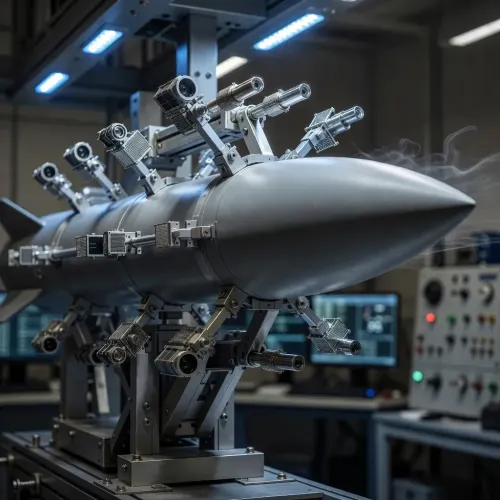
China's HQ-9B Missile System: A Global Embarrassment
Synopsis
China's HQ-9B missile system, once celebrated as a top-tier air defence, faces severe criticism after failing in multiple countries. This report highlights its ineffectiveness in real combat situations, leading to a loss of credibility for Beijing.
Key Takeaways
HQ-9B missile system has failed in multiple countries.
China's military technology is being questioned globally.
Investment in Chinese defense systems has led to regret for various nations.
The credibility of China's military has been significantly undermined.
The situation offers hope for Taiwan amidst rising tensions.
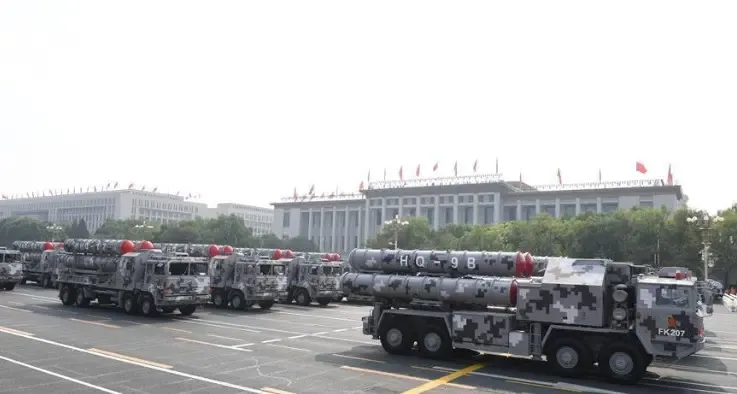
Washington, March 15 (NationPress) – China is facing global mockery as its HQ-9B missiles, previously hailed as a premier air defence solution, have encountered significant failures in Pakistan, Venezuela, and now Iran over the past year, as revealed in a recent report.
While China's HQ-9B missiles and JY-27A radars dazzled during military displays, they have proven to be ineffective in real combat situations, being described as "blind, deaf, and mute," according to the report.
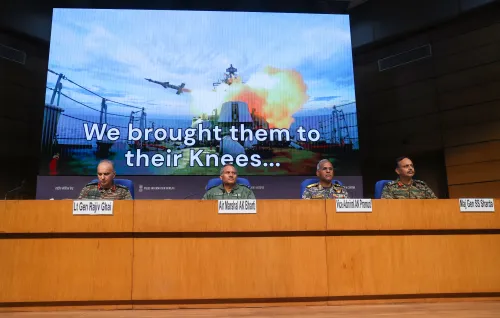
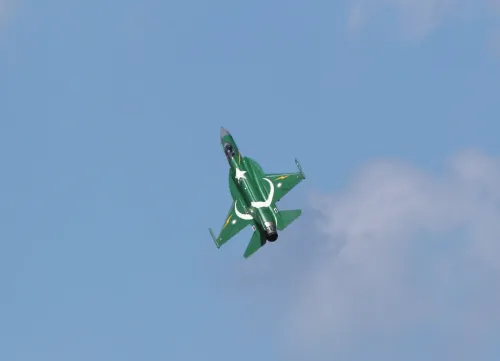
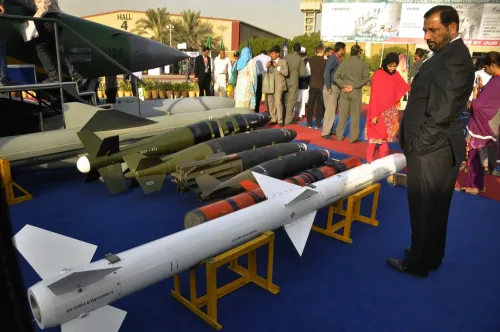
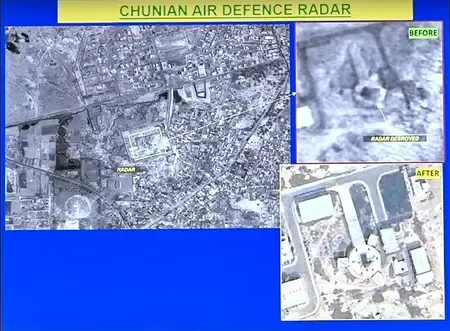
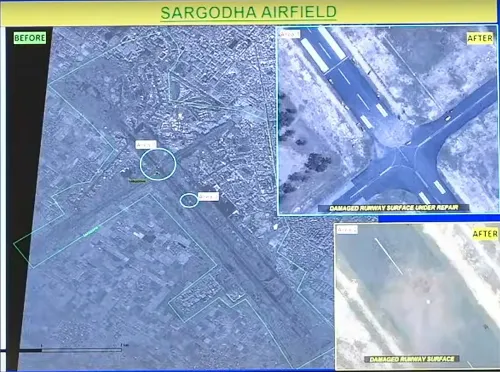
Known as the Red Flag 9, the HQ-9B is a budget imitation of the robust US Patriot missiles and the Russian S-300 systems. Although they are theoretically equipped with advanced radar systems for tracking and engaging multiple targets at once, practical application has shown a stark contrast. Since May of last year, serious doubts have surfaced regarding the HQ-9B's performance. In India's Operation Sindoor against Pakistan, these Chinese missiles were decisively outperformed for four consecutive days, failing to defend, destroy, or even track any incoming threats, as detailed by the American publication ‘The Hill’.
The report further states that China's JY-27 radar can supposedly detect and scan targets from 280 to 390 kilometers away, specializing in the early identification of fast, supersonic F-22 and F-35 fighter jets.
However, during real combat scenarios, particularly when President Maduro was captured in Venezuela, the Chinese radar systems became a source of national humiliation, as they failed to spot any of the 150 aircraft that breached Venezuelan airspace.
During the US-led Operation Epic Fury in Iran, which resulted in lethal strikes that killed Iranian Supreme Leader Ayatollah Ali Khamenei and approximately 49 senior military officials, the Iranian defence systems—including the Chinese HQ-9B missile system—failed to perform their duties.
“The Chinese military technology has fallen short. The US has showcased its technological prowess and exceptional military skills. While China's propaganda may be persuasive, its military technology has proven ineffective. Nations like Egypt, Azerbaijan, Pakistan, and Iran that invested billions in Chinese air defence systems are now filled with regret,” the report noted.
“The failures in Pakistan, Venezuela, and Iran also offer a glimmer of hope for Taiwan. China’s credibility has diminished, and its arms race seems less intimidating. Although Beijing remains a nuclear power, its combat technologies and radar systems have been shown to be unreliable, vulnerable, and inferior compared to US counterparts,” it concluded.
Point of View
It's essential to present an unbiased perspective on China's military technology. The reported failures of the HQ-9B missile system reflect broader issues within China's military capabilities and raise questions about the reliability of their defense systems, impacting nations that have invested heavily in them.
NationPress
3 Oct 2026
Frequently Asked Questions
What are the failures of China's HQ-9B missile system?
The HQ-9B missile system has failed to perform effectively in combat situations, particularly in Pakistan, Venezuela, and Iran, where it has been described as ineffective against incoming threats.
How does the HQ-9B compare to US and Russian missile systems?
The HQ-9B is seen as a low-cost imitation of the US Patriot and Russian S-300 systems, but it has struggled to deliver on its promised capabilities.
What implications do these failures have for China's military reputation?
The failures of the HQ-9B missile system have led to a significant loss of credibility for China, raising concerns among countries that have invested in its defense technologies.
What was the outcome of Operation Epic Fury in Iran?
Operation Epic Fury resulted in successful strikes against Iranian leadership, illustrating the inadequacy of the Iranian defense systems, including the Chinese HQ-9B.
How might these developments affect Taiwan?
The failures of China's military technology provide hope for Taiwan, as they indicate a potential weakening of China's military threat in the region.