China's possible Iran arms transfer: West Asia conflict reshapes global power
Synopsis
Intelligence reports suggest China may covertly supply advanced air defence systems to Iran through third countries — a move the US has warned will trigger immediate 50% tariffs on all Chinese exports. If confirmed, it would shatter the US-China trade truce and redraw the military balance across West Asia at one of the most volatile moments in recent geopolitical history.
Key Takeaways
Intelligence assessments reportedly indicate China may supply advanced air defence systems to Iran through third countries to conceal their origin.
The United States has warned of an immediate 50 per cent tariff on all Chinese exports if Beijing arms Tehran .
Any such transfer could 'fundamentally alter' US-China trade relations and reignite economic hostilities between the world's two largest economies.
The report stresses the need for transparency, accountability, and restraint to preserve the 'fragile' peace in the region.
Decisions made in the coming weeks are described as potentially shaping international relations 'for years ahead.'
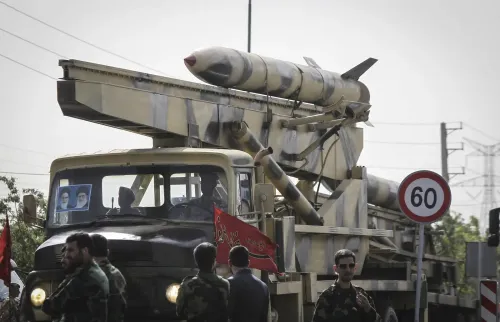
Intelligence assessments reportedly indicate that China may be preparing to supply advanced air defence systems to Iran, a move that analysts warn could fundamentally alter the balance of power across West Asia and trigger severe economic and diplomatic consequences globally. The development, detailed in a report by Hamrakura, comes as Iran attempts to rebuild its military capacity following weeks of conflict in the region.
What Intelligence Reports Suggest
According to the report, intelligence agencies have identified China as a potential weapons supplier to Tehran, with assessments suggesting that Beijing may route man-portable air defence systems through third countries to obscure their origin. 'Such covert operations, if confirmed, would represent a significant escalation, undermining the fragile truce and complicating diplomatic efforts to stabilise the region,' the report noted.
Notably, the report stops short of confirming any transfer has occurred — the operative word throughout is 'may', reflecting the speculative but serious nature of current intelligence assessments.
The US Warning and Economic Stakes
The United States has issued unequivocal warnings, stating that any nation supplying weapons to Iran will face immediate economic retaliation. Officials indicated that a 50 per cent tariff on all goods exported to the US would be imposed without exceptions. The report characterised this threat as 'not merely symbolic' but a powerful instrument of economic leverage designed to deter foreign intervention.
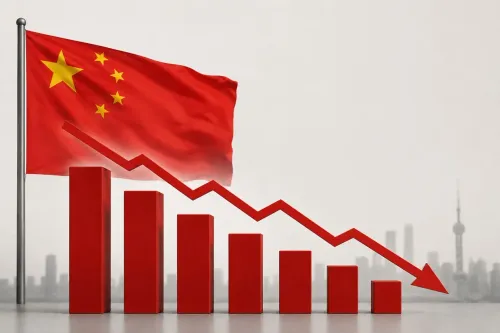
Trade representatives, according to the report, have emphasised that while US-China trade relations remain stable for now, any move by Beijing to arm Iran would 'fundamentally alter the dynamic.' The imposition of sweeping tariffs could shatter the current trade truce, reigniting economic hostilities between the world's two largest economies.
Wider Geopolitical Implications
The report situates the crisis within a broader contest over the future of global governance. 'The global stage in 2026 is witnessing a dramatic escalation of tensions, with the United States, its allies, and China positioned at the heart of a complex geopolitical confrontation,' it stated. At the centre of this confrontation lies Iran, described as 'a nation battered by weeks of conflict and now seeking to rebuild its military capacity.'
This comes amid an already fragile West Asia landscape, where multiple ceasefires have struggled to hold and diplomatic channels remain under severe strain. The prospect of Chinese-origin air defence systems reaching Tehran would, analysts argue, significantly complicate any future military calculus for both Israel and the US in the region.
The Path Ahead
The report underlines that decisions taken in the coming weeks will shape international relations for years. If China proceeds with any weapons transfer to Iran, repercussions could be 'immediate and severe,' encompassing economic retaliation and deep diplomatic strain. If restraint prevails, the report argues, there remains an opportunity to maintain stability and restore trust between major powers.
'The crisis is not merely about weapons or tariffs; it is about the future of global governance,' the report concluded, adding that the choices made by major powers will determine whether the international system moves toward cooperation or confrontation.
Point of View
And the Hamrakura report offers no named sources or corroborating evidence. That said, the underlying dynamic is real: China has strategic incentives to complicate US military reach in West Asia, while the US tariff threat is consistent with its broader economic-pressure doctrine. The more consequential subtext is the US-China trade truce, which was always transactional. If Beijing does move on Iran arms, the trade détente collapses not as collateral damage but as a deliberate trade-off — and that calculation, not the weapons transfer itself, is what global markets should be watching.
NationPress
21 Sept 2026
Frequently Asked Questions
What weapons is China reportedly considering supplying to Iran?
According to intelligence assessments cited in a Hamrakura report, China may be preparing to deliver advanced air defence systems to Tehran, potentially routed through third countries to conceal their origin. No transfer has been confirmed as of the report's publication.
What has the United States threatened if China arms Iran?
The US has warned of an immediate 50 per cent tariff on all goods exported to the United States from any nation that supplies weapons to Iran, with officials stating there would be no exceptions. Trade representatives have described this as a serious economic deterrent, not a symbolic gesture.
How could China arming Iran affect global trade?
A Chinese weapons transfer to Iran would risk shattering the current US-China trade truce, potentially reigniting sweeping economic hostilities between the world's two largest economies. Analysts warn the fallout could extend well beyond bilateral trade into global supply chains and financial markets.
What is the current situation in West Asia that makes this significant?
Iran has reportedly been 'battered by weeks of conflict' and is seeking to rebuild its military capacity, according to the Hamrakura report. The region is described as operating under a fragile truce, making any new weapons inflow a potential trigger for renewed escalation.
Why does this matter beyond the Middle East?
The report frames the crisis as a test of global governance, arguing that major power choices will determine whether the international system moves toward cooperation or confrontation. The intersection of military, trade, and diplomatic pressures makes this one of the most consequential geopolitical flashpoints of 2026.