Are Chinese Investments in Pakistan at Risk Due to Security Failures?
Synopsis
A new report unveils the precarious situation of Chinese investments in Pakistan due to rising security threats. With a history of militant attacks, Beijing's relationship with Islamabad is under strain. Can the partnership survive amidst escalating violence? Discover the implications for the region.
Key Takeaways
China's investment security in Pakistan is compromised.
Militant attacks have escalated, threatening Chinese nationals.
Beijing demands stronger security measures from Islamabad.
The partnership faces a significant test of resilience.
ISIS-K's expansion poses new challenges for Pakistan.
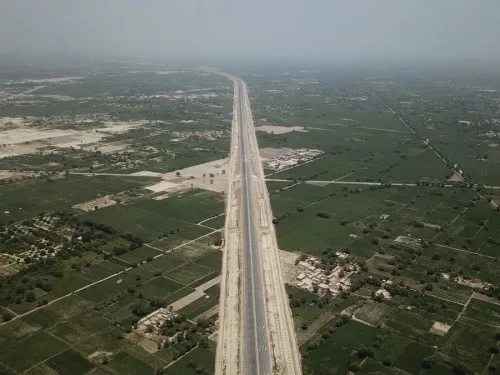
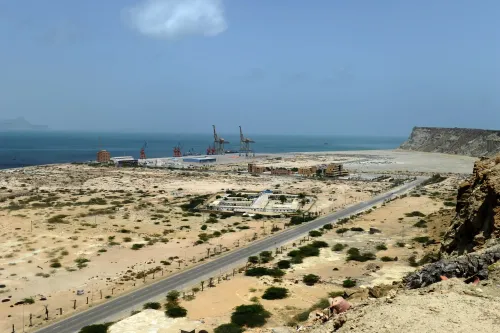
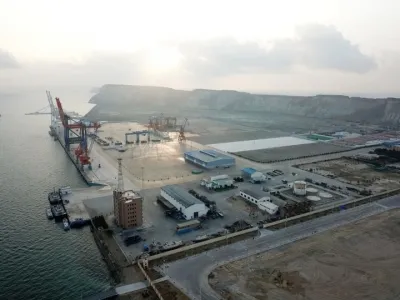
Beijing/Islamabad, Jan 27 (NationPress) The China Pakistan Economic Corridor (CPEC) and the narrative of "brotherhood" fail to guarantee the safety of Chinese investments in the area, especially as Pakistan remains a hotspot for jihadist and separatist groups.
If Beijing ignores historical warnings, it may confront dire repercussions—not through military engagement, but through loss of lives, stalled projects, and a tarnished global reputation, according to a report released on Tuesday.
Dimitra Staikou, a Greek lawyer, writer, and journalist, writing for 'EuropaWire', emphasized that China has shifted from providing general assurances of "stability" to demanding tangible security measures on the ground.
“The establishment of specialized units and joint training programs indicates a covert renegotiation of influence: although Pakistan remains an essential ally, it is now under stricter performance expectations. When a strategic partner must overhaul its internal security to satisfy another, cooperation transitions from ideological alignment to a test of resilience,” Staikou pointed out.
She noted that a wave of militant assaults in Pakistan from 2024 to 2025 has drastically compromised the safety of Chinese nationals and collaborative ventures.
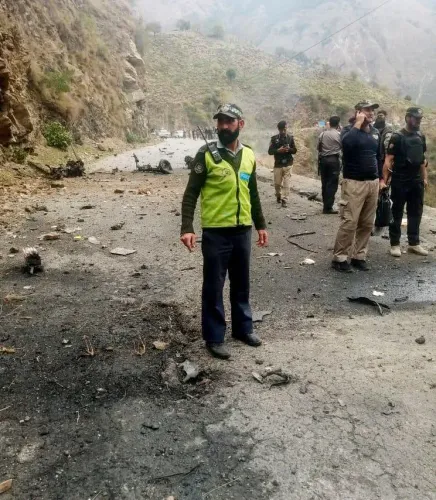
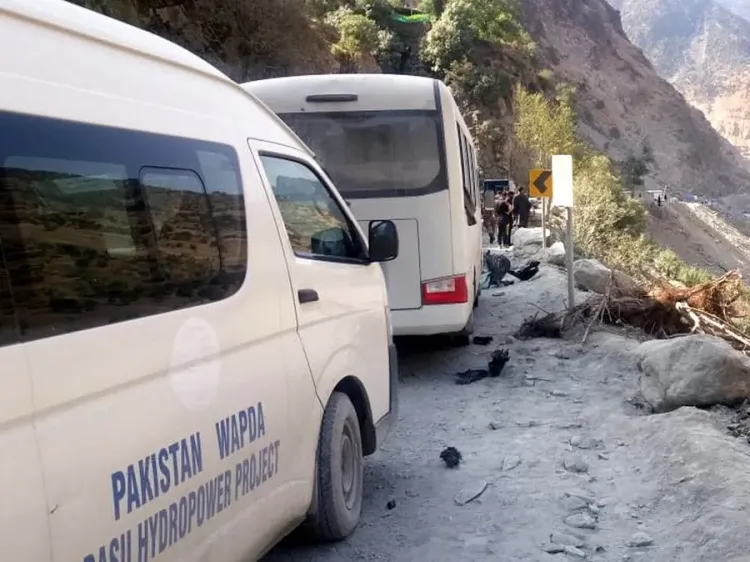
“In March 2024, a suicide attack in Shangla resulted in the deaths of five Chinese engineers and their Pakistani driver while heading to the Dasu hydropower initiative, one of the flagship projects of CPEC. In October 2024, an assault near Karachi's international airport took the lives of two Chinese workers, while earlier operations by the Baloch Liberation Army had already targeted Chinese interests in Balochistan. Continuous strikes from jihadist and separatist factions have escalated tensions, prompting Beijing to publicly request more stringent and effective security protocols,” Staikou elaborated.
“Consequently, although official cooperation remains strong, the realities on the ground increasingly challenge Pakistan's ability to ensure the safety of Chinese initiatives and personnel, directly impacting the credibility of the partnership itself,” she added.
The report indicated that the presence and operational strength of the ISIS-K terrorist group in Pakistan throughout 2025 demonstrated that the threat had exceeded state management capabilities.
Despite Islamabad's official commitments to "counterterrorism control", ISIS-K expanded its reach both geographically and operationally, with attacks, recruitment, and networking spreading beyond remote borders to urban areas and critical infrastructures.
According to the report, assaults on Chinese nationals in South Asia are no longer isolated events but part of a broader terrorist strategy that transcends organizations and regions, with Pakistan at the center of this perilous intersection.
Point of View
It is crucial to highlight that while the relationship between China and Pakistan has been historically strong, current security challenges pose significant risks. The expectations from both nations must be aligned with the reality on the ground to ensure the safety of investments and personnel involved.
NationPress
26 Sept 2026
Frequently Asked Questions
What is the China Pakistan Economic Corridor?
The China Pakistan Economic Corridor (CPEC) is a collection of infrastructure projects aimed at enhancing connectivity between China and Pakistan, promoting economic growth and development in the region.
Why are Chinese investments in Pakistan at risk?
Chinese investments are jeopardized due to the rising frequency of militant attacks and the presence of jihadist groups in Pakistan, which challenge the security assurances provided by the Pakistani government.
What has been the impact of recent attacks on Chinese nationals?
Recent attacks have led to fatalities among Chinese workers, raising concerns about their safety and the viability of ongoing projects, prompting Beijing to call for stricter security measures.
How is the Pakistani government responding to these threats?
The Pakistani government has pledged to enhance counterterrorism efforts, but reports indicate that groups like ISIS-K are expanding their operations, complicating security measures.
What does this mean for the future of CPEC?
The future of CPEC may be at risk unless Pakistan can effectively manage and mitigate the security threats that jeopardize Chinese investments.