Chinese vloggers filming Bangladesh slums raise privacy, security concerns
Synopsis
Chinese nationals have been entering homes in Dhaka's Techpara without permission, filming slum residents — including women — and packaging the footage around poverty tropes for online audiences. With no authority apparently tracking who they are or where the content goes, the story raises pointed questions about consent, exploitation, and Bangladesh's regulatory blind spots.
Key Takeaways
Chinese nationals have been filming inside homes and slum areas in Techpara, Uttara, Dhaka without residents' consent, according to a report by The Business Standard Bangladesh.
Resident Raju Ahmed said the vloggers have been active in the area for approximately one year , with their presence causing local tension.
Local girls are allegedly paid between Tk 500 and Tk 1,000 to appear in videos, many of which are streamed live, according to resident Monowar Begum .
Video titles reportedly use words like 'poor', 'dirty', or 'slum', framing the vlogger as a benefactor — a pattern critics say exploits vulnerable communities.
Some Chinese nationals in Bangladesh have separately been linked to cyber fraud, trafficking, gold smuggling , and illegal telecommunications , according to the report.
Neither local police nor residents reportedly know who the vloggers work for or where the footage is published.
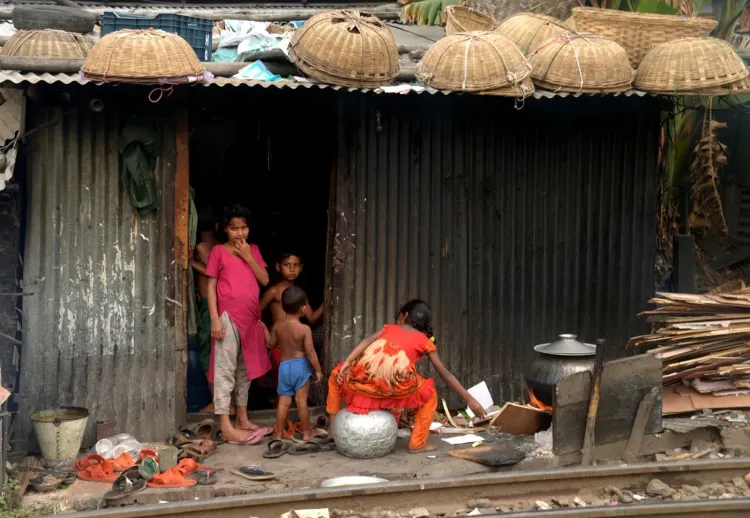
A group of Chinese nationals has been repeatedly filmed inside homes, narrow lanes, and slum areas in Techpara, a neighbourhood in Uttara, Dhaka, sparking serious concerns about privacy violations and the absence of any regulatory oversight, according to a report by The Business Standard Bangladesh. Local residents say neither they nor the police know who these individuals work for or where the footage ends up.
What Residents Witnessed
Mohammad Badal, a local resident of Techpara, said the Chinese nationals entered homes and recorded videos of everyday life, including during a neighbourhood altercation. He noted they returned on at least one occasion accompanied by police. According to Badal, the group is particularly drawn to slums and the homes of lower-income residents.
Raju Ahmed, who has lived in the area for nearly 15 years, said he has been observing the vloggers for approximately a year. 'I have been seeing them for around a year now. At one point, there was even tension in the area because of them. Local residents complained that they were entering houses without permission. Tenants of one house complained that they came into the kitchen area and even near the bathing space with their cameras,' he told The Business Standard.
Ahmed also alleged that women's privacy is routinely compromised. 'If a house's gate is open, they walk straight in. Many times, they show no respect for women's privacy whatsoever,' he said. He further claimed that one of the individuals boasted of having money and connections in the country, saying, 'He said he can do whatever he wants.'
Payments to Local Girls, Live Streams
A long-time Techpara resident, Monowar Begum, alleged that the Chinese nationals pay local girls between Tk 500 and Tk 1,000 to accompany them and appear in videos, with many sessions streamed live. The arrangement, she said, has become a recurring pattern in the area.
A Formula Built Around Poverty Framing
The report observed a distinct content pattern among Chinese vloggers active in Bangladesh: video titles almost invariably include words such as 'poor', 'dirty', or 'slum', with the footage overwhelmingly focused on the poverty of local residents. The vlogger is typically framed as a generous benefactor arriving to help those in need — a format that critics argue exploits vulnerable communities for online engagement. The Chinese nationals have reportedly mentioned working for a boss, though no organisation has been identified.
Broader Security Context
The filming controversy emerges against a wider backdrop of concern about the activities of some Chinese nationals in Bangladesh. According to the report, certain individuals have been linked to serious criminal operations including cyber fraud, illegal online gambling, human trafficking, gold smuggling, counterfeit electronics, and illegal telecommunications. Authorities have so far not publicly identified or acted against the vloggers in Techpara, and local police reportedly remain unaware of who the individuals are or where their content is being published.
The incidents highlight a regulatory gap: as foreign nationals operate cameras inside private residences in Bangladesh with apparent impunity, questions about accountability, content monetisation, and the exploitation of poverty for digital audiences remain unanswered.
Point of View
No platform has been named, and no legal framework appears to have been invoked. Bangladesh's interim administration faces a dual accountability test here — protecting residents' dignity and privacy on one hand, and scrutinising the broader footprint of Chinese nationals whose activities, in some cases, shade into organised crime. The two issues should not be conflated, but they cannot be entirely separated either.
NationPress
25 Sept 2026
Frequently Asked Questions
What are Chinese vloggers doing in Techpara, Dhaka?
A group of Chinese nationals has been filming inside homes, slum lanes, and private spaces in Techpara, Uttara, Dhaka, reportedly without residents' permission. Local accounts suggest the footage is packaged around poverty themes and published online, though no platform or employer has been publicly identified.
Are women's privacy rights being violated?
Residents allege yes. Long-time local resident Raju Ahmed stated that the vloggers enter homes through open gates and have filmed women in kitchen and bathing areas without consent. He told The Business Standard that 'many times, they show no respect for women's privacy whatsoever.'
Who are these Chinese vloggers working for?
That remains unclear. According to the report, the individuals have mentioned working for a boss, but neither local police nor residents have been able to identify the organisation or platform they represent.
What is the content formula these vloggers reportedly follow?
The report found that their video titles almost invariably feature words such as 'poor', 'dirty', or 'slum', with footage focused on poverty and the vlogger portrayed as a generous benefactor. Critics argue this framing exploits vulnerable communities for digital engagement.
Are Chinese nationals in Bangladesh linked to other crimes?
The report notes that some Chinese nationals operating in Bangladesh have been connected to cyber fraud, illegal online gambling, human trafficking, gold smuggling, counterfeit electronics, and illegal telecommunications — though these are distinct from the vlogging activities described in Techpara.