Chinese vloggers film Dhaka slums, falsely label them as New Delhi
Synopsis
More than 150 Chinese nationals have been filming Dhaka's low-income neighbourhoods and presenting them as New Delhi — complete with derogatory remarks about Indian hygiene, poverty, and lifestyles. With the pattern reportedly dating to May 2026 and involving organised, round-the-clock streaming, observers are calling it a coordinated disinformation campaign targeting India's international image.
Key Takeaways
Over 150 Chinese nationals have reportedly been filming in Dhaka's Tekpara and Uttara areas, falsely labelling them as New Delhi for online audiences.
A Chinese streamer identified as 'Mianmian' from Sichuan province livestreamed from Uttara Sector 12 on 1 November , calling the area New Delhi and describing it as 'dirty and underdeveloped.' A separate streamer in Tekpara falsely claimed locals were drinking 'cow urine tea,' according to Bangladeshi daily Prothom Alo .
The pattern of misrepresentation has reportedly been under way since May 2026 , with streamers active from early morning until late at night.
Observers have flagged the scale and repetition as signs of a coordinated anti-India disinformation campaign rather than isolated individual content creation.
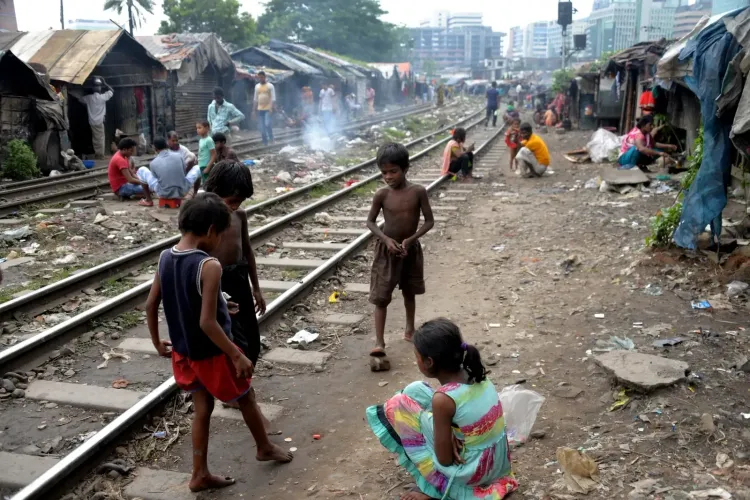
More than 150 Chinese nationals have reportedly been filming and livestreaming from economically disadvantaged neighbourhoods in Dhaka, Bangladesh's capital, while falsely presenting the locations to their online audiences as parts of New Delhi, India, according to multiple reports. The misleading content, which also includes disparaging remarks about Indian living standards and hygiene, has raised serious concerns about a coordinated effort to distort India's image internationally.
What Was Filmed and Where
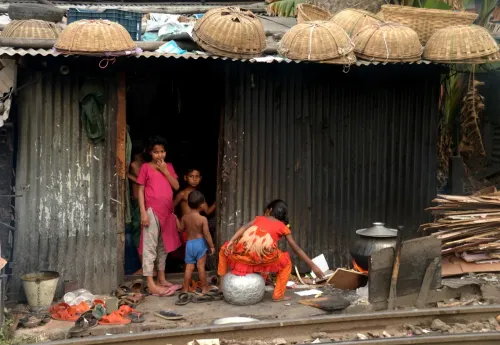
The activities have reportedly been under way for several months across Dhaka's Tekpara and Uttara localities, with streamers broadcasting from early morning until late at night. One Chinese content creator, identified only as 'Mianmian' and reportedly from China's Sichuan province, livestreamed on 1 November from beside a canal in Uttara Sector 12 of Dhaka, introducing the area to her viewers as New Delhi.
Bangladeshi daily Prothom Alo quoted her as saying: 'This is New Delhi. Their homes are extremely dirty. There isn't even a fan inside the tin-roofed houses. This place is quite underdeveloped, dirty and unhygienic, and the law-and-order situation is poor.'
Offensive Remarks at Tea Stalls
In a separate incident, another Chinese national was filmed livestreaming from tea stalls in Tekpara, making offensive claims about the beverages served there. Prothom Alo quoted the individual as saying: 'Look, they are drinking tea. Do you know what kind of tea this is? This is cow urine tea. They drink cow urine tea.'
The footage also reportedly contained repeated derogatory references to residents' lifestyles, sanitation conditions, and overall living standards. The content targets communities in Bangladesh while attributing those conditions to India — a deliberate geographical sleight of hand, according to observers.
A Pattern Since May 2026
These are not isolated incidents. Reports of Chinese content creators filming in Dhaka's low-income neighbourhoods and misrepresenting them as Indian locations began surfacing as far back as May 2026. The recurring pattern — the same localities, the same misrepresentation, the same disparaging commentary — has led analysts to characterise it as a coordinated, sustained campaign rather than spontaneous content creation.
Notably, the scale of participation, with over 150 individuals reportedly involved, suggests organisation beyond individual vloggers acting independently.
Concerns Over Disinformation and India's Image
The misleading portrayal has sparked concern among observers over the deliberate distortion of geographical locations to shape negative international perceptions of India. Critics argue the central issue is not merely the filming of impoverished areas, but the calculated misrepresentation of a third country's locations as Indian territory, coupled with remarks designed to influence how global audiences view Indian society.
The incidents also underscore a broader challenge: on social media platforms, sensationalised and factually inaccurate content can accumulate millions of views before fact-checks or corrections circulate widely enough to counter the original narrative.
What Happens Next
It remains unclear whether Bangladeshi or Indian authorities have formally raised the issue with their Chinese counterparts. Observers are watching whether platform moderation mechanisms respond to the volume of flagged content, and whether bilateral diplomatic channels are engaged to address what India-watchers are describing as a systematic disinformation operation targeting the country's international reputation.
Point of View
Months of activity, specific neighbourhoods targeted repeatedly — makes the 'individual vloggers seeking clicks' explanation difficult to sustain. What is being described is systematic geographical fraud: film poverty in one country, label it as another, and let the algorithm do the rest. India-Bangladesh ties are already navigating a complex post-Sheikh Hasina transition, and a sustained Chinese disinformation operation playing into that environment deserves far more diplomatic attention than it has so far received. The silence from both New Delhi and Dhaka on formal responses is itself a data point worth scrutinising.
NationPress
10 Nov 2026
Frequently Asked Questions
What are Chinese vloggers doing in Dhaka to misrepresent India?
Over 150 Chinese nationals have reportedly been filming in economically disadvantaged neighbourhoods in Dhaka — specifically Tekpara and Uttara — and presenting the footage to online audiences as New Delhi, India. They accompany the videos with derogatory comments about Indian hygiene, poverty, and living conditions.
Who is 'Mianmian' and what did she say?
'Mianmian' is a Chinese content creator reportedly from Sichuan province who livestreamed from Uttara Sector 12 in Dhaka on 1 November, introducing the area as New Delhi. She described the residential buildings as 'extremely dirty,' 'underdeveloped,' and 'unhygienic,' according to Bangladeshi daily Prothom Alo.
How long has this been going on?
Reports of Chinese content creators filming in Dhaka's low-income neighbourhoods and misrepresenting them as Indian locations began emerging as far back as May 2026. The activity has reportedly continued on a near-daily basis, with streamers broadcasting from early morning until late at night.
Why is this considered a disinformation campaign and not just individual vloggers?
Observers cite the number of participants (over 150), the sustained duration (since May 2026), the repeated use of the same localities, and the consistent messaging as evidence of coordination rather than independent content creation. The pattern of misrepresenting a third country's geography as India's, alongside targeted disparaging remarks, points to a deliberate effort to shape international perceptions of India negatively.
What action has been taken against these vloggers?
It is not yet clear whether Bangladeshi or Indian authorities have formally raised the matter with Chinese counterparts. No official government response has been reported as of the latest available information, and it remains to be seen whether diplomatic channels or social media platforms take action against the content.