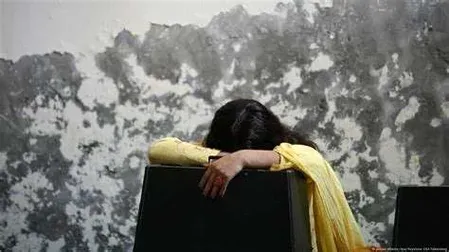
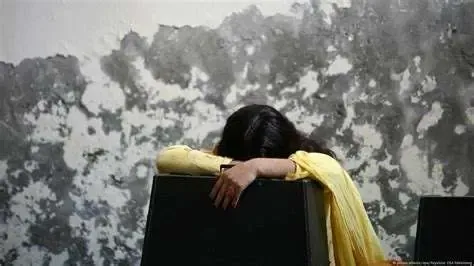
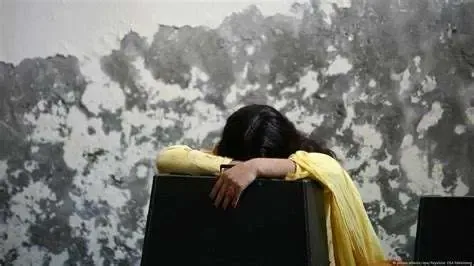
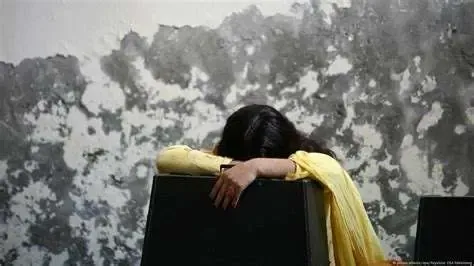
Pakistan: Christian girl, 14, abducted, converted and married to 41-year-old in Lahore
Synopsis
A 14-year-old Christian girl with epilepsy was allegedly kidnapped in Lahore, handed fabricated conversion and marriage documents, and married to a 41-year-old man with a history of multiple marriages. A habeas corpus petition is pending. It is the second such reported case involving a minor Christian girl in Pakistan's Punjab within weeks — and both trails lead to Rahim Yar Khan.
Key Takeaways
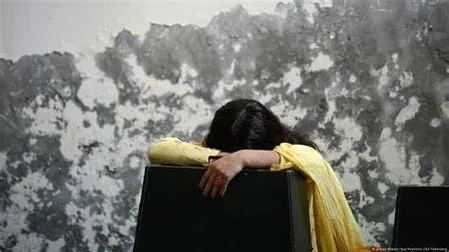
Nisha Bibi , a 14-year-old Christian girl with epilepsy, allegedly disappeared from her workplace in Lahore on 12 May .
CCTV footage identified the suspect as Arshad Habib , 41 , allegedly already married with children from multiple previous marriages.
Police presented the family with documents claiming Nisha converted to Islam on 15 February and married Habib three days later — documents the family's lawyer says are fabricated.
A habeas corpus petition has been filed in Rahim Yar Khan district , where Habib was reportedly located with Nisha and two children taken from a previous wife.
A separate case in April involved 15-year-old Sidra Bibi from Jaranwala , also allegedly abducted, converted, and married — with police reportedly refusing to act on recovery.
A 14-year-old Christian girl with epilepsy and mental health challenges was allegedly kidnapped from Lahore, Pakistan, forcibly converted to Islam, and married to a 41-year-old married Muslim man who reportedly exploited her medical condition, according to a report by Christian Daily International-Morning Star News. The incident, which came to light on 21 May, has drawn fresh attention to a pattern of forced conversions targeting vulnerable minority girls in Pakistan.
How the Abduction Unfolded
Abbas Masih, a daily wage labourer and member of a local Brethren church in Lahore's Gulbahar Colony, said his daughter Nisha Bibi — who worked as a domestic helper at a Muslim household — did not return home from work on 12 May. When the family visited her employer's residence, they were told she had already left.
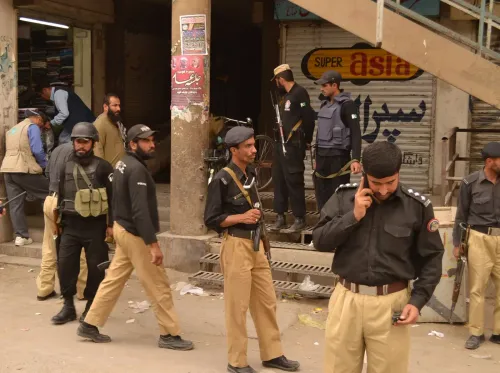
Masih contacted the police after being unable to locate her. Officers lodged a First Information Report (FIR) for abduction after CCTV footage from the employer's home showed Nisha leaving with an unidentified middle-aged man. The family shared a screenshot from the footage with area residents to identify the man.
'A woman employed in a house opposite my daughter's workplace immediately recognised the man as her 41-year-old husband, Arshad Habib,' Masih said. The woman reportedly told the family that Habib had disappeared the same day along with their two minor children without informing her.
Fabricated Documents and Health Exploitation
Masih said Nisha's epilepsy and mental health challenges made her an easy target. He further noted that the accused had allegedly been married three times previously and had children from those marriages.
Police subsequently presented the family with documents claiming Nisha had converted to Islam on 15 February and married Habib three days later. 'We were shocked to see an alleged conversion certificate and marriage documents presented as proof that my daughter willingly converted and married the accused,' Masih said, adding that the documents appeared to have been fabricated to shield Habib from criminal prosecution.
The family's lawyer, Zunara Patrick, said Habib had allegedly maintained several marriages simultaneously. The legal team located Habib in Rahim Yar Khan district of Pakistan's Punjab province, where he was allegedly staying with Nisha and two children reportedly taken from his third wife.
Patrick filed a habeas corpus petition on behalf of Habib's third wife seeking recovery of her children and nominated Habib as the principal suspect in Nisha's kidnapping. A statement purportedly submitted before a magistrate in Lahore on 2 March claims Nisha is 18 years old, converted voluntarily, and married Habib of her own free will — claims Patrick has categorically rejected, accusing Habib of using religion to evade accountability.
A Recurring Pattern in Pakistan
This case is not isolated. In April, a separate report revealed that police in Pakistan had refused to recover a 15-year-old Christian girl, Sidra Bibi, from Jaranwala city in Punjab, who was allegedly abducted at gunpoint from her home on 27 March by a Muslim man named Ali Murtaza and two accomplices, who entered the house by climbing a wall.
Her father, Afzal Javed Masih, said police inaccurately recorded Sidra's age as 17 instead of 15 as stated on her official birth certificate. 'I am illiterate and only learned of this discrepancy later, when a rights activist pointed it out,' he said. Police initially arrested relatives of the suspect but released them after documents surfaced claiming Sidra had converted to Islam and willingly married Murtaza Ali in Rahim Yar Khan district.
Broader Context and What Comes Next
Rights groups have long documented the use of allegedly fabricated conversion and marriage documents in Pakistan to obstruct justice in cases involving minority girls. The repeated appearance of Rahim Yar Khan district as a location in both cases has drawn scrutiny from legal advocates.
The habeas corpus petition filed by Patrick is currently pending, and the outcome of the FIR against Habib will be closely watched by minority rights organisations. Both cases underscore persistent concerns about the protection of Christian and other minority communities under Pakistan's legal framework.
Point of View
Conversion and marriage documents surface with disputed ages and dates, and the legal process stalls — often in the same district, Rahim Yar Khan. The recurrence of this geography is not incidental; rights advocates have flagged it as a hub for document fabrication networks. Pakistan's courts have periodically ruled against forced conversions, yet enforcement remains the persistent gap. Until the state treats fabricated conversion paperwork as a criminal act in itself, the documents will continue to function as a get-out-of-jail instrument for perpetrators.
NationPress
25 Sept 2026
Frequently Asked Questions
What happened to Nisha Bibi in Lahore?
Nisha Bibi, a 14-year-old Christian girl with epilepsy, allegedly disappeared from her domestic workplace in Lahore on 12 May. Her family says she was abducted by Arshad Habib, 41, who reportedly used fabricated documents to claim she had voluntarily converted to Islam and married him.
Who is Arshad Habib and what are the allegations against him?
Arshad Habib is a 41-year-old Muslim man identified through CCTV footage as the person who left the employer's premises with Nisha. He is alleged to have been married three times previously and to have fabricated conversion and marriage documents. He was reportedly located in Rahim Yar Khan district with Nisha and two children taken from a previous wife.
What legal action has been taken in the case?
Police registered an FIR for abduction after CCTV evidence confirmed Nisha left with an unidentified man. The family's lawyer, Zunara Patrick, has filed a habeas corpus petition and nominated Habib as the principal suspect. Patrick has rejected as fabricated a magistrate statement claiming Nisha is 18 and converted voluntarily.
Is this an isolated incident or part of a broader pattern?
It is part of a documented pattern. In April 2025, a separate case emerged involving 15-year-old Sidra Bibi from Jaranwala, Punjab, who was allegedly abducted at gunpoint, converted, and married — with police reportedly failing to act on her recovery. Rights groups have long flagged systemic use of fabricated conversion documents to shield perpetrators in Pakistan.
What happens next in Nisha Bibi's case?
The habeas corpus petition filed by lawyer Zunara Patrick is pending before the courts. The outcome of the FIR against Habib will be closely monitored by minority rights organisations. The case has drawn renewed attention to calls for stricter enforcement against forced conversions of minors in Pakistan.