Pakistan minorities face violence, blasphemy cases, forced conversions in 2025
Synopsis
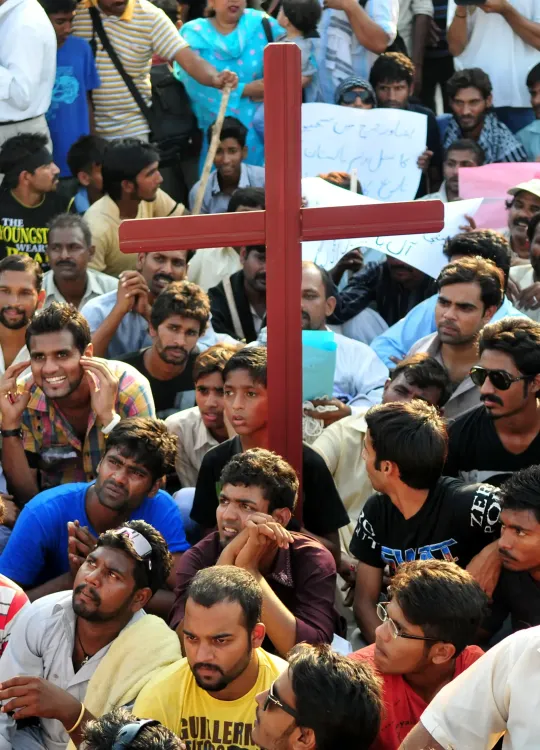
Pakistan's NCJP documented 8 blasphemy cases against Christians and 35 incidents targeting minority women and girls in 2025 alone — and two years after the Jaranwala mob attacks that damaged 25 churches and 85 homes, no perpetrators have been convicted. The VOPM's warning is blunt: Pakistan is treating minority rights as a political choice, not a constitutional duty.
Key Takeaways
The NCJP's 2026 human rights report recorded 8 Christians accused of blasphemy in 2025 and 35 incidents affecting minority women, girls, and families.
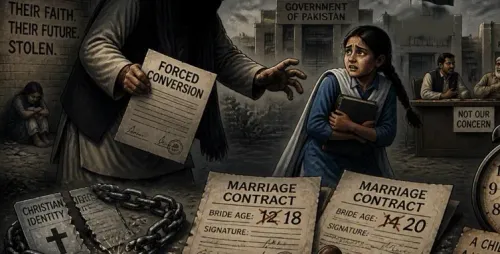
15-year-old Hindu girl Premi Bheel was reportedly abducted, forcibly converted, and married in December ; local police allegedly refused to register a complaint.
Kashif Masih , a Christian labourer from Sialkot , was allegedly tortured to death; police initially failed to register it as murder.
Afzal Masih was shot dead in September while travelling with Christian pilgrims.
More than two years after the 2023 Jaranwala attacks — which damaged over 25 churches and 85 homes — no perpetrators have been convicted.
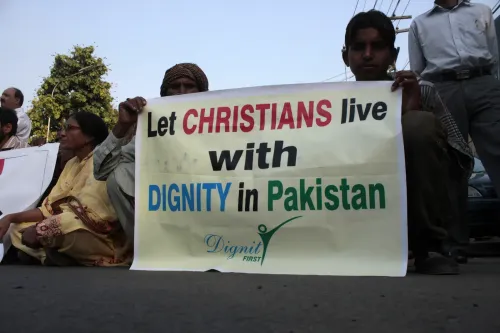
The VOPM is calling on Pakistan to enforce equal citizenship, protect places of worship, and prosecute attackers as a constitutional duty.
Pakistan's religious minorities endured widespread violence, discrimination, and persecution throughout 2025, with blasphemy accusations, abductions, forced conversions, and forced marriages continuing to threaten vulnerable communities, the Voice of Pakistan Minority (VOPM) said, citing the 2026 human rights report of the National Commission for Justice and Peace (NCJP).
Key Findings of the NCJP Report
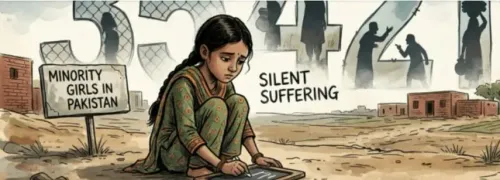
The NCJP — a human rights body of the Pakistan Catholic Bishops' Conference — recorded eight Christians accused of blasphemy during 2025 and documented 35 incidents affecting minority women, girls, and families. The VOPM described the findings as evidence of systemic failure, stating that 'these are not isolated incidents but reflect a system in which vulnerable citizens are often denied equal protection under the law.'
Individual Cases of Persecution
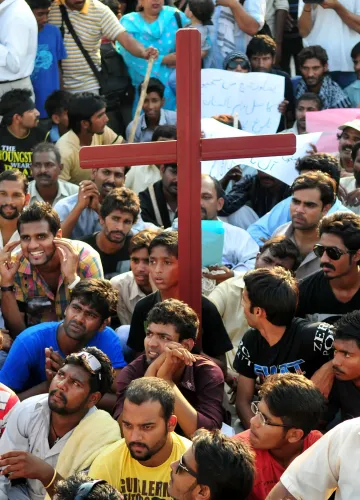
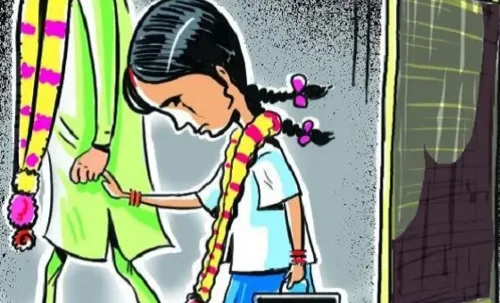
Among the documented cases, a 15-year-old Hindu girl, Premi Bheel, was reportedly abducted, forcibly converted, and married in December. Local police allegedly refused to register her complaint, according to the report. In a separate incident, Kashif Masih, a Christian labourer from Sialkot, was allegedly tortured to death after being accused of stealing a mobile phone. Police reportedly initially failed to register the case as murder, triggering protests from the Christian community. Additionally, Afzal Masih was shot dead in September while travelling with Christian pilgrims, reportedly after confronting men who had harassed female passengers.
Jaranwala Attacks: Accountability Still Absent
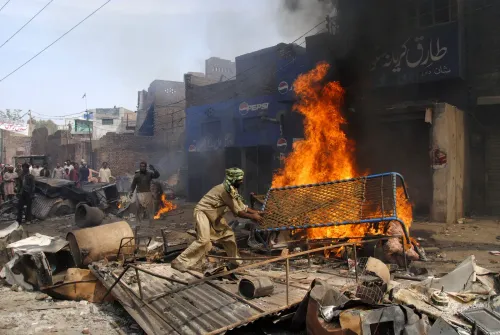
The report also revisited the 2023 attacks in Jaranwala, a city in Punjab province, where more than 25 churches and 85 Christian homes were damaged. More than two years on, the perpetrators have still not been convicted, according to the NCJP findings — a stark indicator of how accountability for anti-minority violence remains, in the VOPM's words, 'painfully weak.'
VOPM's Demands and NCJP's Warning
The VOPM emphasised that legislative measures alone are insufficient, calling on Pakistan to 'enforce equal citizenship, protect places of worship, prosecute attackers and defend minority women and children.' It quoted the NCJP's warning directly: 'minorities will remain invisible unless the state treats their rights as a constitutional duty, not a matter of political choice.' Critics argue that the gap between constitutional protections on paper and their enforcement on the ground remains the central challenge for minority communities in Pakistan.
Broader Pattern of Minority Persecution
Rights organisations have long flagged Pakistan's blasphemy laws as disproportionately weaponised against minorities, particularly Christians and Hindus. The 2025 data compiled by the NCJP adds to a documented pattern of escalating incidents in recent years, raising fresh concern among international human rights bodies. Pakistan has not yet issued an official response to the NCJP's 2026 report.
Point of View
But because it confirms a pattern that Pakistan's government has consistently failed to break. The Jaranwala convictions gap — two years on, no perpetrators jailed — is the most telling number in the report: it signals that political will to prosecute attackers is absent. Blasphemy laws remain structurally available for abuse, and the state's repeated failure to register minority complaints before community pressure forces its hand reflects institutional bias, not administrative error. India and the international community will watch how Islamabad responds — if at all — to what is now a documented, multi-year accountability crisis.
NationPress
10 Oct 2026
Frequently Asked Questions
What does the NCJP's 2026 human rights report say about Pakistan's minorities?
The National Commission for Justice and Peace documented 8 Christians accused of blasphemy and 35 incidents affecting minority women, girls, and families during 2025. The report, cited by the Voice of Pakistan Minority, describes systemic denial of equal protection under the law for vulnerable communities.
Who is Premi Bheel and what happened to her?
Premi Bheel is a 15-year-old Hindu girl who was reportedly abducted, forcibly converted, and married in December 2025. Local police allegedly refused to register her complaint, according to the NCJP report.
What happened in the 2023 Jaranwala attacks, and has anyone been convicted?
The 2023 Jaranwala attacks in Punjab province saw more than 25 churches and 85 Christian homes damaged by mobs. As of the NCJP's 2026 report — more than two years later — no perpetrators have been convicted, the Voice of Pakistan Minority said.
What is the VOPM demanding from the Pakistan government?
The Voice of Pakistan Minority is demanding that Pakistan enforce equal citizenship, protect places of worship, prosecute those who attack minorities, and defend minority women and children. It argues that legislation alone is insufficient without enforcement of constitutional protections.
How widespread is the use of blasphemy laws against minorities in Pakistan?
Rights organisations have long flagged Pakistan's blasphemy laws as disproportionately used against Christians and Hindus. The NCJP recorded 8 blasphemy accusations against Christians in 2025 alone, adding to a multi-year documented pattern of such cases being used against minority communities.