Merz rules out Russia diesel deal for Germany, Europe amid new EU sanctions
Synopsis
While Trump announced a US-Russia diesel fuel deal and an 'energy ceasefire,' Germany's Merz called it flatly 'out of the question' for Europe — and the EU simultaneously unveiled its largest-ever single batch of Russia sanctions, targeting over 1,600 entities linked to ballistic missile production. The transatlantic rift on Russia policy is now fully in the open.
Key Takeaways
German Chancellor Friedrich Merz on 12 October 2026 declared the US-Russia diesel deal 'out of the question' for Germany and Europe.
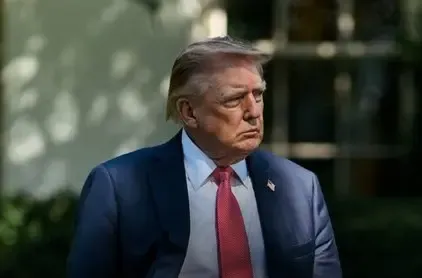
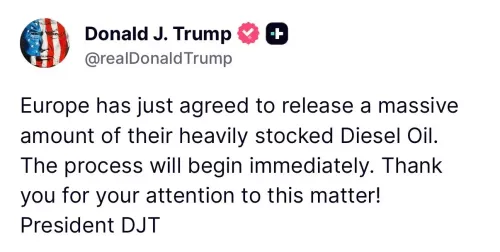
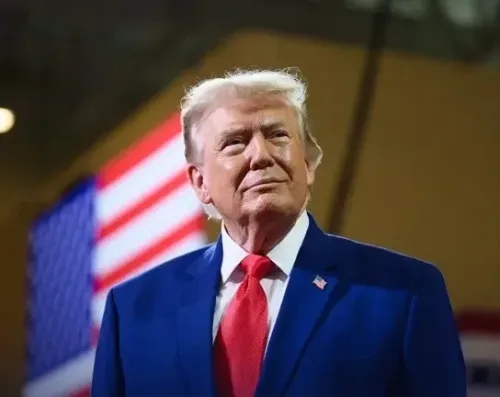
US President Donald Trump announced the deal after a call with Russian President Vladimir Putin on Friday , with Russia partially lifting diesel export restrictions on Saturday .
The EU adopted nearly 1,600 new sanctions listings against Russia — the largest single expansion since the conflict began.
More than half of the new listings target Russia's ballistic missile production chain, according to EU foreign policy chief Kaja Kallas .
Merz confirmed EU leaders will pursue a 'just and lasting peace' at the Brussels EU summit on Thursday and Friday .
Kallas called for greater US-EU sanctions coordination , warning that divergence weakens pressure on Moscow.
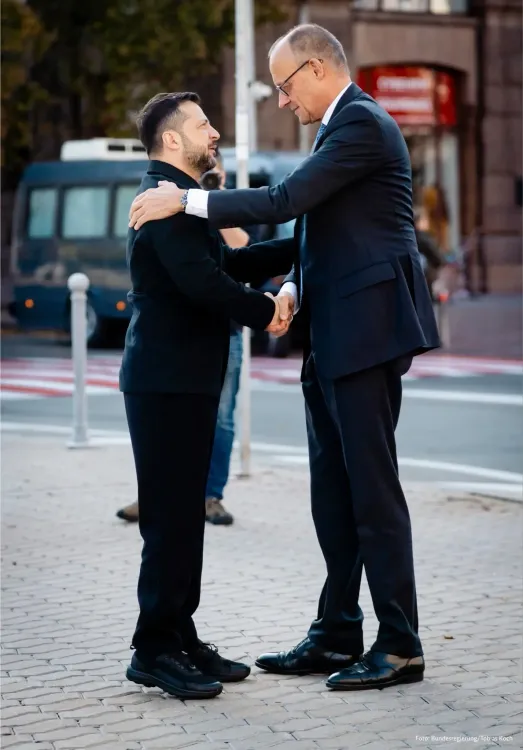
German Chancellor Friedrich Merz on Monday, 12 October 2026 flatly rejected any prospect of Germany or Europe participating in the recently announced US-Russia diesel fuel agreement, calling it 'out of the question' for both Berlin and the broader European bloc. Speaking at a press conference in Berlin, Merz reaffirmed Germany's commitment to existing sanctions against Russia and pledged unwavering support for Ukraine.
The US-Russia Diesel Agreement That Triggered the Reaction
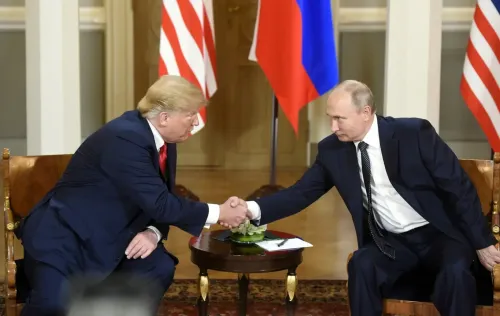
The controversy stems from a Friday telephone call between Russian President Vladimir Putin and US President Donald Trump, after which Trump announced that Russia would supply diesel fuel to the United States and global markets. The following day, Saturday, the Russian government partially lifted restrictions on diesel fuel exports that had been in place since the beginning of 2026. Trump separately announced what he termed an 'energy ceasefire' between Russia and Ukraine, a framing that European capitals have viewed with considerable scepticism.
Merz's Position on Peace Negotiations
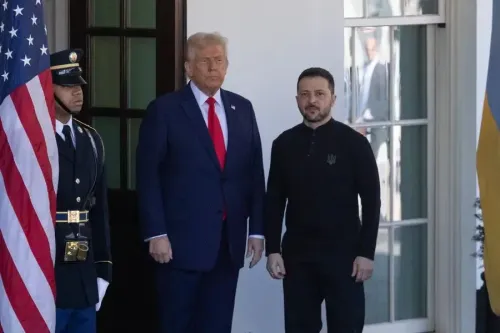
Merz dismissed prospects of immediate peace talks under current conditions, signalling that Europe is not prepared to normalise economic relations with Moscow while the conflict continues. He assured that Ukrainian President Volodymyr Zelensky can 'fully rely' on both Germany and Europe. The remarks followed a two-day leadership retreat of Merz's Christian Democratic Union (CDU) party, lending them additional weight as a consolidated party position rather than an off-the-cuff reaction. EU leaders are expected to continue working toward what Merz described as a 'just and lasting peace' at an upcoming EU summit in Brussels scheduled for Thursday and Friday.
EU Unveils Largest Single Sanctions Expansion Against Russia
European Union (EU) foreign ministers on Monday adopted nearly 1,600 new sanctions listings targeting Russia's military-industrial complex, according to EU foreign policy chief Kaja Kallas. Kallas confirmed the move was the largest single expansion of the bloc's sanctions list since the start of the Russia-Ukraine conflict. In a post on social media platform X, Kallas noted that more than half of the new listings were directly linked to the production chain for ballistic missiles.
Speaking ahead of the Foreign Affairs Council meeting in Luxembourg, Kallas said the measures were designed to make it 'significantly harder, slower and more expensive for Russia to produce weapons used against Ukraine.' She also described the listings as addressing what she called 'sham elections in Russia regarding the occupied territories of Ukraine.'
Kallas Calls for US-EU Sanctions Alignment
Kallas reiterated that continued pressure on Russia remained necessary to end the conflict and called for greater coordination between the United States and the EU on sanctions, arguing that such alignment would 'strengthen pressure on Moscow.' The appeal carries particular significance given that Washington has simultaneously moved to engage Moscow on energy exports — a policy direction that risks undermining the joint pressure campaign that Europe has sustained since 2022. This is the sharpest public divergence between European and US positions on Russia policy since Trump's return to office.
What Comes Next
All eyes are now on the Brussels EU summit on Thursday and Friday, where leaders are expected to discuss both the peace process and the transatlantic friction over the diesel deal. Any formal EU-level response to Trump's energy ceasefire announcement is likely to take shape there. Whether Washington recalibrates in response to European pushback — or presses ahead with the Russia energy arrangement — will define the near-term trajectory of Western unity on Ukraine.
Point of View
Public split in Western unity on Russia. Merz's blunt 'out of the question' is not just a rejection of one trade deal — it is a signal that Europe will not allow Washington's energy détente to become a template for normalisation. The timing of the EU's record 1,600-sanctions expansion on the same day is unlikely to be accidental; it is Europe reasserting its own pressure track as the US pivots. The deeper risk is that a bifurcated Western approach — Europe sanctioning, America trading — gives Moscow room to play both sides, eroding the economic pressure that has been Europe's primary lever since 2022.
NationPress
12 Oct 2026
Frequently Asked Questions
Why did Germany reject the US-Russia diesel fuel deal?
German Chancellor Friedrich Merz said the deal, announced by US President Trump after a call with Russian President Putin, is 'out of the question' for Germany and Europe because Berlin remains committed to its sanctions regime against Russia. Merz made the remarks at a press conference in Berlin on 12 October 2026.
What is the US-Russia diesel fuel agreement?
Following a phone call between US President Donald Trump and Russian President Vladimir Putin on Friday, Trump announced that Russia would supply diesel fuel to the United States and global markets. Russia's government then partially lifted its diesel export restrictions on Saturday, which had been in place since early 2026. Trump separately called this an 'energy ceasefire' between Russia and Ukraine.
What are the new EU sanctions against Russia?
EU foreign ministers on 12 October 2026 adopted nearly 1,600 new sanctions listings targeting Russia's military-industrial complex — the largest single expansion of EU Russia sanctions since the conflict began. EU foreign policy chief Kaja Kallas confirmed that more than half of the new listings are linked to Russia's ballistic missile production chain.
Who is Kaja Kallas and what did she say about the sanctions?
Kaja Kallas is the EU's foreign policy chief. Speaking ahead of the Foreign Affairs Council meeting in Luxembourg, she said the new sanctions would make it 'significantly harder, slower and more expensive' for Russia to produce weapons. She also called for greater US-EU coordination on sanctions, warning that alignment would strengthen pressure on Moscow.
What happens next in EU-Russia-Ukraine diplomacy?
EU leaders are set to meet at a summit in Brussels on Thursday and Friday, where a 'just and lasting peace' between Russia and Ukraine is expected to be a central agenda item. The summit will also be a key moment for the EU to respond collectively to Trump's energy ceasefire framing and address the growing transatlantic divergence on Russia policy.