Ebola cases in DR Congo climb to 1,048 with 267 deaths
Synopsis
The DRC's Ebola outbreak has crossed 1,048 confirmed cases and 267 deaths, with Ituri province at the centre. The most alarming detail: overcrowded displacement camps housing over 270,000 people are now being flagged as active transmission hotspots, with at least 13 unexplained deaths in Bunia camps under urgent investigation.
Key Takeaways
Confirmed Ebola cases in the Democratic Republic of the Congo have reached 1,048 , with 267 deaths as of 22 June .
The case fatality rate stands at 25.5 per cent ; 112 patients have recovered and 371 remain hospitalised or in isolation.
The outbreak, caused by the Bundibugyo ebolavirus , was declared on 15 May by the DRC health ministry.
Ituri province is the epicentre, accounting for more than 90 per cent of confirmed cases.
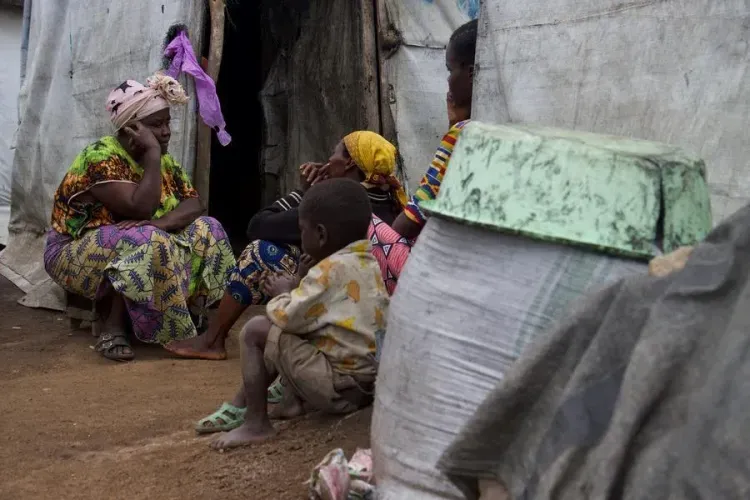
Over 270,000 displaced people in 60+ Ituri camps face heightened risk due to overcrowding and poor sanitation, according to OCHA .
At least 13 deaths in two Bunia camps between Wednesday and Thursday are under urgent Ebola investigation; at least 62 camp deaths recorded since April .
The confirmed Ebola case count in the Democratic Republic of the Congo (DRC) has reached 1,048, with 267 deaths recorded, according to the latest figures released by the country's health authorities as of Sunday, 22 June. The overall case fatality rate stands at 25.5 per cent, with the outbreak showing no sign of slowing as week-on-week case numbers continue to climb.
Current Outbreak Status
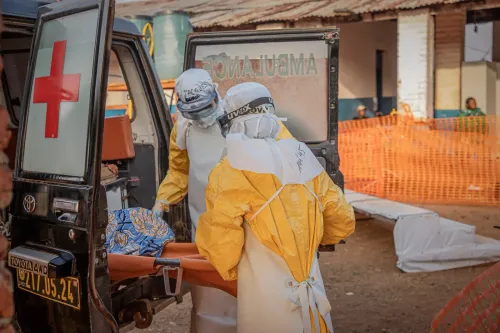
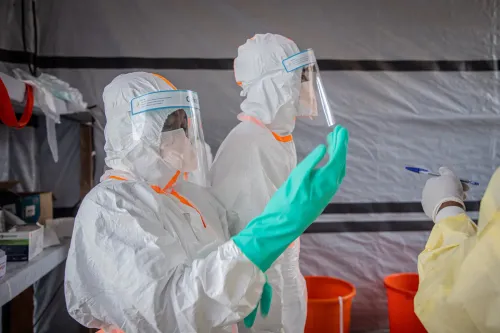
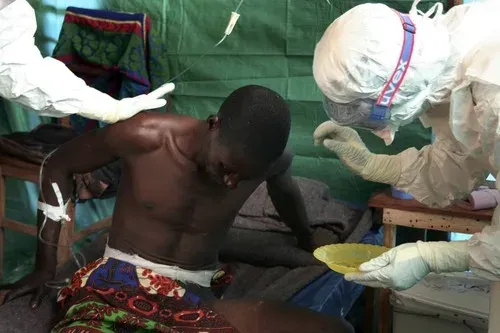
Of the confirmed cases, 371 patients are currently in isolation or hospitalised, while 112 have recovered. An additional 202 suspected cases, including 60 deaths, have also been logged. Health authorities have cautioned that the steady weekly rise in confirmed cases points to sustained community transmission, and that a rapid geographic spread remains possible if public health measures are not swiftly enforced.
The current outbreak, caused by the Bundibugyo ebolavirus strain, was officially declared by the DRC's health ministry on 15 May.
Displacement Camps Amplify Transmission Risk
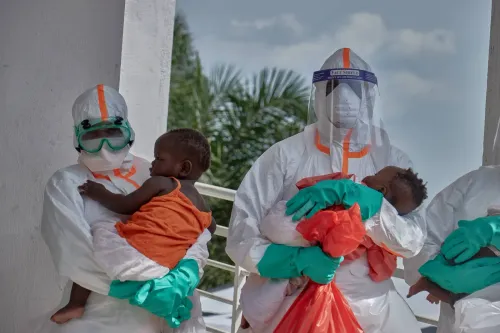
United Nations humanitarian officials have raised alarm over conditions in displacement camps across Ituri province, warning that overcrowding and poor sanitation are significantly heightening Ebola transmission risks. The UN Office for the Coordination of Humanitarian Affairs (OCHA) reported that more than 270,000 people — predominantly women and children — are sheltering across more than 60 sites in Ituri, many without adequate access to water, sanitation, or health services.
Notably, Ituri province accounts for more than 90 per cent of all confirmed cases, making it the unambiguous epicentre of the outbreak.
Deaths Investigated in Bunia Camps
Between Wednesday and Thursday, at least 13 people died across two displacement camps in Bunia, the capital of Ituri. Response teams are urgently investigating whether these deaths are linked to Ebola. Since April, at least 62 deaths have been reported in camps around the city.
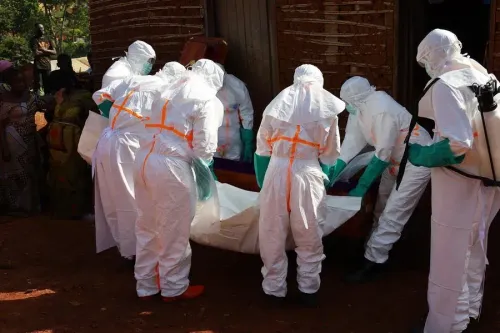
OCHA attributed the elevated risk in these camps to a combination of factors: mistrust of health facilities, congestion, gaps in prevention measures, and unsafe handling of bodies. 'These deaths are occurring amid a broader Ebola flare-up in Bunia, where mistrust of health facilities, congestion, gaps in prevention measures and unsafe handling of bodies are driving transmission risks among people in displacement camps,' OCHA said in its statement.
What Happens Next
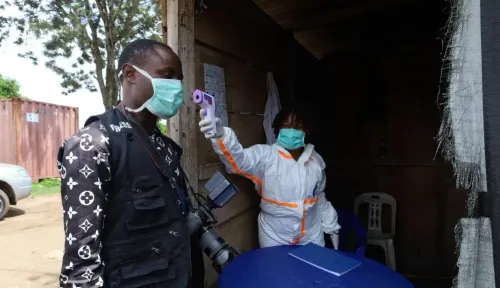
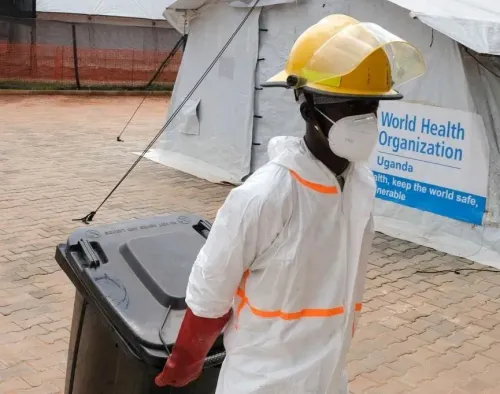
With community transmission ongoing and displacement camps acting as potential amplifiers, international health and humanitarian agencies face a race against time to scale up response operations in Ituri. The risk of further geographic spread remains high if containment measures — including safe burial practices, contact tracing, and access to treatment — are not rapidly expanded across affected zones.
Point of View
A slow initial response, and displacement camps emerging as the critical weak link. OCHA's warning about 270,000 people in under-resourced Ituri sites is not a peripheral concern — it is the central risk. Mistrust of health facilities, which OCHA explicitly cites, is a structural problem that medicine alone cannot fix; it requires community engagement that has historically lagged in eastern DRC. With 90 per cent of cases concentrated in one province and geographic spread explicitly flagged as a live risk, the window for containment is narrowing. The international response needs to match the urgency of the numbers, not trail behind them.
NationPress
21 Sept 2026
Frequently Asked Questions
How many Ebola cases have been confirmed in DR Congo?
As of 22 June, the DRC has confirmed 1,048 Ebola cases, including 267 deaths, according to the country's health authorities. An additional 202 suspected cases, with 60 deaths, have also been recorded.
Which Ebola strain is causing the current DRC outbreak?
The current outbreak is caused by the Bundibugyo ebolavirus, a distinct strain of the Ebola virus. The outbreak was officially declared by the DRC's health ministry on 15 May.
Why are displacement camps a concern in the DRC Ebola outbreak?
OCHA has warned that more than 270,000 displaced people — mostly women and children — are sheltering in over 60 sites in Ituri province with inadequate water, sanitation, and healthcare. Overcrowding, mistrust of health facilities, and unsafe handling of bodies are all driving transmission risks in these camps.
Where is the Ebola outbreak most concentrated in the DRC?
Ituri province is the epicentre of the outbreak, accounting for more than 90 per cent of all confirmed cases. Bunia, the provincial capital, has seen at least 62 deaths in displacement camps since April.
What is the case fatality rate for the current DRC Ebola outbreak?
The overall case fatality rate stands at 25.5 per cent, based on figures released by DRC health authorities as of 22 June. Of those infected, 112 patients have recovered and 371 remain in isolation or hospitalised.