Ebola deaths near 500 in DR Congo as outbreak hits record scale
Synopsis
The DRC's Ebola crisis has crossed into record territory — not just in case count, but in strain severity. With no approved vaccine or treatment for the Bundibugyo virus, over 490 dead, and weekly cases topping 300 for two straight weeks, this is the most dangerous Ebola episode the DRC has faced in years, unfolding in conflict zones where health workers can barely get in.
Key Takeaways
The DRC has recorded 1,528 confirmed Ebola cases and 492 deaths as of 5 July .
Epidemiological weeks 25 and 26 each exceeded 300 confirmed cases — the highest weekly totals on record for this outbreak.
The WHO has described this as the largest Bundibugyo Ebola outbreak ever recorded; no approved vaccine or treatment exists for this strain.
Transmission is concentrated in eastern provinces Ituri and North Kivu , where insecurity and mining-zone mobility are hampering containment.
A WHO -backed clinical trial to evaluate potential treatments has begun enrolling patients in the DRC.
Uganda has reported 20 confirmed cases , all linked to imports or quarantine detections — no community transmission observed.
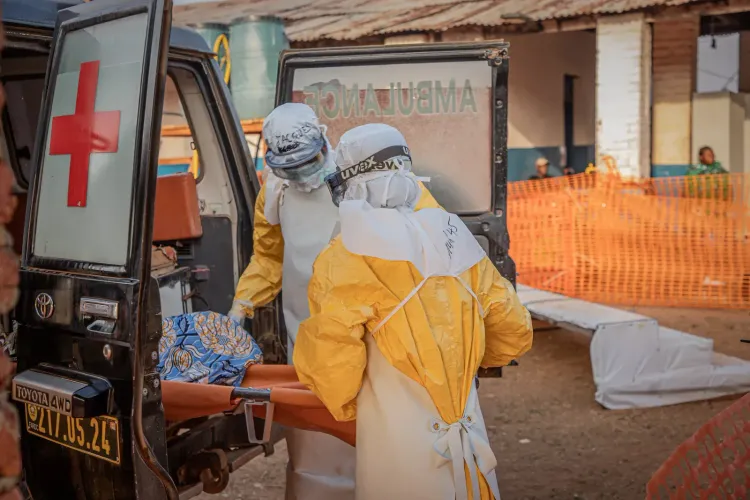
The Democratic Republic of the Congo (DRC) has recorded 1,528 confirmed Ebola cases and 492 deaths as of 5 July, with the outbreak continuing to expand across the country's eastern provinces. Health authorities confirmed that epidemiological weeks 25 and 26 each logged more than 300 new confirmed cases — the highest weekly totals since the outbreak began — signalling sustained community transmission.
Scale of the Outbreak
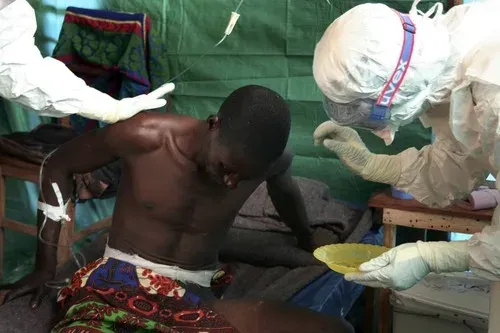
According to a situation report released by DRC public health authorities, 239 patients have recovered, while 628 confirmed patients remain in isolation or hospitalisation. An additional 185 suspected cases have been identified and are under investigation.
The World Health Organisation (WHO) has characterised this as the largest Bundibugyo Ebola outbreak ever recorded. Unlike the more familiar Zaire strain, the Bundibugyo virus currently has no approved vaccine or specific treatment, raising the stakes for an already overstretched response.
Eastern Provinces Bear the Brunt
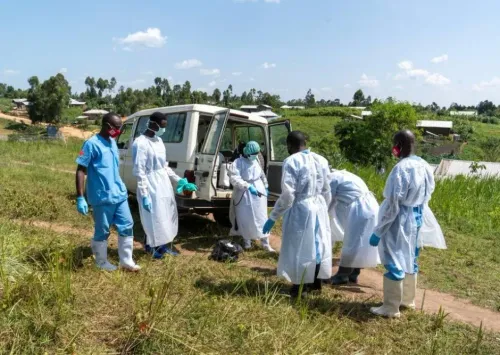
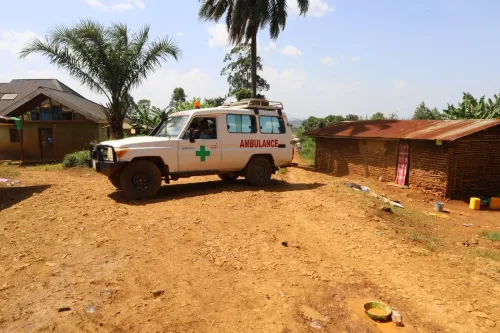
WHO Regional Director for Africa Mohamed Yakub Janabi said at an online media briefing that transmission is continuing in the eastern provinces of Ituri and North Kivu, where the outbreak is most severe. Pierre Akilimali, a WHO expert based in the DRC, noted that many affected areas in Ituri are active mining zones, where frequent movement of workers from outside communities has amplified the risk of virus spread.
Akilimali added that ongoing insecurity and armed group activity in the region are making case detection and contact tracing significantly more difficult — a combination that health officials describe as among the most challenging outbreak environments in recent memory.
Key Challenges Facing Responders
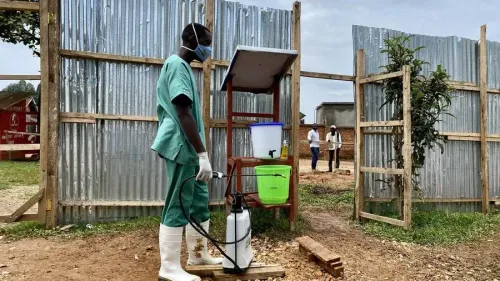
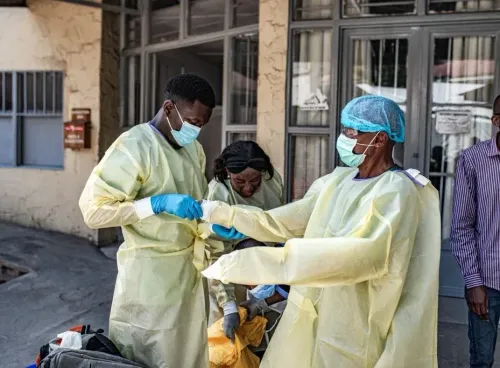
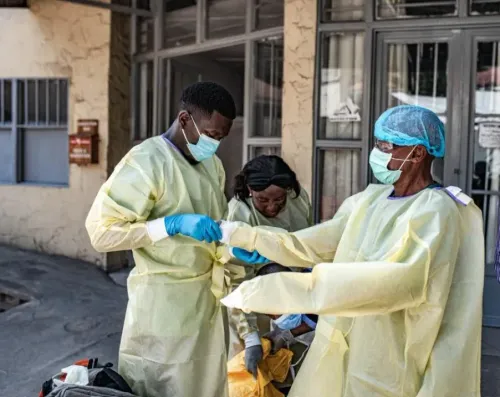
The situation report flagged several critical obstacles, including community resistance to post-mortem sampling, insufficient capacity at Ebola treatment centres — particularly in North Kivu — suboptimal contact tracing, delayed laboratory diagnosis, and shortages of medical and infection-prevention supplies. Limited access due to insecurity in parts of the affected zone compounds each of these problems.
This is not the DRC's first Ebola crisis; the country has experienced more outbreaks than any other nation. However, the convergence of record weekly case counts, an untreatable viral strain, and active conflict zones marks this episode as particularly acute.
Clinical Trial Underway, Uganda Situation Contained
On Thursday, the WHO confirmed that a clinical trial has begun enrolling patients in the DRC to evaluate potential treatments for Bundibugyo Ebola — a critical step given the absence of any approved therapy. The trial represents the first structured treatment evaluation for this strain.
Across the border, Uganda has reported 20 confirmed cases as of Thursday, of which 15 were imported. The remaining five locally infected individuals were all detected while in quarantine. Benjamin Sensasi, a WHO expert in Uganda, confirmed that no community transmission has been observed in the country so far.
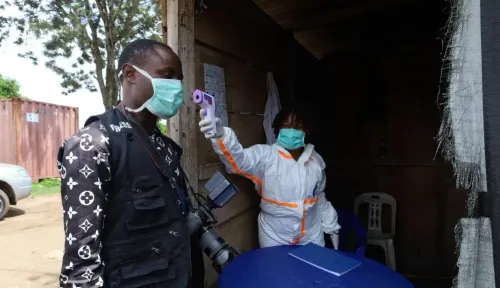
The DRC and Uganda have established a joint cross-border response mechanism and signed a memorandum of understanding to share surveillance data and strengthen screening and treatment capacity at border crossings, according to Sensasi.
What Comes Next
With weekly case counts at record highs and structural barriers to containment firmly in place, health officials are watching whether the clinical trial yields usable treatment data quickly enough to influence the outbreak's trajectory. The cross-border cooperation framework with Uganda will be tested as case numbers evolve in the weeks ahead.
Point of View
But the more alarming detail is structural: this is a Bundibugyo outbreak, a strain for which no approved treatment or vaccine exists, and it is burning through conflict-affected mining corridors where surveillance is nearly impossible. Weekly case counts crossing 300 for two consecutive weeks is not a plateau — it is acceleration. The cross-border MoU with Uganda is a positive signal, but the real test is whether a clinical trial can produce actionable treatment data before the outbreak outpaces every containment tool currently available. The international community's response bandwidth, already stretched across multiple crises, deserves scrutiny here.
NationPress
5 Jul 2026
Frequently Asked Questions
How many Ebola cases and deaths has the DRC reported?
As of 5 July, the DRC has reported 1,528 confirmed Ebola cases and 492 deaths. An additional 185 suspected cases are under investigation, and 628 confirmed patients remain in isolation or hospitalisation.
What makes this Ebola outbreak historically significant?
The WHO has described it as the largest Bundibugyo Ebola outbreak ever recorded. The Bundibugyo strain currently has no approved vaccine or specific treatment, making containment and care significantly more difficult than with better-studied strains.
Why is the outbreak so difficult to control in eastern DRC?
Transmission is concentrated in the provinces of Ituri and North Kivu, where armed group activity and insecurity limit health worker access. Mining zones in Ituri see high movement of people from outside, increasing transmission risk. Community resistance to post-mortem sampling and insufficient treatment centre capacity add further barriers.
Has Uganda been affected by the Ebola outbreak?
Uganda has reported 20 confirmed cases as of Thursday, of which 15 were imported from the DRC. The remaining five were detected while in quarantine, and no community transmission has been observed. Uganda and the DRC have signed a memorandum of understanding to coordinate cross-border surveillance and response.
Is there a treatment or vaccine being developed for this outbreak?
There is currently no approved vaccine or specific treatment for Bundibugyo Ebola. However, the WHO confirmed on Thursday that a clinical trial has begun enrolling patients in the DRC to evaluate potential treatments — the first such trial for this strain.