US strikes Iran for 7th night; blasts heard in Bushehr, Yazd, Hormozgan
Synopsis
For the seventh straight night, US forces struck Iranian military targets as explosions were reported across Bushehr, Yazd, and Hormozgan provinces. The IRGC simultaneously claimed retaliatory strikes on US drone depots and an AI centre in Bahrain — a potential geographic escalation that, if verified, would mark a dangerous new phase in the US-Iran confrontation.
Key Takeaways
CENTCOM confirmed a seventh consecutive night of US strikes against Iran on 18 July .
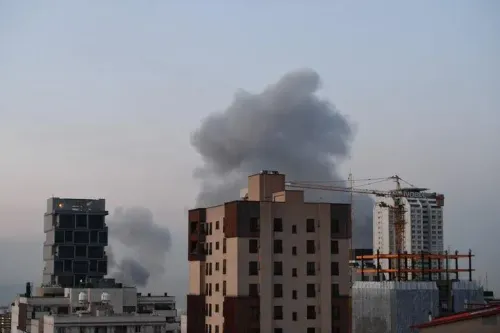
Explosions were reported in Bushehr province , Sirik and Qeshm counties (Hormozgan) , and Yazd province .
Thursday's strikes targeted coastal surveillance sites, air defence installations, maritime assets , and the Chah Bahar Shahid Kalantari Port surveillance tower .
The IRGC claimed retaliatory strikes on a US unmanned surface vessel depot and an AI centre in Bahrain , destroying both — claims not independently verified.
The IRGC also claimed it shot down a US AeroVironment RQ-11 Raven drone over Khuzestan province .
No confirmed casualty figures have been released by either side.
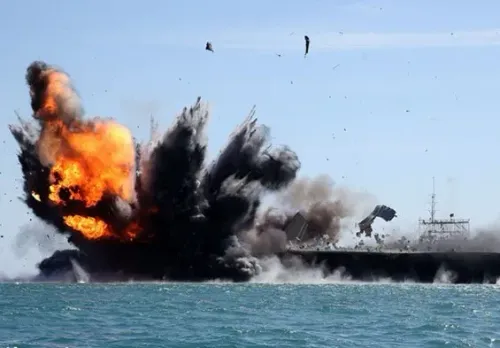
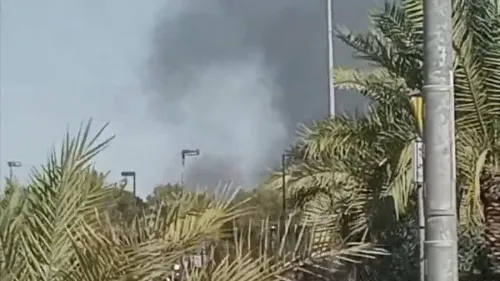
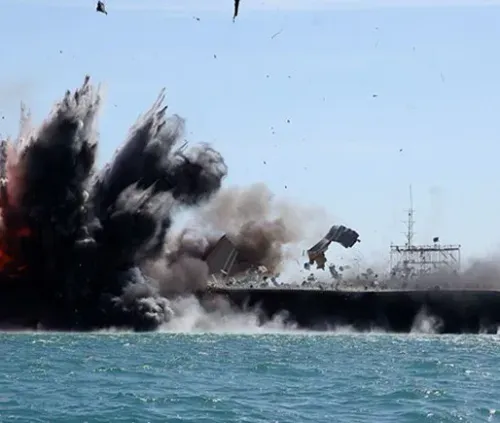
Explosions rocked multiple Iranian provinces on the night of Friday, 18 July as US Central Command (CENTCOM) confirmed it had launched a new round of strikes against Iran — the seventh consecutive night of American military action. Iranian media reported blasts across Bushehr province, Hormozgan province's Sirik and Qeshm counties, and Yazd province in central Iran, with no immediate details on targets, casualties, or damage.
CENTCOM Confirms Seventh Night of Strikes
CENTCOM stated in a post on social media platform X on Friday night that the latest strikes 'are designed to continue degrading Iranian military capabilities.' The command did not immediately specify which sites were targeted in Friday's round.
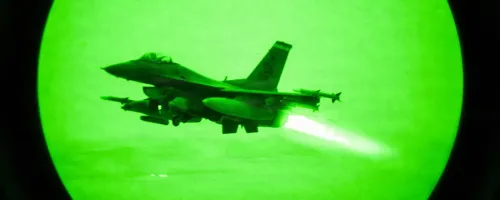
The previous night, Thursday, CENTCOM said US forces — including fighter jets, drones, and warships — had carried out precision strikes against dozens of Iranian military targets. These included coastal surveillance sites, air defence installations, military logistics infrastructure, and maritime assets.
Chah Bahar Port Surveillance Tower Among Targets
Among the sites struck on Thursday was the surveillance tower at Chah Bahar Shahid Kalantari Port, which CENTCOM described as part of a maritime surveillance network along Iran's Gulf of Oman coastline. According to CENTCOM, Iran's Islamic Revolution Guard Corps (IRGC) had used the tower to track and target commercial vessels transiting the Strait of Hormuz — one of the world's most critical shipping chokepoints.
IRGC Claims Retaliatory Strikes on Bahrain
The IRGC announced on Friday that its forces had, earlier in the day, targeted a depot housing US unmanned surface vessels in Bahrain, claiming to have destroyed a large number of them. In a statement published on its official outlet Sepah News, the IRGC also claimed its retaliatory missile and drone strikes hit what it described as the main artificial intelligence centre in Bahrain, which it alleged was used by the United States to detect targets. The IRGC said the facility was 'completely destroyed,' though these claims could not be independently verified.
In a separate statement on Friday, the IRGC said its air defence forces shot down an AeroVironment RQ-11 Raven drone over Ramshir County in the southwestern Khuzestan province.
Scope and Escalation
The seventh consecutive night of US strikes marks a sustained military campaign of a scale rarely seen in direct US-Iran confrontation. The targeting of maritime surveillance infrastructure at Chah Bahar signals a deliberate effort to degrade Iran's ability to threaten commercial shipping through the Strait of Hormuz — a waterway through which roughly 20% of global oil trade flows. Notably, the simultaneous IRGC counterclaims of strikes on Bahrain, if verified, would represent a significant escalation in the geographic spread of the conflict. No casualty figures have been confirmed by either side as of Friday night.
What Comes Next
With both sides claiming offensive and retaliatory action, the trajectory of the conflict remains highly uncertain. Regional governments, shipping operators, and energy markets are closely monitoring developments, particularly any threat to Strait of Hormuz transit. Further CENTCOM statements are expected as the situation develops.
Point of View
And the distinction matters. The deliberate targeting of maritime surveillance infrastructure at Chah Bahar suggests Washington is prioritising Iran's ability to threaten Hormuz shipping, not just symbolic deterrence. The IRGC's counter-claim of strikes on Bahrain — home to the US Fifth Fleet — is the most consequential detail in this report, and also the least verified. If true, the conflict has jumped borders. If fabricated for domestic consumption, it signals how much pressure the IRGC is under to show results. Either way, the gap between the two sides' narratives is itself a risk factor: miscalculation becomes more likely when each party is operating on a different factual baseline.
NationPress
18 Jul 2026
Frequently Asked Questions
Why is the US striking Iran?
CENTCOM has stated that the strikes are 'designed to continue degrading Iranian military capabilities.' The campaign, now in its seventh consecutive night as of 18 July, has targeted coastal surveillance sites, air defence systems, military logistics infrastructure, and maritime assets, including a surveillance tower used to track commercial vessels in the Strait of Hormuz.
Which parts of Iran were hit on 18 July?
Explosions were reported in Bushehr province, Sirik and Qeshm counties in Hormozgan province, and Yazd province in central Iran, according to Iranian media including the Mehr and IRNA news agencies. No details on specific targets, casualties, or damage have been confirmed.
What did the IRGC claim in retaliation?
The IRGC claimed on Friday that it struck a depot housing US unmanned surface vessels in Bahrain and an AI centre allegedly used by the US to detect targets, saying both were destroyed. It also claimed to have shot down a US AeroVironment RQ-11 Raven drone over Khuzestan province. These claims have not been independently verified.
Why is the Strait of Hormuz significant in this conflict?
The Strait of Hormuz is one of the world's most critical oil shipping chokepoints, with roughly 20% of global oil trade passing through it. CENTCOM said Iran's IRGC had used the Chah Bahar port surveillance tower — struck on Thursday — to track and target commercial vessels transiting the strait.
Has there been any confirmed casualty count?
No confirmed casualty figures have been released by either the United States or Iran as of Friday night, 18 July. Iranian media reported the explosions but provided no details on damage or casualties from the latest round of strikes.