Explosions rock Iran's Qeshm Island near Strait of Hormuz amid naval standoff
Synopsis
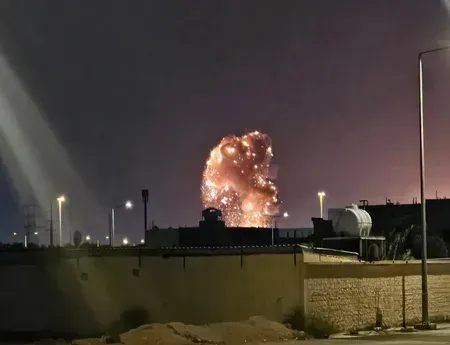
Two explosions shook Iran's Qeshm Island at the entrance to the Strait of Hormuz on the same night Iran and Oman reportedly finalised a 60-day framework to reopen the waterway. The timing is stark: a fragile diplomatic deal and a fresh naval confrontation unfolding within hours of each other at one of the world's most critical oil chokepoints.
Key Takeaways
Two explosions were heard on Qeshm Island , Hormozgan province , at 21:40 local time (18:10 GMT) on 7 August .
Iranian armed forces said the blasts followed a confrontation with 'hostile enemy targets' at the entrance to the Strait of Hormuz .
Ahmad Nafisi , Hormozgan's deputy governor, said no strike or incident had been officially confirmed on Qeshm Island or Bandar Abbas .
Iran and Oman reportedly reached a preliminary understanding to reopen the Strait of Hormuz for 60 days , pending approval by Iran's Supreme National Security Council .
Under the reported deal, no transit fees would be imposed; regional parties may assist with demining.
Iran restricted strait access on 28 February , barring vessels linked to Israel and the United States following joint strikes on Iranian territory.
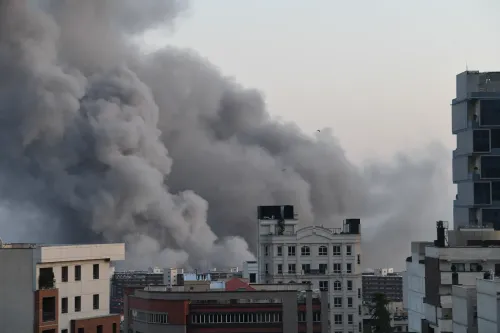
Two explosions rocked Iran's Qeshm Island in Hormozgan province on Thursday night, 7 August, following what Iranian armed forces described as a confrontation with 'hostile enemy targets' at the entrance to the Strait of Hormuz, according to the semi-official Tasnim news agency. The blasts were heard at approximately 21:40 local time (18:10 GMT), raising fresh alarm over security in one of the world's most critical maritime chokepoints.
What Happened on Qeshm Island
Tasnim, citing informed sources, reported that the explosions were a direct consequence of the Iranian naval forces' engagement with what it termed 'hostile enemy targets.' The agency added that the 'achievements' of the confrontation would be announced in the coming hours, without elaborating on the nature of the targets or the outcome of the engagement.
Ahmad Nafisi, Hormozgan's deputy governor for political, security, and social affairs, said no strike or incident had been officially reported on Qeshm Island or the provincial capital Bandar Abbas. He confirmed that relevant authorities were conducting investigations to determine the cause of the blasts.
Iran-Oman Agreement to Reopen Strait of Hormuz
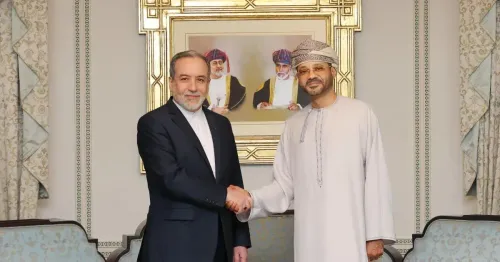
The explosions came on the same day that Iran and Oman reportedly reached a preliminary understanding on reopening the Strait of Hormuz for 60 days, according to Saudi-based news channels Al Hadath and Al Arabiya, both citing high-ranking sources. The agreement, which still reportedly requires approval from Iran's Supreme National Security Council, could be announced within days.
Under the reported framework, vessels entering the strait would use a route close to Iran, while outbound ships would take a route near Oman. No transit fees or service charges would be imposed, and regional parties may participate in demining and technical procedures, the sources said.
US-Iran Back-Channel Contacts
Following the agreement's approval, the United States and Iran are expected to return to their peace memorandum of understanding (MoU) and activate Paragraph 5, concerning the reopening and safe navigation of commercial shipping through the strait, according to the sources. Indirect contacts between Iran and the US through mediators have reportedly entered their 'final stage.'
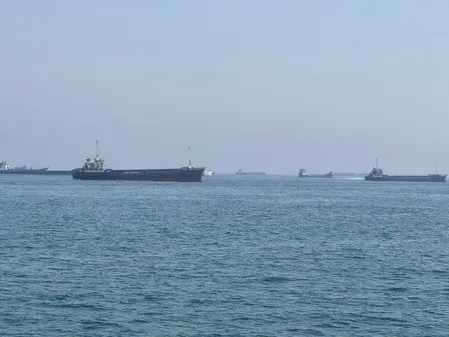
This comes amid a tense backdrop: Iran tightened its grip on the strait on 28 February, barring safe passage to vessels belonging to or affiliated with Israel and the United States, following their joint strikes on Iranian territory. The move sent shockwaves through global shipping and energy markets, given that the Strait of Hormuz carries an estimated one-fifth of the world's oil supply.
What Happens Next
The explosions on Qeshm Island, even as a diplomatic framework nears completion, underscore the fragility of the situation. Whether the blasts represent an isolated naval incident or a deliberate escalation will likely shape the pace of any formal agreement. Analysts will be watching closely for Iran's promised announcement on the 'achievements' of its naval confrontation, as well as any formal confirmation from the Supreme National Security Council on the Oman-brokered deal.
Point of View
Using each to strengthen its hand in the other. The Oman-brokered framework, if real, is significant — but Iran's Supreme National Security Council has blocked deals before at the last stage. What mainstream coverage underplays is the economic asymmetry at stake: every additional week the strait remains restricted costs global shipping and oil markets far more than it costs Tehran, which has adapted its export routes. The explosions on Qeshm Island, whatever their origin, remind all parties that the cost of a deal collapsing is not abstract.
NationPress
7 Aug 2026
Frequently Asked Questions
What caused the explosions on Qeshm Island on 7 August?
According to Iran's semi-official Tasnim news agency, the explosions on Qeshm Island were the result of Iranian armed forces confronting 'hostile enemy targets' at the entrance to the Strait of Hormuz. The blasts were heard at around 21:40 local time. Authorities said investigations were under way to determine the precise cause.
Has any damage been confirmed on Qeshm Island or Bandar Abbas?
No. Ahmad Nafisi, Hormozgan's deputy governor for political, security, and social affairs, said no strike or incident had been officially reported on Qeshm Island or the provincial capital Bandar Abbas. Investigations are ongoing.
What is the Iran-Oman agreement to reopen the Strait of Hormuz?
Iran and Oman reportedly reached a preliminary understanding to reopen the Strait of Hormuz for 60 days, according to Al Hadath and Al Arabiya, citing high-ranking sources. The deal still requires approval from Iran's Supreme National Security Council and could be formally announced within days. Under the framework, no transit fees would be imposed and regional parties may assist with demining.
Why did Iran restrict access to the Strait of Hormuz?
Iran tightened its grip on the strait on 28 February, barring safe passage to vessels belonging to or affiliated with Israel and the United States, following their joint strikes on Iranian territory. The Strait of Hormuz is a critical global oil shipping lane.
What is the current status of US-Iran contacts?
Indirect contacts between Iran and the United States through mediators are reportedly in their 'final stage,' according to high-ranking sources cited by Al Hadath and Al Arabiya. If the Oman-brokered deal is approved, the two countries are expected to activate Paragraph 5 of their peace MoU, covering safe commercial navigation through the strait.