Are Daily Wage Workers and Porters in Pakistan Facing Financial Hardships Due to the Torkham Border Closure?
Synopsis
The ongoing closure of the Torkham border has plunged hundreds of daily wage workers and porters in Pakistan into financial turmoil, as they struggle to find work and support their families. With rising tensions affecting livelihoods, the implications are dire for these vulnerable communities.
Key Takeaways
Financial Struggles: Daily wage workers are facing severe financial difficulties due to the Torkham border closure.
Job Loss: Many have lost their jobs, leading to borrowing and spending cuts.
Impact on Families: Families are struggling to send children to school due to financial constraints.
Mental Health Issues: Some individuals are resorting to drug use due to stress.
Potential for Extremism: Unemployment may lead to recruitment into extremist groups.
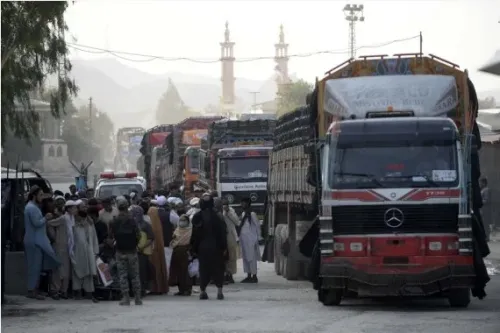
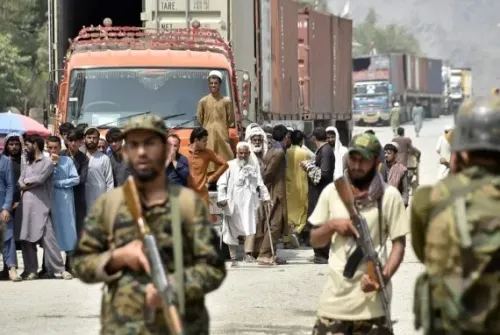
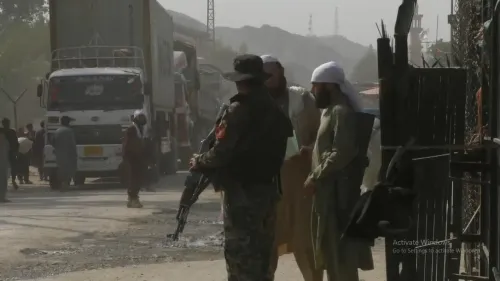
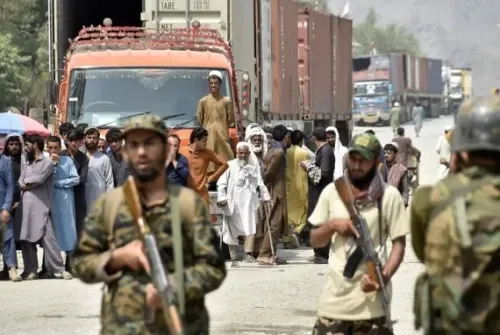
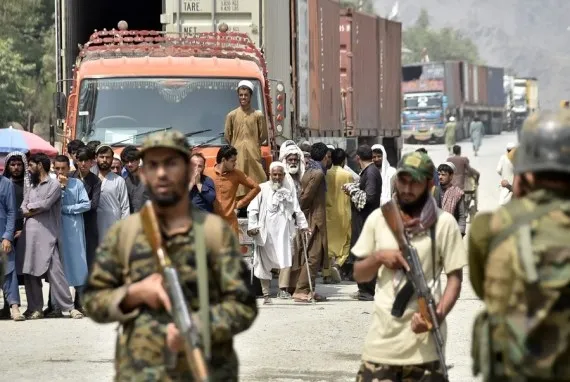
Islamabad, Dec 30 (NationPress) Hundreds of daily wage workers and porters in Pakistan are currently grappling with serious financial difficulties due to the ongoing closure of the Torkham border, which has resulted in the loss of their part-time employment, according to local media reports on Monday.
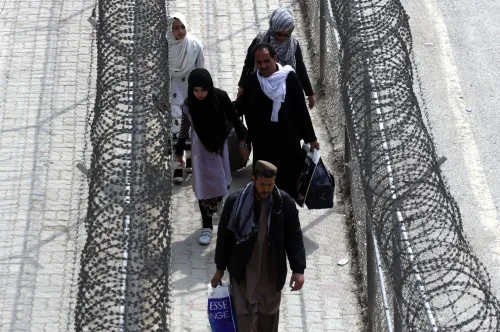
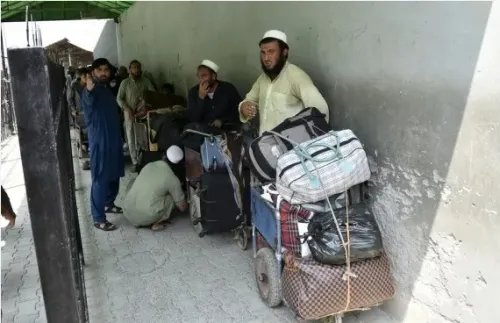
With the Torkham border remaining sealed amid rising tensions between Afghanistan and Pakistan, many of these laborers are now seeking work in Punjab and Sindh. Others have resorted to borrowing money from friends and family to cover their everyday expenses. Some families have even stopped sending their children to school due to the inability to afford tuition fees, as reported by the Dawn. Tragically, some of the unemployed daily-wage workers and porters have turned to drug use as a means of coping with their mental distress.
In an interview with the Dawn, Mansoor Ali shared that he had to abandon his FSc computer science studies due to financial hardship and now earns a meager income by transporting luggage for Afghan and Pakistani travelers between the border and taxi stands.
The 24-year-old, married for just eight months, expressed his anguish over sleepless nights brought on by the stress of joblessness following the border's closure. He revealed that he has already borrowed money from his relatives to manage his family's expenses.
Leader of the Torkham Labourers and Porters Association, Ali Shinwari, voiced concerns that young unemployed laborers might be vulnerable to recruitment by extremist groups who seek to exploit their dire circumstances. “We are also worried that some young men from the tribes might turn to drug trafficking, as narcotics dealers offer attractive wages,” he stated.
The challenges faced by these daily wage workers, most of whom are unskilled, began in 2016 when Pakistan implemented a visa policy affecting Afghan and Pakistani nationals crossing the Torkham border.
In October, Pakistan closed all trade routes with Afghanistan following military engagements near the Durand Line. In retaliation, Afghan forces launched attacks as well. Following this closure, Afghanistan's Deputy Prime Minister for Economic Affairs, Mullah Abdul Ghani Baradar Akhund, encouraged industrialists and traders to explore alternative trade routes.
Point of View
It is crucial to recognize the plight of daily wage workers and porters in Pakistan amid the Torkham border closure. This situation underscores the need for immediate attention from authorities to address the economic hardships faced by these vulnerable communities. Our commitment is to report on these issues with integrity, ensuring that the voices of those affected are heard.
NationPress
20 Sept 2026
Frequently Asked Questions
What is causing the financial problems for daily wage workers in Pakistan?
The financial issues arise from the closure of the Torkham border, which has resulted in the loss of part-time jobs for hundreds of daily wage workers and porters.
How are workers managing their expenses during this crisis?
Many workers are borrowing money from relatives and friends to cover their daily expenses, while some have even stopped sending their children to school due to financial constraints.
What are the potential social implications of this border closure?
There is a risk that unemployed youth may be recruited by extremist groups or turn to drug trafficking as a means of survival.
When did the challenges for these workers begin?
The difficulties for daily wage workers began in 2016 when Pakistan introduced a visa policy affecting border crossings.
What actions have been taken by the Pakistani government regarding trade with Afghanistan?
In October, Pakistan shut all trade routes with Afghanistan following military engagements, prompting calls from Afghan officials to seek alternative trade routes.