Pakistan child abuse: 1,914 cases in 6 months, half inside homes
Synopsis
Nearly half of Pakistan's 1,914 documented child abuse cases in the first six months of 2026 happened inside the victims' own homes — not on dark streets, but behind family doors. A Karachi toddler's death allegedly at the hands of a trusted relative puts a human face on what the data confirm: Pakistan's child-protection systems are reactive at best, and absent at worst.
Key Takeaways
1,914 cases of child abuse were documented across Pakistan in the first six months of 2026 , according to Sahil , an Islamabad-based child-rights organisation.
More than half of all cases involved sexual abuse; hundreds more involved abduction, child marriage, and sexual exploitation.
Nearly half of all reported incidents occurred inside the victims' own homes.
A one-and-a-half-year-old girl in Karachi's Qayyumabad area died allegedly after being sexually assaulted by a teenage relative — a frequent visitor to the family home.
The report identifies failures across families, schools, communities, social services, police, and the justice system — not a single point of breakdown.
Reported figures are widely considered an undercount, given stigma and institutional distrust that deter survivors from coming forward.
Pakistan recorded 1,914 cases of child abuse in the first six months of 2026, with nearly half of all incidents occurring inside the victims' own homes — a pattern that exposes a fundamental breakdown in child-protection systems at every level, according to a report citing data from Sahil, an Islamabad-based child-rights organisation.
Scale of the Crisis
The figures, documented by Sahil and highlighted in a Maldives Insight report, are not merely a criminal statistic. More than half of the 1,914 reported cases involved sexual abuse, while hundreds more concerned abduction, missing children, child marriage, and sexual exploitation. The data underscore what the report describes as the failure of existing protection mechanisms to prevent violations before they occur.
According to the report, authorities can register an FIR, arrest a suspect, establish a committee, or announce a new policy framework — but none of these measures can change the fact that a child had already been placed in danger before any institutional response was triggered.
When Home Is the Danger Zone
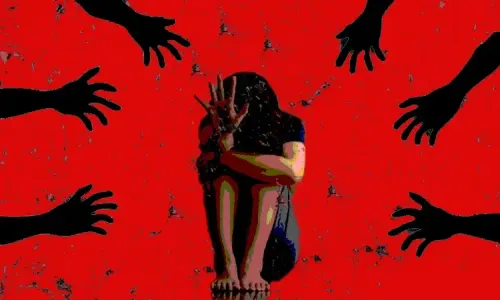
'A child's home is supposed to be the place where danger ends. In Pakistan, the latest figures suggest that for thousands of children, it can be where the danger begins,' the report stated.
The report cited the recent death of a one-and-a-half-year-old girl in Karachi's Qayyumabad area as a particularly disturbing illustration of this reality. Police arrested a teenage relative after the toddler died while receiving treatment following an alleged sexual assault. According to the FIR, the relative was a frequent visitor to the family home and had taken the child outside on the pretext of buying her something.
The case drew attention precisely because the alleged perpetrator was not a stranger but a family member with close, regular access — a profile that, according to the data, is far more common than public perception acknowledges.
Systemic Failures at Multiple Levels
The report identified failures not at a single point but across an entire chain — from families and schools to communities, social services, police, and the justice system. It noted that Pakistan has laws, institutions, and reporting mechanisms designed to protect children, but the evidence cannot establish that those systems are keeping children safe before violence occurs.
'The threat is not confined to dark streets or unknown strangers. It can exist behind the doors of homes, within extended families and inside relationships that children are expected to trust,' the report observed.
This comes amid longstanding concerns from international child-rights bodies about Pakistan's implementation gap — the distance between legislative intent and on-the-ground protection outcomes.
What the Data Cannot Capture
Experts and child-welfare advocates have consistently warned that reported figures represent only a fraction of actual abuse, given social stigma, family pressure, and institutional distrust that deter survivors and their families from coming forward. The 1,914 cases documented in six months are therefore likely a significant undercount of the true scale.
With no credible pre-emptive intervention framework in place, the next reporting cycle is unlikely to show improvement unless Pakistan moves beyond reactive policing toward structured community-level prevention.
Point of View
Not the street, is the primary site of child abuse. Reactive policing — FIRs filed after harm is done — is structurally incapable of addressing this. What is missing is a community-level, pre-emptive protection architecture, the kind that requires sustained funding and political will rather than periodic condemnation. The 1,914 figure is almost certainly an undercount, which makes the institutional silence around prevention even harder to justify.
NationPress
3 Oct 2026
Frequently Asked Questions
How many child abuse cases were reported in Pakistan in 2026?
According to data documented by Sahil, an Islamabad-based child-rights organisation, 1,914 cases of child abuse were reported across Pakistan in the first six months of 2026. More than half involved sexual abuse, with hundreds more concerning abduction, missing children, child marriage, and sexual exploitation.
Where do most child abuse cases in Pakistan occur?
Nearly half of the reported incidents occurred inside the victims' own homes, according to the Sahil data cited in the report. This challenges the common perception that the primary threat to children comes from strangers in public spaces.
What was the Karachi child abuse case mentioned in the report?
A one-and-a-half-year-old girl in Karachi's Qayyumabad area died while undergoing treatment following an alleged sexual assault. Police arrested a teenage relative who was reportedly a frequent visitor to the family home and had taken the child outside on the pretext of buying her something.
Why is Pakistan's child-protection system considered to be failing?
The report argues that Pakistan's system is reactive rather than preventive — authorities can file FIRs, arrest suspects, or announce policy frameworks, but these measures only engage after a child has already been harmed. Failures span families, schools, communities, social services, police, and the justice system.
Are the reported figures an accurate picture of child abuse in Pakistan?
Almost certainly not — experts and child-welfare advocates consistently note that reported cases represent only a fraction of actual abuse, because social stigma, family pressure, and distrust of institutions deter survivors and families from coming forward. The 1,914 documented cases are widely considered a significant undercount.