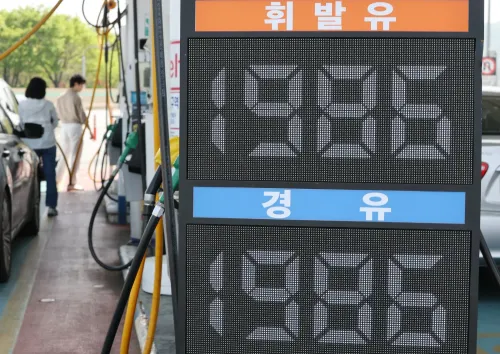
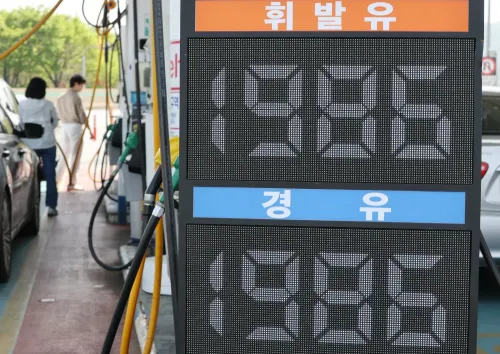
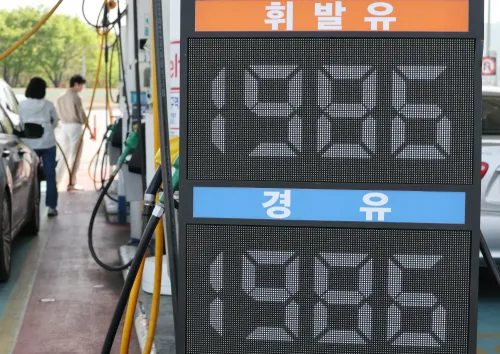
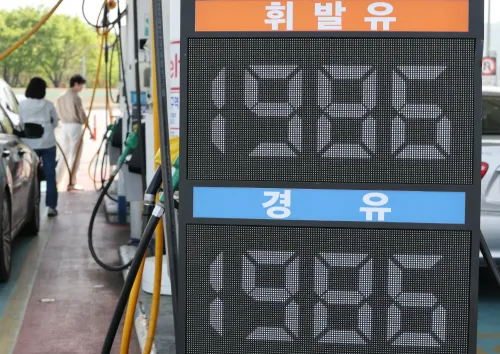
South Korea petrol price drops below 2,000 won for 2nd straight day
Synopsis
South Korean petrol prices have dipped below 2,000 won per litre for two consecutive days — the first time in nearly two months — as Dubai Crude has shed 34.3% in a month and the government slashed refiner price ceilings by 150 won. Full consumer relief is still two to three weeks away, and a return to pre-US-Iran war levels looks uncertain.
Key Takeaways
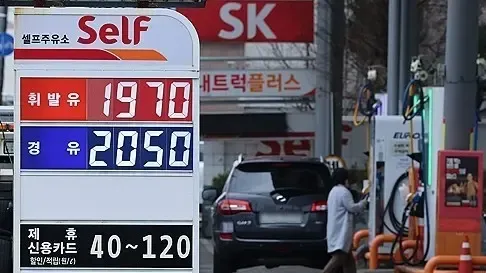
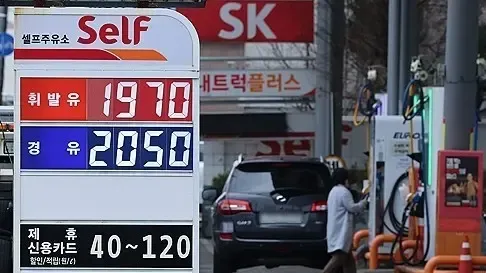
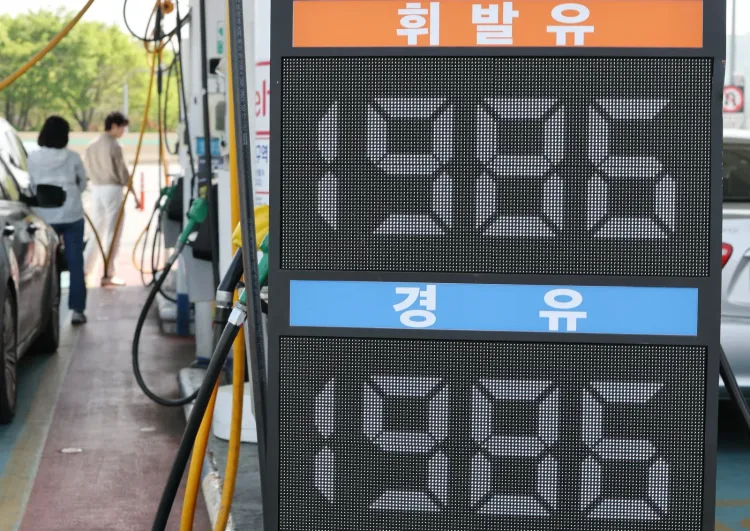
Average gasoline price in South Korea fell to 1,991.1 won per litre on 28 June , the second straight day below the 2,000-won mark.
Diesel prices eased to 1,982.3 won per litre , according to KNOC data.
The government cut the refiner price ceiling by 150 won per litre for petrol, diesel, and kerosene, effective Saturday.
Dubai Crude has dropped 34.3% in one month, from US$98 to US$64.4 per barrel .
Full price relief at the pump is expected to take two to three weeks , with drops of around 50 won per week .
Pre-war petrol levels of 1,691.3 won per litre (fourth week of February ) may not be reached due to a weaker won and rising petroleum product prices.
Average gasoline prices at South Korea's fuel stations slipped further on Sunday, 28 June, marking the second consecutive day below the symbolic 2,000-won (approximately US$1.3) per litre threshold — a level not seen in nearly two months. Industry data from the Korea National Oil Corporation (KNOC) showed the average price at 1,991.1 won per litre as of 9 am, down 5 won from the previous day.
Key Price Movements
Diesel prices also eased, settling at 1,982.3 won per litre, according to KNOC figures. The back-to-back sub-2,000-won readings for petrol represent a meaningful psychological and economic shift for South Korean motorists, who have endured elevated fuel costs for months.
Government Intervention and Price Ceiling Cut
The decline follows a direct policy move by the South Korean government, which lowered the price ceiling on fuel supplied by domestic oil refiners to gas stations, effective Saturday. Under the revised cap, maximum prices for regular gasoline, diesel, and kerosene were reduced by 150 won per litre to 1,784 won, 1,773 won, and 1,380 won per litre, respectively. The adjustment was made to pass on the benefits of falling global crude prices to end consumers.
Global Crude Prices Drive the Trend
Dubai Crude has fallen sharply — by 34.3 percent over the past month — from US$98 per barrel on 26 May to US$64.4 per barrel by Thursday. This steep decline in benchmark crude is the primary driver behind the domestic fuel price correction in South Korea.
How Soon Will Consumers Feel the Full Impact
Market analysts caution that the full benefit of lower crude prices will take time to filter through to the pump. 'Given the differences in inventory among gas stations, prices are expected to decline progressively by about 50 won per week over the next two to three weeks,' an industry official said. Gas stations currently holding inventories purchased at higher prices will need to work through those stocks before passing on steeper savings.
Pre-War Levels May Remain Out of Reach
Despite the downward trend, a full return to pre-conflict price levels appears unlikely in the near term. The average gasoline price stood at 1,691.3 won per litre in the fourth week of February — before the onset of the war between the United States and Iran — according to KNOC data. Industry officials noted that a weakening Korean won and a rise in global petroleum product prices could limit how far domestic fuel costs can fall. The gap between current prices and pre-war levels remains a concern for consumers and policymakers alike. How quickly refiners and retailers pass on further crude savings will determine the pace of relief in the weeks ahead.
Point of View
000-won reading is welcome relief, but it is as much a product of government price-ceiling intervention as it is of market forces — a distinction that matters when crude eventually rebounds. South Korea's fuel pricing mechanism, which insulates consumers through administered caps, can soften shocks but also delays the full transmission of market signals in both directions. The pre-war benchmark of 1,691 won feels distant, and with the won under pressure and petroleum product spreads widening, the floor on domestic prices is higher than the crude chart alone would suggest. Policymakers will need to decide how long the ceiling adjustment holds if crude reverses.
NationPress
28 Jun 2026
Frequently Asked Questions
Why have petrol prices fallen below 2,000 won in South Korea?
South Korea's average gasoline price dropped below 2,000 won per litre for the first time in nearly two months due to a combination of falling global crude prices and a government-mandated cut in the refiner price ceiling. Dubai Crude has fallen 34.3% over the past month, and the government lowered maximum supply prices by 150 won per litre effective Saturday.
What is the current petrol price in South Korea?
As of 9 am on 28 June, the average gasoline price stood at 1,991.1 won per litre, down 5 won from the previous day, according to Korea National Oil Corporation (KNOC) data. Diesel was priced at 1,982.3 won per litre.
When will consumers feel the full benefit of the fuel price drop?
Market watchers expect it will take around two to three weeks for the full impact to reach consumers, as gas stations are still drawing down inventories bought at higher prices. Prices are expected to decline by approximately 50 won per week over that period, according to an industry official.
Will South Korean fuel prices return to pre-war levels?
A full return to pre-war levels appears unlikely in the near term. Before the onset of the US-Iran war, average gasoline was 1,691.3 won per litre in the fourth week of February. Officials warn that a weakening Korean won and rising global petroleum product prices could prevent prices from falling that far.
What did the South Korean government do to lower fuel prices?
The government reduced the price ceiling on fuel supplied by domestic refiners to gas stations, cutting maximum prices for regular gasoline, diesel, and kerosene by 150 won per litre to 1,784 won, 1,773 won, and 1,380 won per litre respectively, starting Saturday.