Will Gen Z Protesters Continue Their Fight After Nepal's Elections?
Synopsis
As Nepal gears up for a pivotal mid-term election following the Gen Z protests of 2025, the future of political accountability hangs in the balance. Will this generation maintain its momentum in demanding good governance and transparency from the newly elected officials?
Key Takeaways
Gen Z protests have significantly influenced Nepal's political landscape.
New government will face scrutiny from vigilant youth activists.
Demands include accountability and a corruption-free political system.
Activists are wary of political affiliations, focusing on candidates instead.
Continued engagement of youth is crucial for democratic governance.
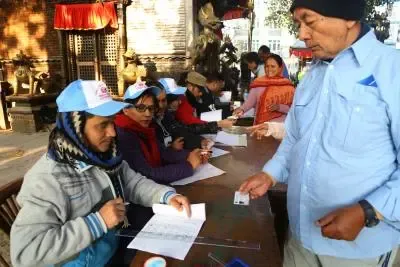
Kathmandu, March 5 (NationPress) As Nepal embarks on a *critical* mid-term electoral process today, following the *Gen Z protests of 2025* that led to the downfall of the previous K.P. Sharma Oli administration last September, all eyes are on the key figures behind this transformation – their current roles and future impact.
“Voting is underway; a new government will soon take office; however, our movement is far from finished. Our objective remains to demand *accountability*, promote *good governance*, and combat *corruption*. This mission continues,” declared 23-year-old *Amrita Ban*, a Gen Z activist.
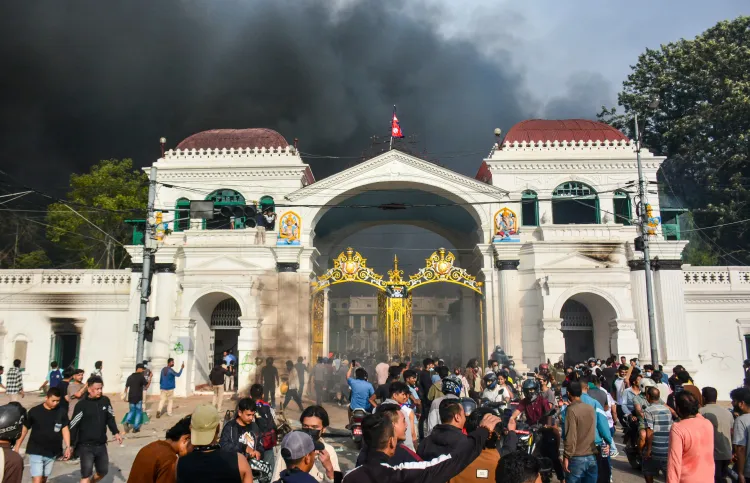
She spoke while gazing at the charred exterior of the state road department’s grand building in Kathmandu, lamenting that such destruction has been wrongly attributed to them, asserting that it was actually the work of “fringe groups” from various political factions in Nepal.
These structures punctuate Kathmandu's landscape, from governmental institutions – including the Parliament and Prime Minister’s Office – to private properties, serving as reminders of the 2025 uprising that precipitated this electoral event.
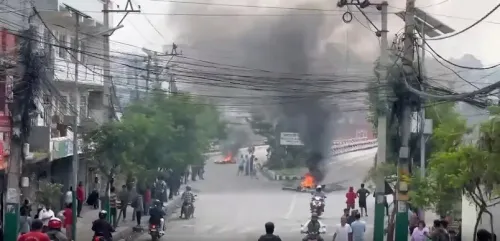
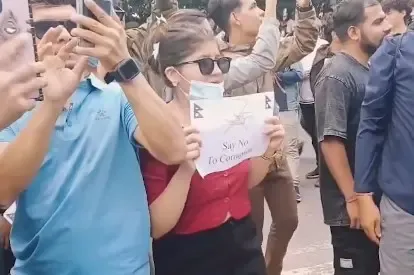
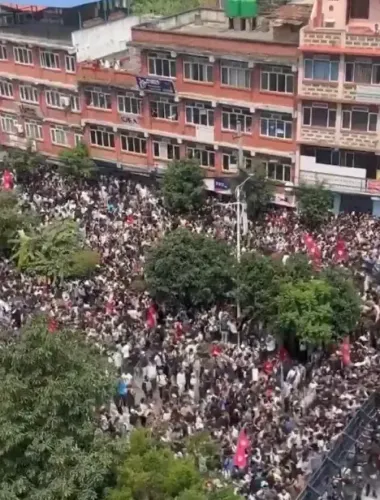
The youth protests, initially sparked by a governmental ban on major social media platforms, expanded to address broader issues such as *corruption*, *nepotism*, *inequality*, and *freedom of expression*. What began as peaceful demonstrations in Kathmandu and other cities quickly escalated into significant confrontations.
On September 8, 2025, police deployed lethal force to disperse demonstrators, resulting in the tragic deaths of at least 19 individuals, including a schoolboy. This brutal response ignited further outrage among protesters, ultimately leading to the resignation of the Oli administration.
“Regardless of which party ascends to power, Gen Z will act as vigilant watchdogs to ensure that the government prioritizes the nation and its people,” emphasized 25-year-old *Rajat Das Shreshtha*, a prominent musician and lead vocalist.
“The Gen Z demographic does not uniformly support a single party; some remain disengaged from this election. Others are still exploring alternatives, dissatisfied with the current political landscape,” he explained.
“With a new government taking office, we will extend our support, standing firmly with them in their pursuit of good governance; however, the quest for accountability from Gen Z will persist,” asserted the young musician.
The activists are demanding the release of an inquiry commission report investigating the deadly violence in September, appropriate compensation for victims' families, registration of all eligible voters, and the establishment of a political framework devoid of *corruption* and *nepotism*, among other requests.
“Many youth who participated in the 2025 protests are currently not aligned with any political party. Those who are involved in the election process will maintain a watchful eye on the new government’s actions,” echoed journalist *Bikas Acharya* from Kantipur Media Group.
Drawing parallels between the *2024 demonstrations in Bangladesh* and those in Nepal, Acharya pointed out a key distinction. “While there are notable similarities between the youth movements in Bangladesh and Nepal, the former saw some activists establish and register new political parties or run as independent candidates. Unfortunately, they struggled to gain traction, primarily due to a lack of a substantial political base,” he noted.
“In contrast, Nepali youth opted to support existing political parties of their choice rather than create their own. I believe this was a wise decision, as it allows them to maintain a mass base while remaining free from political obligations in their quest for accountability,” opined Acharya.
In fact, several Gen Z activists participating in the electoral process that IANS interviewed across various regions of Nepal expressed support for specific candidates rather than the parties they represent. For millennials like *Reecha Sharma*, a leading cine star in Nepal, the Gen Z movement served as a *wake-up call* for her and her contemporaries, who had largely remained detached from the nation’s electoral landscape.
During the 2025 protests, she actively engaged by sharing messages of support for the young demonstrators on her social media platforms. “People often perceived Gen Z as being solely absorbed in social media. However, they demonstrated their concern for the country. They are young and learning. I am optimistic that they will continue on this path,” concluded the model-actor.
Point of View
This electoral moment is not just about transitioning power; it's a critical opportunity for the youth to redefine accountability and governance in Nepal. Their vigilance will ensure that the newly elected officials uphold the principles of transparency and integrity, reflecting the aspirations of a generation eager for change.
NationPress
15 Oct 2026
Frequently Asked Questions
What prompted the Gen Z protests in Nepal?
The Gen Z protests were ignited by a government ban on major social media platforms, along with broader issues of corruption, nepotism, and limited freedom of expression.
What were the consequences of the protests?
The protests escalated into confrontations with police, resulting in at least 19 deaths, including that of a schoolboy, which ultimately led to the resignation of the K.P. Sharma Oli government.
What are the main demands of the Gen Z activists?
Activists are calling for an inquiry report on the September violence, compensation for victims' families, voter registration, and a political system free from corruption and nepotism.
How do Gen Z activists view the upcoming government?
Gen Z activists express a willingness to support the new government but emphasize their commitment to holding officials accountable for their actions.
What is the significance of the youth's role in these elections?
The youth's involvement is crucial as they seek to influence the political landscape, demanding transparency and accountability from elected officials.