India at UNGA 81: Terrorism, UN reform and Global South top New Delhi's agenda
Synopsis
As the 81st UNGA session opens in New York, India is arriving with a sharply defined playbook: demand Security Council reform, call out the permissive terrorism environment in Afghanistan, and press for developing nations to get a real seat at the table on peacekeeping mandates, climate finance, and global governance. New Delhi's dual role — as a rising power and a self-styled voice of the Global South — is on full display.
Key Takeaways
India is prioritising multilateral reform , counter-terrorism , and Global South representation at the 81st UNGA session in New York .
The general debate runs until 26 September , with a concluding session on 28 September , under the theme 'Restoring trust, managing transformation: A United Nations that delivers for all.' India warned at the Security Council that Al-Qaida's terror ecosystem has extended well beyond Afghanistan, with more than 20 terrorist groups still active in the country.
India demanded that troop- and police-contributing countries receive a structured voice in shaping UN peacekeeping mandates, and that resources match mission authorisations.
New Delhi has consistently called for expansion of both permanent and non-permanent Security Council membership , arguing the current structure reflects 1945 geopolitics, not today's realities.
India's engagement will also cover climate finance , digital access , food and energy security, and sovereign debt as part of its Global South advocacy.
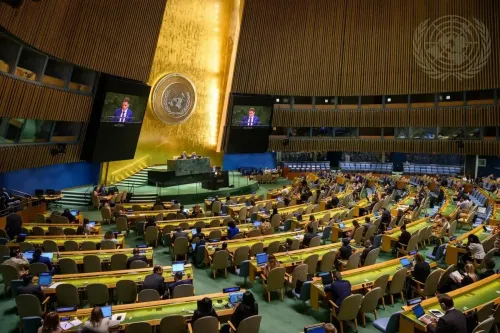
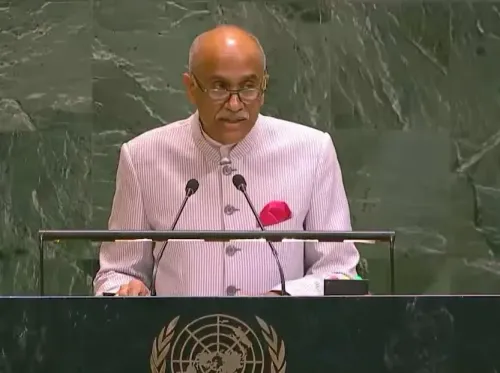
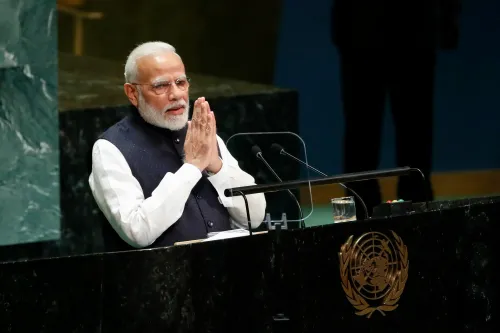
India is set to put multilateral reform, counter-terrorism, peacekeeping, and the priorities of the Global South at the centre of its engagement as world leaders converge on New York for the 81st session of the UN General Assembly (UNGA). The annual high-level general debate, which opened on Tuesday, 23 September 2026, unfolds against a backdrop of prolonged wars, humanitarian emergencies, economic instability, and deepening divisions among major powers.
The Stage and This Year's Theme
This year's overarching theme — 'Restoring trust, managing transformation: A United Nations that delivers for all' — sets the tone for a debate expected to run until 26 September, with a concluding session on 28 September. According to the UN, leaders are expected to address conflicts, humanitarian crises, artificial intelligence governance, climate action, sustainable development, and economic resilience. The discussions will test whether the multilateral system can renew itself under growing strain from geopolitical fragmentation.
India's Core Positions Ahead of the High-Level Week
New Delhi's formal statement is expected to press for international institutions that reflect 21st-century geopolitical and economic realities rather than the post-World War II order. India has consistently argued that developing countries remain structurally under-represented in bodies that shape decisions on international peace, finance, development, and technology — including a Security Council whose permanent membership has been unchanged since 1945.
Two Indian interventions at the Security Council in the days immediately preceding the general debate provided a preview of the themes New Delhi is likely to foreground during the high-level week.
Terrorism Warning: Afghanistan and Al-Qaida
During a Security Council meeting on Afghanistan, India's representative issued a sharp warning: 'Al-Qaida's terror ecosystem established its strategic depth beyond Afghanistan.' The delegate pointed out that several leaders who directed the September 11 attacks were 'not fugitives hiding in caves' but were instead apprehended in residential areas or urban locations — a pointed reference to the operational normalcy that extremist networks have achieved.
'The same permissive environment that sheltered the architects of 9/11 has in the years since continued to provide space, support and impunity to affiliates of Al-Qaida,' the Indian representative said. The Council was also told that more than 20 terrorist groups remain active inside Afghanistan. UN officials separately warned that the country's recovery is being undermined by the systematic exclusion of women and girls, weak economic growth, and a continuing humanitarian crisis.
Peacekeeping Reform: Resources Must Match Mandates
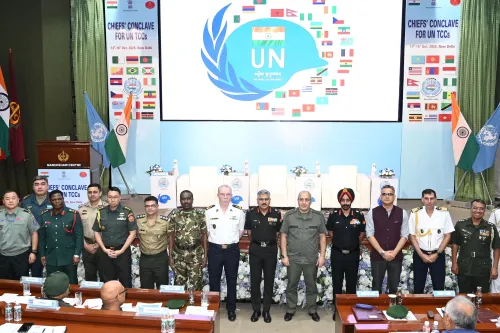
In a second Security Council debate — this one focused on peace operations — India demanded a structured and meaningful role for troop- and police-contributing countries (TCCs/PCCs) in shaping mission mandates before they are adopted or reviewed. India's representative stressed that mandates must be matched with adequate resources when missions are authorised, warning that 'peacekeepers are not asked to do more with less.' The delegate also flagged the growing threat of asymmetric and technologically enabled attacks on UN personnel in the field.
India is among the world's largest contributors of troops to UN peacekeeping missions, lending weight to its call for TCCs to have a formal voice in mandate design — a demand that has been a consistent element of Indian foreign policy at the UN.
Broader Agenda: Climate, Debt and the Global South
Several high-level meetings running alongside the general debate cover subjects with direct relevance to India's interests: climate action and just transition, pandemic prevention and preparedness, the right to development, sea-level rise, and the elimination of nuclear weapons. New Delhi has long positioned itself as a leading voice for developing nations on climate finance, food and energy security, digital access, and sovereign debt relief. How India links those development priorities with its harder-edged demands on cross-border terrorism and institutional reform will be closely watched by partners and observers through the remainder of the week.
Point of View
Rather than waiting for it. The Afghanistan terrorism warning is not new in substance, but its framing — pointing to urban safe havens rather than cave hideouts — signals a deliberate escalation in the specificity of the accusation, aimed at holding a named geography accountable. Meanwhile, the peacekeeping demand for structured TCC voice is strategically timed: as major contributors grow frustrated with mandates that outpace resources, India is positioning itself as the articulate representative of that frustration. The unresolved tension in New Delhi's UNGA strategy remains the gap between its reformist rhetoric — UN restructuring, climate justice, debt relief — and its limited institutional leverage to actually compel change from veto-holding permanent members.
NationPress
23 Sept 2026
Frequently Asked Questions
What is India's main agenda at the 81st UN General Assembly?
India is focusing on four key areas at UNGA 81: reform of the UN Security Council to better reflect current geopolitical realities, counter-terrorism action particularly regarding Afghanistan-based extremist networks, greater voice for troop-contributing nations in peacekeeping mandates, and advocacy for Global South priorities including climate finance and digital access.
What did India say about Al-Qaida and terrorism at the Security Council?
India's representative warned that Al-Qaida's terror ecosystem has established strategic depth beyond Afghanistan, noting that several architects of the September 11 attacks were caught in residential or urban settings rather than remote hideouts. India argued that the same permissive environment continues to shelter Al-Qaida affiliates, and the Council was told over 20 terrorist groups remain active in Afghanistan.
What is India's position on UN Security Council reform?
India has long demanded expansion of both permanent and non-permanent membership of the Security Council, arguing the current five-permanent-member structure reflects 1945 post-war geopolitics rather than the 21st century's distribution of population, economic weight, and political influence. New Delhi contends developing countries are structurally under-represented in bodies that shape global peace and finance decisions.
What is India demanding on UN peacekeeping?
India called for troop- and police-contributing countries to have a formal, structured role in shaping peacekeeping mandates before they are adopted or reviewed. It also demanded that mission authorisations be matched with adequate resources, and flagged the growing threat of asymmetric and technologically enabled attacks on UN peacekeepers.
When does the UNGA 81 general debate conclude?
The high-level general debate opened on Tuesday, 23 September 2026, and is scheduled to continue until 26 September, with a concluding session on 28 September. This year's theme is 'Restoring trust, managing transformation: A United Nations that delivers for all.'