PoJK crackdown: Global silence lets Pakistan normalise violence and rigged polls
Synopsis
Over 100 people have reportedly been killed in PoJK since June as Pakistani security forces fired on protesters and civil society marches. A communications blackout active since 5 June and sweeping new press restrictions have shut out independent scrutiny — and the European Times report warns that global inaction is making this violent new normal permanent.
Key Takeaways
More than 100 residents of PoJK have reportedly been killed since June 2026 in firing incidents by Pakistani security forces .
JAAC says 20 supporters were shot on 27 July during a march toward Muzaffarabad , with at least 10 more killed the next day in Rawalakot and Mirpur .
Legislative elections on 2 August were marred by postponements, ballot-rigging allegations, and a lockdown in Muzaffarabad .
A telecommunications blackout has been in effect since 5 June , with connectivity severely restricted across the region.
Pakistan's Foreign Media Facilitation Guidelines 2026 require foreign journalists to obtain prior approval to report outside three major cities, effectively barring access to PoJK.
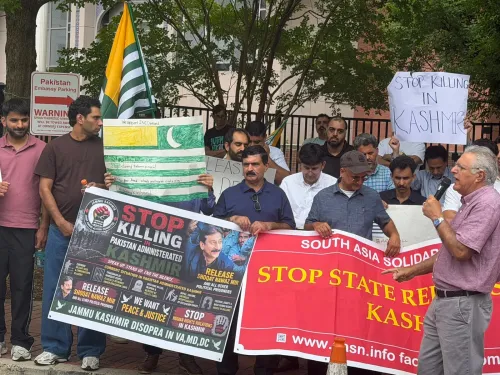
A European Times report calls on governments to demand an independent probe, restore communications, and lift the terrorism tag on JAAC .
The international community's prolonged inaction over the deteriorating situation in Pakistan-occupied Jammu and Kashmir (PoJK) has effectively allowed Islamabad to treat systematic repression as business as usual, according to a detailed report published by the European Times. The report, cited from Brussels on 26 September 2026, calls on foreign governments to demand accountability and push for an independent inquiry into the killings of protesters in the region.
Scale of the Crackdown
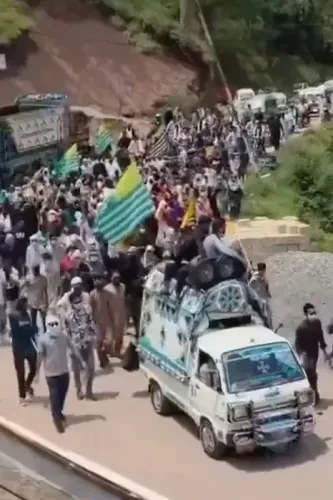
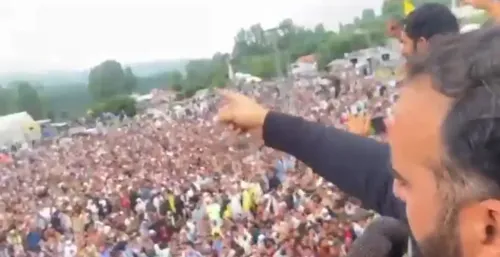
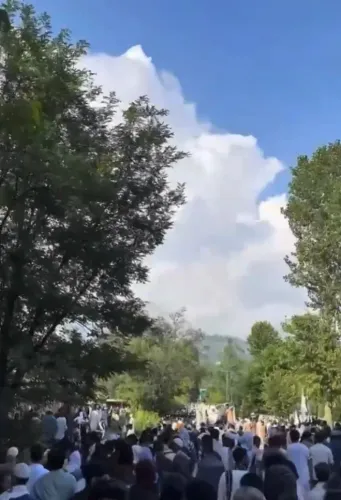
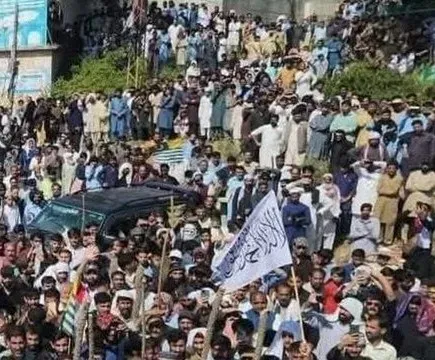
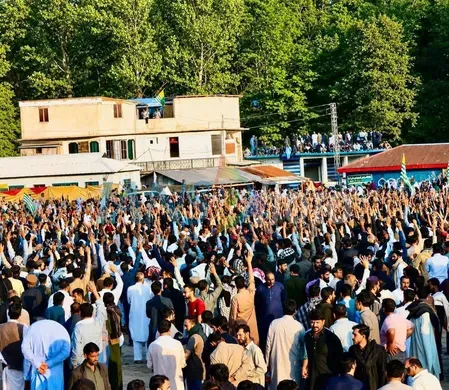
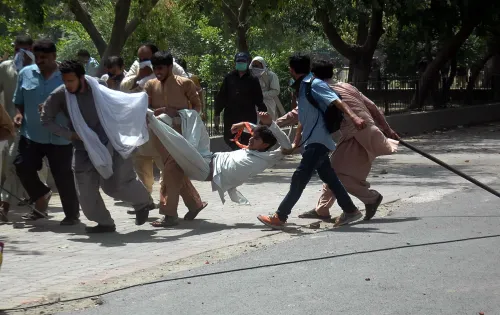
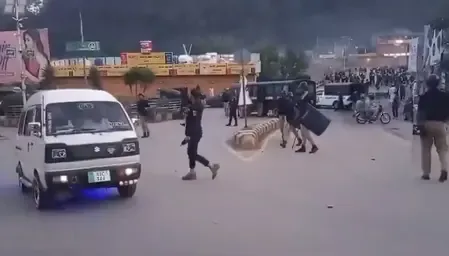
According to the European Times report, more than 100 residents of PoJK have lost their lives since June, with hundreds more injured in firing incidents attributed to Pakistani security forces. The civil society group Joint Awami Action Committee (JAAC) stated that 20 of its supporters were shot during a march on 27 July towards Muzaffarabad, with at least 10 more killed the following day in Rawalakot and Mirpur.
International media reportedly verified footage from Rawalakot and Muzaffarabad showing crowds fleeing under fire. Witnesses described Pakistani forces deploying snipers and light machine guns along the route of the march, according to the report.
Sham Elections Amid Unrest
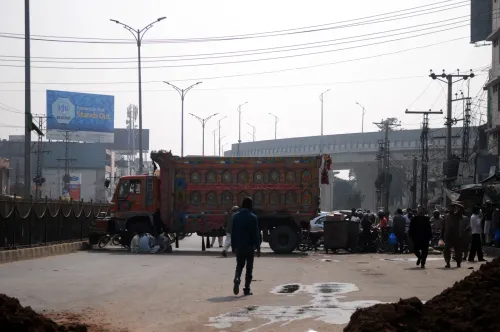
The report notes that so-called legislative elections in PoJK unfolded against the backdrop of this violent crackdown. On 21 July, the Election Commission announced a phased voting schedule structured around the period of unrest rather than any coherent electoral logic. Muzaffarabad had already been under lockdown for two days before voting commenced on 2 August, with the city reportedly appearing to have already opted out of the process.
Voting in seven constituencies in Poonch and Sudhnoti was postponed indefinitely, two Muzaffarabad seats were deferred, and re-polling was ordered at 23 stations in Bagh. The Pakistan Peoples Party (PPP) alleged that polling staff in one Muzaffarabad constituency abandoned their posts and were found in possession of official polling bags and ballot papers at the residence of a Pakistan Muslim League-Nawaz (PML-N) supporter. Vote-rigging allegations and supporting videos circulated on social media, reinforcing claims that the elections were, in the report's words, 'a sham.'
Communications Blackout and Press Restrictions
Independent verification of these events remains nearly impossible, underlining what critics describe as a deliberate information blackout. Internet watchdogs reported that a telecommunications shutdown began on 5 June, severely restricting connectivity across PoJK.
Compounding the information blockade, Pakistan's Foreign Media Facilitation Guidelines 2026 now require foreign journalists to obtain prior approval and a 'No Objection Certificate' before reporting from areas outside Islamabad, Lahore, and Karachi. This effectively bars independent access to PoJK, according to the European Times.
What the International Community Is Being Asked to Do
The report argues that foreign governments must move beyond silence and take concrete steps: demanding the restoration of communications, calling for the removal of the terrorism designation placed on the JAAC, pressing for an independent probe into the killings, and securing full access for journalists and independent observers. The report notes that continued inaction risks permanently entrenching Pakistan's grip on the territory under a veneer of normalcy.
With elections concluded under duress, a media blackout still largely in force, and no international inquiry announced, the situation in PoJK is likely to intensify scrutiny at multilateral forums in the weeks ahead.
Point of View
New press-access guidelines, a terrorism label on a civil society group, and elections engineered around a period of active repression. The international community's silence is not passive neglect; it functions as active enablement. India has long raised PoJK conditions at multilateral forums but with limited traction. Until external pressure materialises in tangible form — sanctions, formal condemnations, or UN mechanisms — Islamabad has little incentive to change course.
NationPress
26 Sept 2026
Frequently Asked Questions
What is happening in Pakistan-occupied Jammu and Kashmir (PoJK)?
According to a report in the European Times, over 100 residents of PoJK have been killed since June 2026 in firing incidents by Pakistani security forces. The crackdown followed protests led by the civil society group JAAC, and a telecommunications blackout active since 5 June has severely restricted information flow from the region.
Who is the Joint Awami Action Committee (JAAC) and why has it been designated a terrorist organisation?
The JAAC is a civil society group in PoJK that has led protests against Pakistani rule. Pakistani authorities have reportedly designated it a terrorist organisation; the European Times report calls on foreign governments to demand the removal of this designation, arguing it is being used to criminalise legitimate dissent.
Were the July-August 2026 elections in PoJK considered free and fair?
According to the European Times report, the elections were widely regarded as a sham. Voting in seven constituencies was postponed indefinitely, two Muzaffarabad seats were deferred, and the PPP alleged ballot-paper fraud involving a PML-N supporter. The elections were held while Muzaffarabad was under lockdown, and the schedule itself appeared structured around the period of unrest.
Why is independent verification of events in PoJK difficult?
A telecommunications shutdown imposed on 5 June 2026 has severely curtailed connectivity in PoJK. Pakistan's Foreign Media Facilitation Guidelines 2026 additionally require foreign journalists to obtain prior approval and a No Objection Certificate before reporting outside Islamabad, Lahore, and Karachi, effectively preventing access to the occupied territory.
What is the international community being asked to do about PoJK?
The European Times report calls on foreign governments to demand accountability from Pakistan, press for the restoration of communications, seek an independent probe into the killings of protesters, lift the terrorism designation on JAAC, and ensure full access for journalists and independent observers in PoJK.