Greece bans social media for under-15s from January 2027

Synopsis
Greece has passed a law banning children under 15 from social media, effective January 2027 — with fines of up to 6% of global turnover for non-compliant platforms. It aims to become the first EU member state to enforce such a restriction, even as France's similar attempt was struck down as unconstitutional.
Key Takeaways
The Greek parliament has approved a ban on social media access for children under 15 , effective 1 January 2027 .
Social media platforms must implement age-verification measures or face fines of up to 6% of global annual turnover.
Greece aims to be the first EU member state to enforce such a restriction.
France 's similar ban was struck down as unconstitutional by the French Constitutional Council on 14 August .
Australia banned social media for under-16s in December 2024 under the Online Safety Amendment (Social Media Minimum Age) Bill 2024 .
The Greek parliament has passed legislation banning children under the age of 15 from accessing social media platforms, with the law set to take effect from 1 January 2027. The move positions Greece as a potential pioneer among European Union member states in imposing such a restriction, according to Greek media reports.
What the Law Requires
Under the new legislation, social media companies must implement age-verification measures to ensure compliance with the ban. Platforms that fail to meet these requirements could face fines of up to 6 per cent of their global annual turnover — a penalty structure modelled on existing EU digital regulation frameworks.
What the Government Said
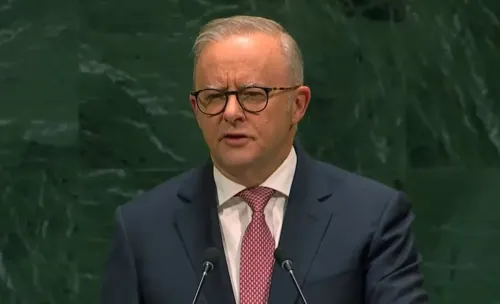
Digital Governance and Artificial Intelligence Minister Dimitris Papastergiou addressed parliament ahead of the vote on Thursday evening, describing the measure as both necessary and aligned with the EU's existing regulatory architecture. 'It would have been very easy to do absolutely nothing today and wait for the perfect European law. But the challenge is here. Children are sinking into the internet every day, and I believe a responsible government must do what it is obliged to do,' he said.
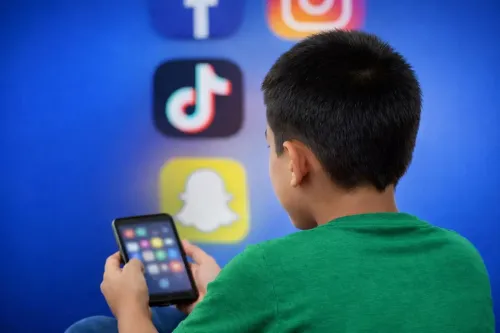
Minister of State Akis Skertsos argued that technology must be regulated in ways that give children greater freedom to grow up safely. Health Minister Adonis Georgiadis framed digital addiction as a public health challenge, warning that excessive social media use can negatively affect children's sleep, concentration, social relationships, and psychological development.
Broader Context and Global Comparisons
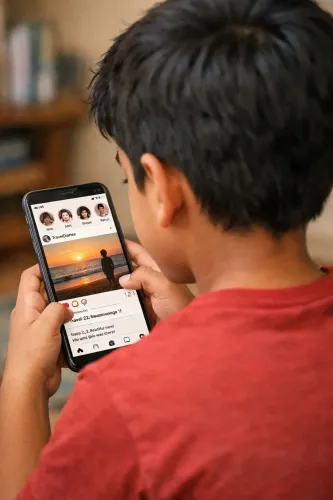
The legislation is part of broader government efforts to shield children from harmful online content, cyberbullying, and platform design features that encourage excessive use. This comes amid a growing international push to regulate minors' access to social platforms.
Australia banned social media for children under 16 in December 2024, after the federal parliament passed the Online Safety Amendment (Social Media Minimum Age) Bill 2024 in November of that year, requiring platforms to take 'reasonable steps' to prevent underage account creation.
In France, parliament passed legislation on 21 July aimed at protecting minors from social media risks. However, the French Constitutional Council ruled on 14 August that the key provision banning under-15s was unconstitutional — a legal hurdle Greece will now need to navigate as the law comes into force.
What Happens Next
With enforcement set to begin in early 2027, Greece's approach will be closely watched by other EU governments weighing similar measures. The compatibility of the law with the bloc's broader digital regulation framework remains a key question, particularly in light of France's constitutional setback. Platform compliance timelines and the robustness of age-verification technology will be central to the law's real-world effectiveness.
Point of View
A precedent Athens cannot ignore. The 6% of global turnover penalty gives the law real teeth, mirroring GDPR's enforcement model, but the harder challenge is technical: age verification at scale remains an unsolved problem across every jurisdiction that has attempted it. More broadly, the race among democracies to regulate minors' social media access reflects a genuine policy failure — platforms designed addictive features for children long before governments moved to act. Whether Greece's law survives legal challenge and achieves real compliance will determine whether it becomes a model or a cautionary tale for the rest of the EU.
NationPress
24 Oct 2026
Frequently Asked Questions
What has Greece passed regarding social media and children?
The Greek parliament has passed a law banning children under 15 from accessing social media, taking effect from 1 January 2027. Platforms that fail to implement required age-verification measures could face fines of up to 6% of their global annual turnover.
Will Greece be the first EU country to ban social media for minors?
Greece aims to be the first EU member state to enforce such a restriction. France passed similar legislation but its key provision was struck down as unconstitutional by the French Constitutional Council on 14 August, leaving Greece in a position to lead the bloc if its own law withstands legal scrutiny.
How does Greece's ban compare to Australia's social media age restriction?
Australia banned social media for children under 16 in December 2024 through the Online Safety Amendment (Social Media Minimum Age) Bill 2024. Greece's law sets the age threshold at 15 and is due to take effect from January 2027, making Australia's restriction both earlier and covering a slightly older age group.
What penalties do social media platforms face under the Greek law?
Companies that fail to comply with the age-verification requirements can be fined up to 6% of their global annual turnover. The penalty structure is modelled on existing EU digital and data regulation frameworks.
Why did the Greek government push for this legislation?
Ministers cited digital addiction as a public health challenge, warning that excessive social media use harms children's sleep, concentration, social relationships, and psychological development. The law also aims to protect minors from harmful online content and cyberbullying.