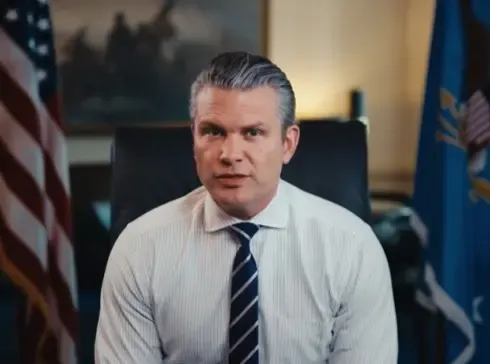
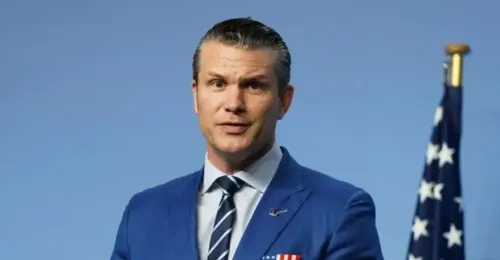
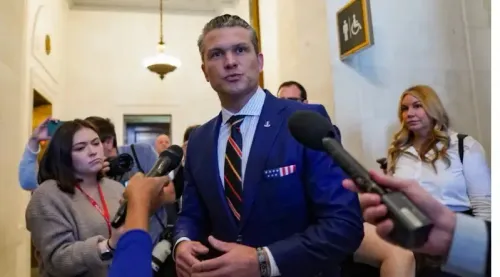
Hegseth at Shangri-La: Allies must hit 3.5% GDP defence spend to counter China
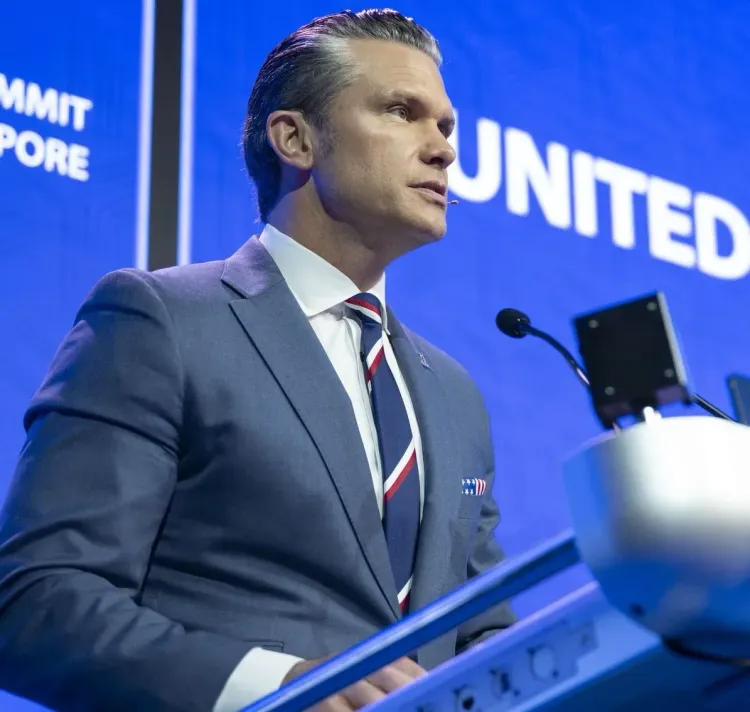
Synopsis
Pete Hegseth used the Shangri-La Dialogue to deliver Washington's bluntest message yet to Indo-Pacific allies: match America's commitment in dollars and hardware, or expect fewer US defence guarantees. With a 3.5% GDP spending target, a $1.5 trillion US military outlay on the table, and live tensions over Taiwan, South Korea's OPCON, and Iran, the speech marks a clear shift from alliance management to alliance accountability.
Key Takeaways
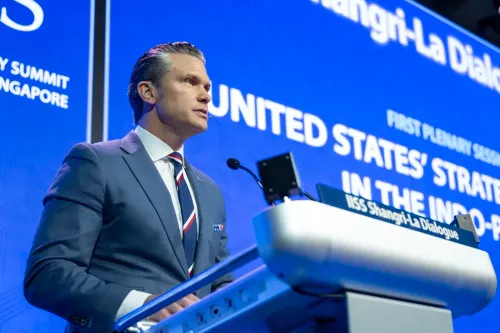
Pete Hegseth spoke at the Shangri-La Dialogue in Singapore on 31 May , calling on Indo-Pacific allies to raise defence budgets to 3.5% of GDP .
The US is investing nearly $1.5 trillion in military capabilities, according to Hegseth.
Hegseth declared the era of American defence subsidies for prosperous allies is ending, echoing President Trump 's burden-sharing stance.
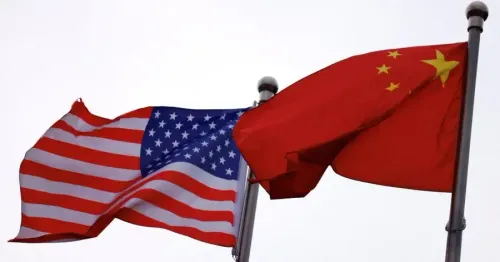
Despite concerns over China 's military build-up, Hegseth acknowledged improved US-China military-to-military communication.
On South Korea , he called for a 'balance' in the OPCON transfer timeline, praising Seoul's ambition while stressing continuity of US commitments.
Japan was singled out for praise as a model of deepened defence cooperation with Washington.
US Defence Secretary Pete Hegseth on 31 May called on Indo-Pacific allies to sharply raise defence spending and expand military capabilities, framing stronger deterrence as the only credible answer to China's growing regional footprint. Speaking at the Shangri-La Dialogue in Singapore, Hegseth said the era of Washington subsidising the defence of prosperous allies is drawing to a close.
The Spending Demand
Hegseth urged partner nations to raise defence budgets to roughly 3.5 per cent of GDP, while noting that the United States itself is investing nearly $1.5 trillion in military capabilities. He argued that the Indo-Pacific needs tangible assets — ships, submarines, and integrated defence systems — rather than further rounds of security dialogue. The message echoed President Donald Trump's longstanding position that wealthy allies must shoulder a greater share of collective defence costs.
China, Communication, and Deterrence
Despite his hawkish framing on Beijing's military build-up, Hegseth acknowledged that US-China military-to-military communication has improved in recent months. He said these channels are helping manage tensions, even as the broader bilateral relationship remains complex. Chinese delegate Zhou Bo welcomed what he described as a more measured tone in Hegseth's remarks compared with previous years, suggesting that sustained diplomatic engagement had kept communication channels open and reduced the risk of miscalculation.
Taiwan, South Korea OPCON, and the Middle East
On Taiwan, Hegseth declined to comment on reports of a potential new US arms package for the island, reiterating only that Washington's policy toward Taipei remains unchanged and that arms-sale decisions rest with President Trump. On South Korea, he called for finding a 'balance' in the transfer of wartime operational control (OPCON) that honours the longstanding role of US forces on the Korean Peninsula. He described Seoul's desire to retake OPCON 'more quickly' as a 'breath of fresh air,' even as differing views between the two capitals over timing reportedly persist. On the Middle East, Hegseth said the US remains prepared to resume military strikes on Iran if diplomatic efforts fail, while asserting Washington's capacity to manage both Asian and Middle Eastern security simultaneously.
Allies in Focus
Hegseth specifically praised Japan for deepening defence cooperation and enhancing military readiness alongside US forces, holding Tokyo up as a model for the kind of burden-sharing Washington expects from regional partners. He stressed that building a robust network of capable allies is essential to preserving the balance of power across the Indo-Pacific and demonstrating what he called 'strength and disciplined leadership.'
What Comes Next
The Shangri-La Dialogue remarks set the tone for upcoming bilateral defence consultations across the region. Whether Indo-Pacific partners — many of whom balance economic ties with China against security dependence on the US — move to meet Washington's 3.5% GDP benchmark will be the real measure of Hegseth's push. The OPCON transition timeline with South Korea and the status of a potential Taiwan arms package are two near-term flashpoints to watch.
Point of View
A balance that is increasingly difficult to maintain. The OPCON question with Seoul is the most under-reported thread: a rushed transition could create command-and-control gaps that neither ally can afford. Mainstream coverage has focused on the China headline; the Korea and Taiwan dimensions carry equal strategic weight.
NationPress
23 Sept 2026
Frequently Asked Questions
What did Pete Hegseth say at the Shangri-La Dialogue?
US Defence Secretary Pete Hegseth urged Indo-Pacific allies to raise defence spending to around 3.5% of GDP and invest in tangible military assets such as ships, submarines, and defence systems. He said the era of American defence subsidies for wealthy allies is ending and that the region needs stronger deterrence to counter China's military expansion.
Why is the 3.5% GDP defence spending target significant?
The 3.5% target exceeds the 2% benchmark that NATO members are expected to meet, making it one of the most ambitious spending demands Washington has publicly set for its allies. For most Indo-Pacific partners, meeting this level would require substantial budget reallocations at a time of competing economic pressures.
What did Hegseth say about China at the Singapore forum?
Hegseth expressed concern over China's military build-up but acknowledged that US-China military-to-military communication has improved in recent months. He said these channels are helping manage tensions even as the broader bilateral relationship remains complex.
What is the OPCON transfer and why is it in the news?
Wartime operational control (OPCON) refers to command authority over South Korean and US forces on the Korean Peninsula during a conflict, currently held by the US-led Combined Forces Command. Hegseth called for a 'balanced' transition timeline that honours longstanding US commitments, amid reports of differing views between Seoul and Washington over how quickly the transfer should happen.
What did Hegseth say about Taiwan and Iran?
On Taiwan, Hegseth declined to confirm reports of a new US arms package, saying Washington's policy toward the island is unchanged and that arms-sale decisions rest with President Trump. On Iran, he said the US remains prepared to resume military strikes if diplomatic efforts fail.