Hegseth defends Iran war as necessary, dismisses impeachment threat
Synopsis
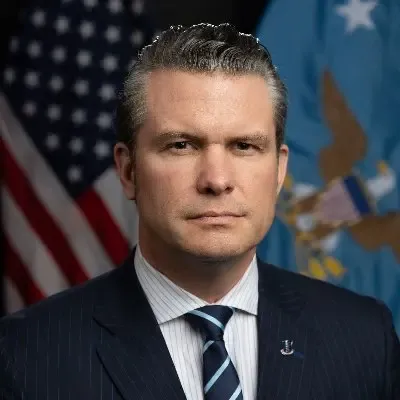
US Defense Secretary Pete Hegseth walked into the Naval War College and delivered a defiant defence of the Iran war — framing it as necessary rather than popular — while shrugging off impeachment and demanding Republicans back a historic military funding package. The remarks land as the Iran conflict's political fallout deepens and an internal Republican blame war over the midterms quietly escalates.
Key Takeaways
Pete Hegseth defended the Iran war as necessary, aligning with President Trump's position that the action would be taken again.
Hegseth cited operations Midnight Hammer and Epic Fury as responses to Iran's alleged nuclear ambitions and missile shield construction.
He dismissed impeachment concerns, saying “we’re not worried about that,” without providing a Republican vote count.
A reportedly circulating vice-presidential social media post linked the Iran war to Republican midterm losses ; Hegseth declined to address the internal rift.
Hegseth urged Republicans to pass a reconciliation bill covering intelligence technology, space, Iron Dome , munitions, and shipbuilding within the next two months .
Reforms to senior military colleges are expected after an 18-month evaluation, with a focus on warfighting and deterrence.
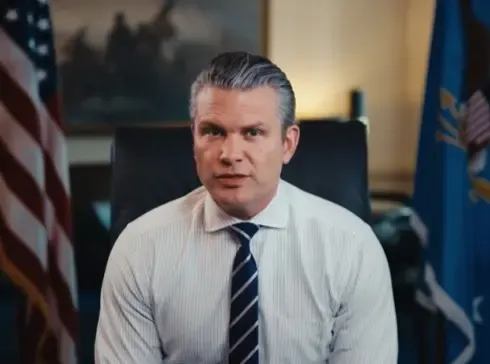
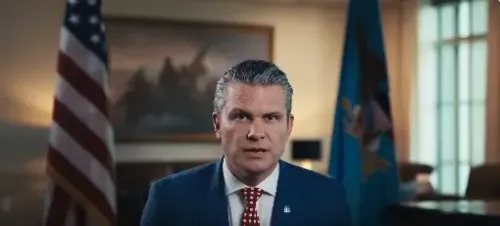
US Secretary of Defense Pete Hegseth on Monday defended the ongoing war in Iran as a necessary action despite its reported electoral cost to Republicans, brushed aside looming impeachment efforts, and pressed lawmakers to pass a sweeping military funding package. His remarks, delivered to reporters after a speech at the Naval War College in Washington, offered the clearest public articulation yet of the administration's posture on the Iran conflict.
War Was Necessary, Not Just Popular
Hegseth aligned himself squarely with President Donald Trump's position that the military action against Iran was justified and would be taken again if circumstances demanded. “This was a — it doesn’t have to be necessarily popular, but it can be necessary,” he said. His remarks came after a reporter raised a reportedly circulating social media post attributed to the vice president, which claimed pollsters believed the Iran war was the primary reason Republicans suffered losses in the midterm elections.
Hegseth declined to engage with the internal blame narrative. “Well, I appreciate the Vice President very much, and I’m not going to get in the middle of a finger-pointing exercise,” he said, characterising the vice president as a substantive member of the team who provides candid feedback.
Iran's Nuclear Ambitions and Military Operations Cited
Hegseth mounted a detailed defence of the decision to confront Iran, arguing that Tehran had been constructing a conventional missile shield specifically designed to prevent outside powers from disrupting its nuclear weapons programme. He cited two operations — Midnight Hammer and Epic Fury — as the administration's direct responses to that threat. He stopped short of specifying what conditions would formally end the war, saying only that President Trump retained the operational advantage and could choose to halt military activity, while warning Tehran against moving nuclear material.
“Whatever he wants to do is his prerogative, and the War Department is prepared to give him the tools to execute on that,” Hegseth added.
Impeachment Concerns Dismissed
When asked whether he had secured sufficient Republican support to defeat impeachment articles expected that week, Hegseth expressed confidence without providing a vote count. “Oh, we’re not worried about that,” he said. He characterised the removal effort as politically motivated, arguing that critics were effectively attacking successful military operations and the accomplishments of US troops rather than raising substantive concerns about his conduct.
Military Funding Identified as Top Priority
Hegseth described securing military funding as his department’s most urgent priority over the next two months, urging Republicans to unite behind a reconciliation bill he called a historic investment. Among the stated priorities were intelligence technology, space capabilities, the Iron Dome missile defence system, munitions production, and shipbuilding. He provided no overall funding figure or legislative timeline.
He also credited the administration with extracting greater defence contributions from European partners, deepening counter-cartel cooperation in Latin America, and reinforcing alliances across the Pacific.
Military College Reforms on the Horizon
Hegseth indicated that significant structural changes to senior military colleges would follow the conclusion of an evaluation that has been under way for nearly 18 months. The reforms, he said, would refocus curricula on warfighting, conflict deterrence, and winning wars — a signal that the administration intends to reshape the institutional culture of the armed forces' professional education system.
Point of View
An internal Republican fracture, and a credibility challenge at home. The conspicuous silence on impeachment vote counts — combined with the ‘we’re not worried’ deflection — suggests the numbers may be tighter than the bravado implies. More telling is the unresolved tension between the vice president’s reported midterm post-mortem and Hegseth’s refusal to engage: open splits this close to a contested funding battle are rarely contained. The absence of any formal end-state for the Iran war — no conditions, no timeline, no benchmarks — is the detail mainstream coverage is underplaying. Wars without publicly defined exit criteria have a way of becoming permanent budget commitments.
NationPress
10 Nov 2026
Frequently Asked Questions
Why did Pete Hegseth defend the Iran war at the Naval War College?
Hegseth used his appearance at the Naval War College to publicly reaffirm the administration’s position that the Iran war was a necessary response to Tehran’s nuclear ambitions, not merely a political choice. His remarks came amid reports that the conflict was a leading factor in Republican midterm losses, making a public defence strategically important for the administration.
What are operations Midnight Hammer and Epic Fury?
Hegseth cited Midnight Hammer and Epic Fury as the military operations the Trump administration conducted in response to Iran’s alleged construction of a conventional missile shield designed to protect its nuclear programme. He provided no additional details on the scope or current status of those operations.
Is Pete Hegseth facing impeachment?
Impeachment articles were reportedly expected before Congress that week. Hegseth dismissed the threat, saying the administration was ‘not worried,’ and characterised the effort as politically motivated attacks on successful military operations rather than a substantive challenge. He did not provide a Republican vote count.
What military funding is Hegseth pushing for?
Hegseth identified a reconciliation bill covering intelligence technology, space capabilities, the Iron Dome missile defence system, munitions production, and shipbuilding as the War Department’s top legislative priority over the next two months. He called it a historic investment but did not specify a dollar figure or a legislative timeline.
What changes are planned for US military colleges?
Hegseth said substantial reforms to senior military colleges would follow the completion of an evaluation that has been running for nearly 18 months. The changes are intended to place greater emphasis on warfighting skills, conflict deterrence, and winning wars, signalling a cultural shift in how the military trains its senior officers.