Bangladesh's new laws weaken human rights safeguards, HRW warns
Synopsis
Human Rights Watch says Bangladesh's new BNP government has passed three laws in September 2026 that strip the national human rights body of independence and rename — rather than abolish — the RAB paramilitary force. Critics say this is reform in name only, with fewer safeguards than before.
Key Takeaways
Human Rights Watch (HRW) flagged three laws passed by Bangladesh's Parliament in September 2026 as undermining human rights commitments.
The NHRC has been stripped of independence, with government control restored over appointments and budgets.
The RAB was nominally abolished but replaced by the Special Response Battalion (SRB) , operational from 16 September , with the same logo and fewer safeguards.
Elaine Pearson , Asia Director at HRW, warned the changes offer 'no reason to trust' killings and disappearances will end.
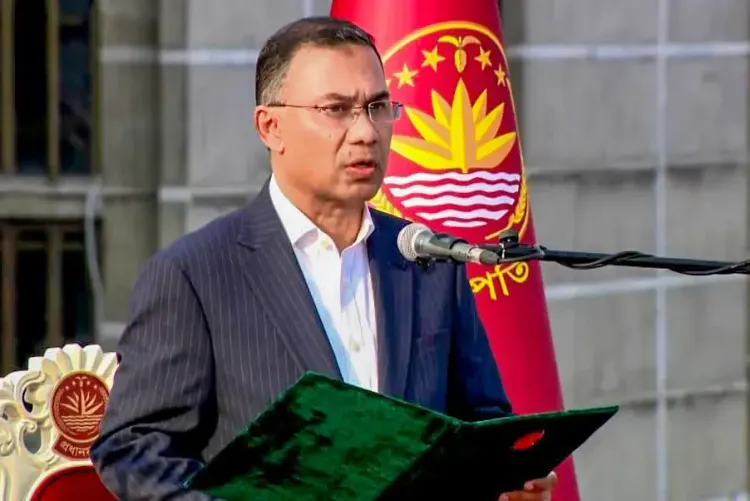
HRW has called on the EU and UK to formally raise concerns with the BNP government led by Prime Minister Tarique Rahman .
Human Rights Watch (HRW) on 23 September 2026 warned that three laws passed by Bangladesh's Parliament in September 2026 have significantly weakened human rights protections and broken the ruling Bangladesh Nationalist Party's (BNP) pre-election pledges on reform. The US-based advocacy group said the legislation undermines institutional independence and shields security forces from accountability.
Laws That Raise Alarm
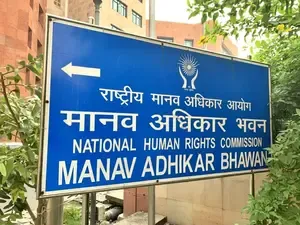
According to HRW, the Prime Minister Tarique Rahman-led BNP government has enacted legislation that strips Bangladesh's National Human Rights Commission (NHRC) of its independence and curtails its investigative authority. One law, passed on 6 September following a walkout by opposition legislators, bars the NHRC from directly investigating alleged rights violations by security forces.
Under the new framework, the commission can only request a report from the accused agency. A 'vaguely worded provision', as HRW described it, appears to permit independent NHRC inquiries only if the agency fails to respond or its report is deemed unsatisfactory — a significant procedural constraint. The law also reportedly restores government control over NHRC appointments, reduces budgetary and administrative independence, and downgrades the status of the National Preventive Mechanism.
RAB Renamed, Not Disbanded
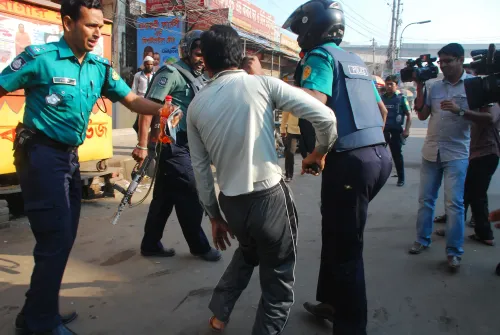
The most contested measure concerns the Rapid Action Battalion (RAB), a paramilitary force long criticised for extrajudicial killings, enforced disappearances, and torture. Bangladesh's parliament passed the Special Response Battalion Act on 10 September, nominally abolishing the RAB. However, HRW noted that the law effectively renames the force as the Special Response Battalion (SRB) — which began operating on 16 September — while transferring all personnel, powers, property, and records. Even the logo, HRW observed, remains unchanged, with only the letters 'RAB' replaced by 'SRB'.
HRW said the new body operates with fewer safeguards than those applicable to the regular police, raising fears that the structural abuses associated with the RAB will persist under a different name.
HRW Quotes and Key Concerns
Elaine Pearson, Asia Director at HRW, expressed grave concern: 'The new government's efforts to shield security forces from scrutiny and accountability offer no reason to trust that killings and disappearances will remain a thing of the past.'
This comes amid broader international scrutiny of Bangladesh's post-election governance trajectory. Notably, the walkout by opposition legislators during the 6 September session drew attention to the contested nature of the legislative process itself.
International Partners Called to Act
HRW has urged Bangladesh's international partners — specifically the European Union and the United Kingdom — to formally and publicly express concern over the human rights record and emerging policy direction of the new government. The group's appeal signals escalating pressure on Western partners to condition engagement with Dhaka on demonstrable rights commitments.
With Bangladesh's democratic transition under close international watch, these legislative moves are likely to shape foreign policy responses and development partnerships in the months ahead.
Point of View
Where independent oversight bodies are hollowed out precisely when they are most needed. The question for Bangladesh's international partners — particularly the EU and UK — is whether they treat these laws as negotiating points or red lines. Their response will define whether external pressure remains a meaningful check on Dhaka's governance direction.
NationPress
23 Sept 2026
Frequently Asked Questions
What are the three laws passed by Bangladesh's parliament that HRW criticised?
The three laws passed in September 2026 include legislation weakening the NHRC's independence, a measure curtailing its investigative powers over security forces, and the Special Response Battalion Act that nominally abolished the RAB but replaced it with the SRB. HRW says all three collectively undermine human rights protections.
Was the RAB actually abolished under Bangladesh's new law?
No, according to HRW. The Special Response Battalion Act, passed on 10 September 2026, renamed the RAB as the Special Response Battalion (SRB), which began operating on 16 September. All personnel, powers, and records were transferred, and even the logo was retained with only the acronym changed.
How has Bangladesh's NHRC been affected by the new legislation?
The new law bars the NHRC from directly investigating rights violations by security forces, restores government control over appointments, and reduces budgetary independence. A vaguely worded clause may permit limited independent inquiries in narrow circumstances, but HRW views the overall changes as a significant rollback.
What has Human Rights Watch called on international partners to do?
HRW has urged the European Union and the United Kingdom to formally and publicly express concern over the human rights record and policies of Bangladesh's BNP government led by Prime Minister Tarique Rahman.
Who is Elaine Pearson and what did she say?
Elaine Pearson is the Asia Director at Human Rights Watch. She said: 'The new government's efforts to shield security forces from scrutiny and accountability offer no reason to trust that killings and disappearances will remain a thing of the past,' expressing grave concern over the new legislation.