Hungary orders Danube weir to shield Paks nuclear plant from low water

Synopsis
Hungary is racing to drop 110,000 cubic metres of rock into the Danube to keep its only nuclear power plant running — because the alternative, a full Paks shutdown, would cost the state 50 billion forints every month. With no rain forecast for weeks, this emergency weir is the difference between Hungary keeping its lights on and a prolonged energy crisis.
Key Takeaways
Hungary has ordered immediate construction of a submerged weir on the Danube to protect the Paks nuclear power plant , announced on 12 August .
Construction begins Thursday between Paks and Dunaszentbenedek , using up to 110,000 cubic metres of rock.
The weir is designed to keep the cooling-water channel above minus 90 cm and could raise local water levels by up to one metre .
Two 80-metre barges are on standby and may be sunk to raise levels by 20 cm as a temporary measure; decision expected Friday .
Total intervention cost estimated at six billion forints (~$18 million); a full plant shutdown would cost at least 50 billion forints per month .
Around 100 soldiers are deployed, with round-the-clock work planned on the priority project.
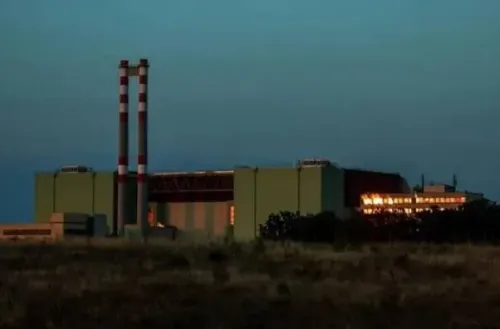
Hungary has ordered the immediate construction of a submerged weir on the Danube to protect the Paks nuclear power plant from critically low river levels that threaten its cooling operations, Prime Minister Peter Magyar announced on Wednesday, 12 August. The decision, taken after an on-site government meeting at the plant, signals the severity of a water crisis that officials warn could persist for months.
Construction Details and Timeline
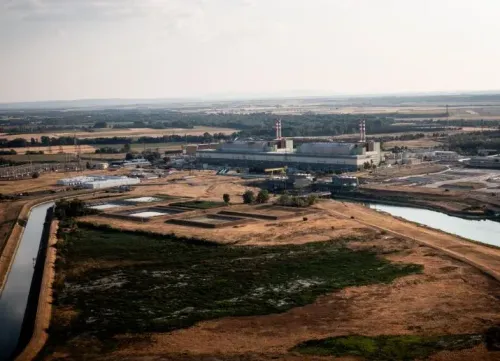
Work is set to begin on Thursday between Paks and Dunaszentbenedek, starting with 35,000 cubic metres of rock and scaling up to 110,000 cubic metres in later phases. The submerged structure is engineered to prevent the Danube's water level at the plant's cooling-water channel from dropping below minus 90 centimetres, and could raise the local water level by as much as one metre once complete.
The government has classified the project as a priority investment given its urgency, with approximately 100 soldiers deployed to assist and construction planned around the clock.
Emergency Barge Measure on Standby
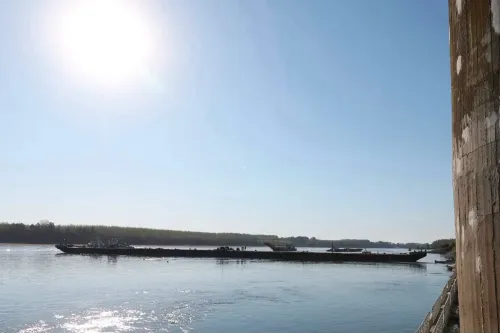
As a parallel contingency, the government has ordered two 80-metre barges to be placed on standby at Paks. If required, Magyar said, the barges could be deliberately sunk across the river to temporarily raise the water level by up to 20 centimetres until the permanent weir is operational. A final decision on deploying the barges is expected on Friday.
Why the Crisis Is Urgent
The Danube's water level had risen temporarily in recent days, allowing Paks to begin increasing its output on Monday. However, water-management forecasts cited by Magyar indicate the river could fall again to around minus 136 to minus 137 centimetres within four to five days, and could drop below minus 140 centimetres next week without intervention. No significant rainfall is expected in the Danube catchment area in the coming weeks, meaning extremely low levels could persist for months.
This comes amid a broader pattern of low water events on Central European rivers linked to prolonged dry spells — a recurring stress test for infrastructure dependent on river cooling systems.
Cost and Economic Stakes
The government estimates the total cost of the interventions at around six billion forints (approximately $18 million). By contrast, a complete shutdown of the Paks plant would cost the state budget at least 50 billion forints per month, making the weir construction a fiscally critical intervention.
The Paks nuclear power plant, located approximately 100 km south of Budapest, is Hungary's only commercial nuclear facility and accounts for a significant share of the country's electricity generation. Any prolonged disruption would have direct consequences for national energy supply and household electricity costs.
What Comes Next
Authorities will assess on Friday whether to deploy the standby barges as a bridge measure. The permanent weir's completion timeline has not been specified, but the government's classification of the project as a priority investment is expected to fast-track regulatory and procurement processes. Observers will be watching whether the intervention is sufficient to sustain plant operations through what forecasters suggest could be an extended dry period.
Point of View
But the deeper question is structural. If dry spells on the Danube grow longer and more frequent, a one-time weir is a patch, not a solution. The Paks plant's long-term operational security may require a more fundamental rethink of its water intake infrastructure, particularly as Hungary also plans to expand nuclear capacity with the Paks II project.
NationPress
27 Sept 2026
Frequently Asked Questions
Why is Hungary building a weir on the Danube?
Hungary is constructing a submerged weir on the Danube to prevent critically low water levels from disrupting the cooling operations of the Paks nuclear power plant. Without intervention, forecasts suggest river levels could drop below minus 140 centimetres next week, threatening the plant's ability to operate.
What is the Paks nuclear power plant?
The Paks nuclear power plant is Hungary's only commercial nuclear facility, located approximately 100 km south of Budapest. It accounts for a significant share of Hungary's electricity generation, making its uninterrupted operation a matter of national energy security.
How much will the Danube weir construction cost?
The Hungarian government estimates the total cost of the weir and emergency measures at around six billion forints, equivalent to approximately $18 million. A complete shutdown of the Paks plant, by comparison, would cost the state budget at least 50 billion forints per month.
What is the emergency barge plan?
Two 80-metre barges have been placed on standby at Paks and could, if necessary, be deliberately sunk across the Danube to temporarily raise the water level by up to 20 centimetres. A final decision on whether to deploy them is expected on Friday, 14 August.
How long could the low water levels last?
According to Prime Minister Peter Magyar, no significant rainfall is expected in the Danube catchment area in the coming days and weeks, meaning extremely low water levels could persist for months. Forecasts indicate the river could fall to minus 136 to minus 137 centimetres within four to five days without the weir in place.