Pakistan water crisis: Political failures, not just climate, to blame
Synopsis
Pakistan's water crisis isn't just a climate story — it's a governance indictment. With per capita availability collapsing from 5,000 to under 900 cubic metres since the 1950s, corporations are legally extracting public groundwater at near-zero cost and selling it back to citizens at massive markups, while cities like Quetta go six months without tap water.
Key Takeaways
Pakistan's per capita water availability has fallen from over 5,000 cubic metres in the 1950s to under 900 cubic metres today, below the global scarcity threshold.
Groundwater supplies 70 per cent of domestic water and over half of agricultural irrigation in Pakistan.
Major bottling companies have extracted billions of litres of groundwater, with nearly half lost in processing, per Supreme Court audits .
Residents of Quetta have gone up to six months without tap water despite paying WASA bills regularly.
An outdated legal framework allows firms to extract groundwater at negligible cost and sell it back at prices hundreds of thousands of times higher.
The report attributes the crisis to political choices , institutional failure , and the privatisation of a public resource — not climate change alone.
Pakistan's deepening water crisis is as much a product of political decisions, institutional collapse, and the creeping privatisation of a public resource as it is a consequence of climate change or population growth, according to a report in The Express Tribune. The findings paint a damning picture of governance failure at every level, from federal policy to municipal supply agencies.
How Severe Is the Shortage
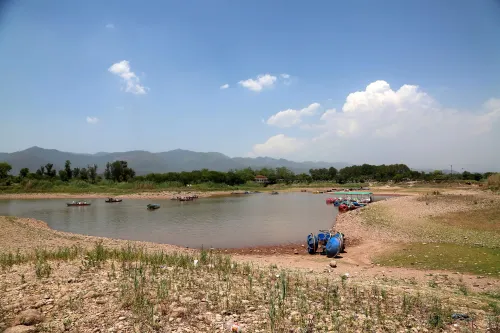
Per capita water availability in Pakistan has plummeted from over 5,000 cubic metres in the early 1950s to fewer than 900 cubic metres today — well below the internationally recognised threshold for water scarcity. Groundwater now accounts for roughly 70 per cent of domestic water supply, approximately 90 per cent of household needs in rural areas, and more than half of all agricultural irrigation, underscoring just how precarious the country's water security has become.
How Corporations Captured a Public Resource
As successive governments failed to deliver safe tap water, the packaged water industry stepped in — and profited enormously. Under an outdated legal framework, companies that acquire land above productive aquifers are permitted to extract groundwater at negligible cost, then sell purified water to consumers at prices hundreds of thousands of times higher than their extraction charges.
Major bottling firms have collectively extracted billions of litres of groundwater over the years, with nearly half of that volume lost during processing, according to Supreme Court audits. The report argues that multinationals have effectively transformed a public necessity into a commercial product, filling a gap that the state created and then abandoned.
'The real battle for Pakistan's future is not simply over rivers or reservoirs. It is over whether water remains a shared public inheritance or becomes another resource captured by wealth and power,' The Express Tribune report stated.
Quetta: A City on the Edge
The crisis is most acute in Quetta, the capital and largest city of Balochistan, where groundwater levels have dropped to dangerously low levels. Official supplies from the Water and Sanitation Agency (WASA) have either stopped entirely or been severely curtailed across large swathes of the city, including Sariab, Sirki Road, Samungli Road, Jinnah Town, Qambarani Road, Satellite Town, Sabzal Road, and Khayaban-e-Agha.
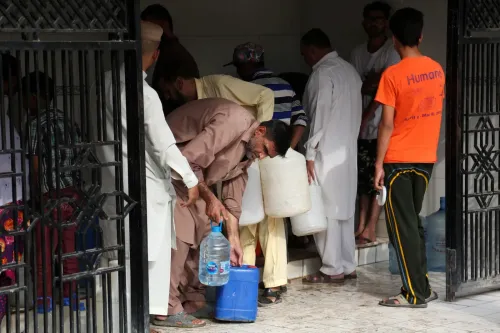
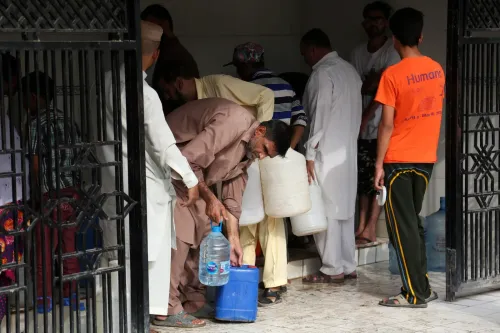
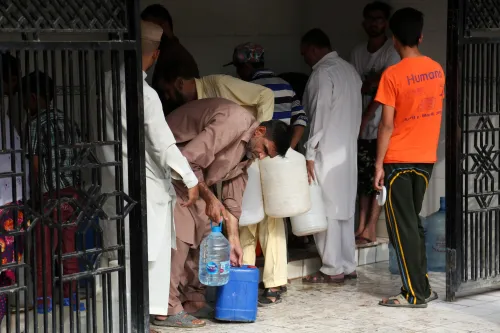
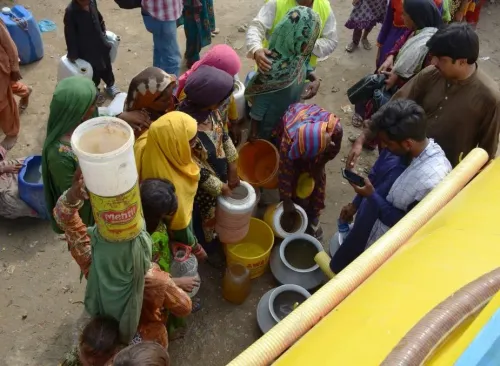
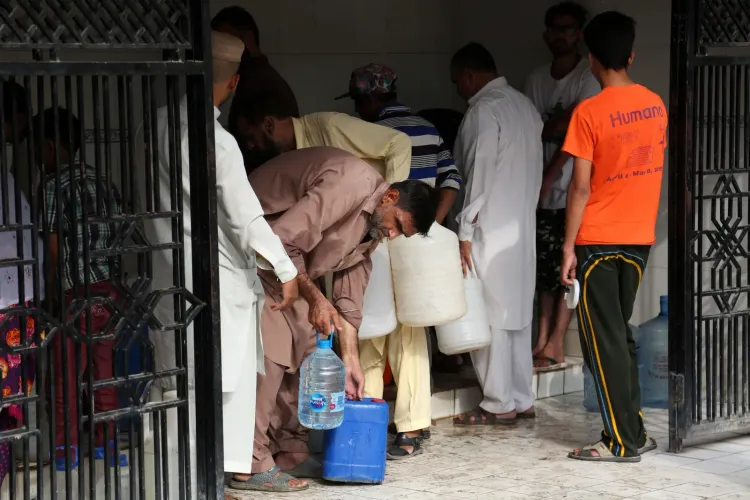
Residents reported that many households had received no tap water for the past six months, forcing elderly residents, women, and young children to walk long distances to fetch water. Despite paying their WASA bills regularly and filing multiple complaints, residents said officials had offered only verbal assurances with no resolution in sight.
Systemic Failures Behind the Crisis
The report is notable for shifting blame beyond the familiar narrative of climate change and glacier retreat. It identifies a governance deficit — where political choices prioritised short-term expediency over long-term water infrastructure — as a root cause. The absence of a modern legal framework for groundwater extraction has allowed private actors to commodify what the report calls a 'shared public inheritance.'
This comes amid broader concerns about Pakistan's fiscal capacity to invest in water infrastructure, with the country navigating an IMF programme and constrained public spending. Without structural reform to both the legal framework governing extraction rights and the delivery infrastructure managed by agencies like WASA, analysts warn the crisis will deepen further in the years ahead.
Point of View
In large part, chosen. Decades of deferred infrastructure investment and a legal framework that handed corporations the right to commodify groundwater at negligible cost reflect deliberate policy inaction, not just bad luck with glaciers. The Quetta situation — six months without tap water in a provincial capital — is not a natural disaster; it is an institutional one. What makes this harder to fix is that the same political economy that created the crisis now profits from it, whether through bottled-water interests or patronage networks inside agencies like WASA. Without rewriting the extraction rights framework and rebuilding municipal delivery systems, climate adaptation spending will simply subsidise the status quo.
NationPress
12 Oct 2026
Frequently Asked Questions
Why is Pakistan facing a water crisis?
Pakistan's water crisis is driven by a combination of political failures, institutional collapse, and the privatisation of groundwater — not climate change alone. Per capita water availability has fallen from over 5,000 cubic metres in the 1950s to under 900 cubic metres today, pushing the country below the internationally recognised scarcity threshold.
How have corporations contributed to Pakistan's water scarcity?
Under an outdated legal framework, companies that own land above productive aquifers can legally extract groundwater at negligible cost and sell purified water at prices hundreds of thousands of times higher. Supreme Court audits found that major bottling firms have extracted billions of litres of groundwater, with nearly half lost during processing.
What is the situation in Quetta?
Quetta, the capital of Balochistan, is experiencing one of Pakistan's most acute water emergencies, with groundwater levels at dangerously low levels. Official WASA supplies have stopped or been severely restricted across multiple residential areas, and many households have had no tap water for six months despite paying their bills regularly.
How does Pakistan's groundwater dependency worsen the crisis?
Groundwater now supplies around 70 per cent of Pakistan's domestic water, about 90 per cent of rural household needs, and over half of agricultural irrigation. This extreme dependency on a depleting resource means any further decline in aquifer levels directly threatens food security and daily life.
What needs to change to resolve Pakistan's water crisis?
The Express Tribune report argues that the legal framework governing groundwater extraction must be modernised to prevent corporations from profiting at public expense. Alongside that, municipal delivery infrastructure — managed by agencies like WASA — needs structural reform, and political accountability for decades of deferred investment must be established.