Hungary PM Magyar files amendment to oust President Sulyok; Fidesz calls protest

Synopsis
Hungary's new PM Peter Magyar has moved to constitutionally oust President Tamas Sulyok — a figure appointed by his predecessor Viktor Orban — using a parliamentary supermajority that makes the amendment nearly unstoppable. With Fidesz rallying street protests and four constitutional judges also in the firing line, Hungary's post-Orban transition is proving anything but stable.
Key Takeaways
Prime Minister Peter Magyar submitted a constitutional amendment on 7 July 2025 to remove President Tamas Sulyok from office.
The Tisza Party holds a supermajority in parliament ; a vote could come as early as next week.
Opposition Fidesz has called a Thursday protest in Budapest in support of President Sulyok.
Four constitutional judges face removal and parliamentary deputies would be capped at a 12-year mandate under the proposed changes.
President Sulyok has refused to resign, calling the move a threat to the rule of law and representative democracy.
Former PM Viktor Orban condemned the Tisza Party's actions as crossing “human, moral and legal” boundaries.
Hungarian Prime Minister Peter Magyar has submitted a constitutional amendment to remove President Tamas Sulyok from office, triggering a sharp political confrontation in Budapest as the opposition Fidesz party announced a protest rally in Sulyok's support on Thursday, 10 July 2025. The move marks the most direct constitutional clash since Magyar's Tisza Party swept to power in the April 2025 elections.
What the Amendment Says
The constitutional amendment submitted by Magyar states that “the mandate of the incumbent President of the Republic shall terminate on the day following the entry into force of the amendment to the Fundamental Law.” The Tisza Party holds a supermajority in parliament, making the amendment's passage widely expected. Sources within the Hungarian parliament have indicated the vote could take place as early as next week, though this has not been officially confirmed.
Sulyok's Response and Fidesz Backlash
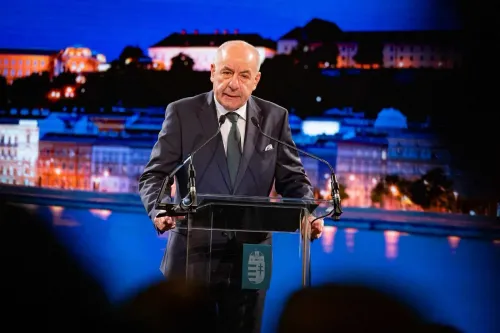
President Sulyok has firmly rejected calls to step down, calling Magyar's move a threat to democratic norms. In a statement on Sunday, Sulyok said, “The question is whether this force will sweep away internationally recognised and required principles of the rule of law, as well as genuine representative democracy.” Fidesz, now in opposition, has framed Sulyok's removal as a path toward tyranny, arguing that the President was elected in accordance with Hungary's constitution and that ousting him would amount to personalised legislation.
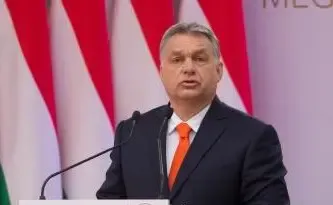
Former Prime Minister Viktor Orban, whose party appointed Sulyok to the presidency, said: “The Tisza Party crosses all boundaries – human, moral and legal,” adding that Hungarian voters had not authorised such action.
Magyar's Long-Standing Demand
Magyar's push to remove Sulyok is not new. During his election campaign, he repeatedly accused the President of failing to fulfil his constitutional duties and of not defending opposition supporters during Orban's tenure. As recently as June 2025, Magyar accused Sulyok of “abandoning the people of Hungary.”
Addressing a press conference outside the Sandor Palace on 1 June, Magyar said: “The office of the president of the republic is more important and more powerful than any individual head of state. It is in Hungary's interest that the presidency should regain the authority that has been battered in recent years by its silences, its untenable decisions and its omissions.”
Constitutional Ripple Effects
Beyond the presidency, the proposed constitutional changes carry significant institutional consequences. Four constitutional judges are set to be removed after their retirement age is pegged at 70 years. Additionally, the amendments would cap parliamentary deputies to a 12-year mandate, reshaping the legislature's long-term composition. Critics argue the cumulative effect concentrates power in Magyar's hands at a pace that outstrips democratic deliberation.
What Happens Next
With a supermajority behind him, Magyar is positioned to push the amendment through parliament swiftly. The Fidesz protest on Thursday will test the depth of public sentiment for Sulyok. How the international community — particularly the European Union — responds to the constitutional overhaul will be closely watched, given Hungary's fraught history with Brussels over rule-of-law standards.
Point of View
Retiring four constitutional judges, and capping parliamentary tenure — all in one amendment package — is a structural overhaul, not a corrective measure. The irony is sharp: Magyar built his mandate on reversing Orban-era democratic backsliding, yet the speed and scope of these changes mirror the centralising playbook he ran against. The EU, which spent years battling Orban over rule-of-law violations, now faces the uncomfortable question of whether it will apply the same scrutiny to a government it broadly welcomed. The Fidesz street protest is a political sideshow, but the constitutional judges clause is the one that will define Magyar's legacy.
NationPress
7 Jul 2026
Frequently Asked Questions
What is the constitutional amendment Peter Magyar submitted in Hungary?
Prime Minister Peter Magyar submitted an amendment stating that the sitting President's mandate ends the day after the amendment takes effect, effectively removing President Tamas Sulyok from office. The Tisza Party's supermajority in parliament makes its passage widely expected.
Why does Magyar want to remove President Tamas Sulyok?
Magyar has repeatedly accused Sulyok of failing to fulfil his constitutional duties, particularly of not defending opposition supporters during Viktor Orban's tenure as Prime Minister. He has called Sulyok 'Orban's puppet' and accused him of abandoning the Hungarian people.
What is Fidesz's response to the amendment?
Fidesz, now in opposition, announced a protest rally in Budapest on Thursday in support of President Sulyok. The party argues Sulyok was elected constitutionally and that removing him would amount to personalised legislation and pave the way for tyranny.
What other changes does the constitutional amendment include?
Beyond removing the President, the amendment would retire four constitutional judges by setting their retirement age at 70, and would limit parliamentary deputies to a 12-year mandate, significantly reshaping Hungary's institutional landscape.
When could the Hungarian parliament vote on the amendment?
Sources within the Hungarian parliament have indicated the vote could take place as early as next week, though this has not been officially confirmed by the government.