Hungary parliament revokes ICC withdrawal in 133-37 vote
Synopsis
Hungary's new Tisza Party government, just weeks in office, has already undone one of Viktor Orbán's most controversial foreign-policy moves — withdrawing from the ICC. The 133-37 vote is a signal that Budapest is pivoting back toward Western multilateral norms, and fast.
Key Takeaways
Hungary's National Assembly voted 133-37 on 27 May to revoke the country's withdrawal from the International Criminal Court (ICC) .
The original withdrawal was announced by the Orbán government on 3 April 2025 and approved by parliament on 20 May 2025 .
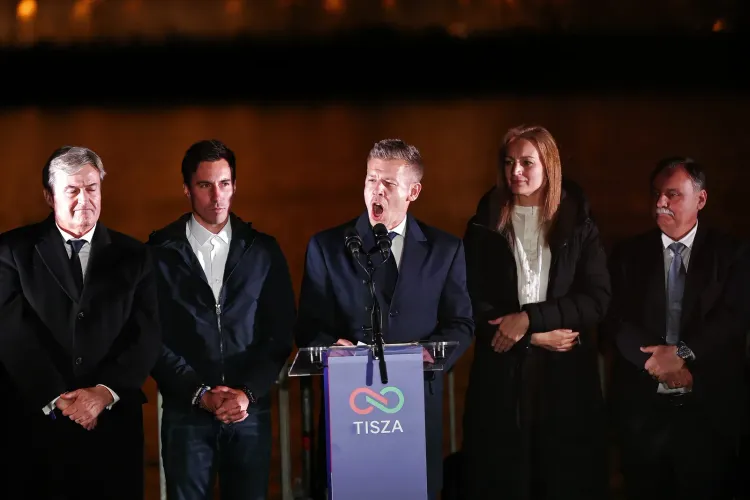
Prime Minister Peter Magyar submitted the reversal bill personally on behalf of his Tisza Party government.
The law takes effect the day after promulgation, making Hungary's ICC re-engagement imminent.
Magyar's government holds a two-thirds parliamentary majority after its 12 April election victory over the Fidesz-KDNP coalition.
Four ministries — Finance , Health , Education and Children's Affairs , and Justice — will hold veto power within the new cabinet.
Hungary's National Assembly on Wednesday, 27 May voted under a special legislative procedure to revoke the country's earlier decision to withdraw from the International Criminal Court (ICC), marking a sharp reversal in foreign policy under the new government. The bill passed with 133 votes in favour, 37 against, and five abstentions, and will take effect the day after the law is promulgated.
Background to the Reversal
The previous government, led by Viktor Orbán and the Fidesz-KDNP coalition, had announced Hungary's withdrawal from the ICC on 3 April 2025. The then-parliament formally voted in favour of that withdrawal on 20 May 2025. The decision had drawn international criticism, particularly from European allies, as it came amid broader tensions over Hungary's relationship with Western institutions.
The new government published its intent to reverse course in an official gazette on 22 May, stating it would revoke the withdrawal decision and terminate all related measures, including those concerning the Rome Statute and agreements on the court's privileges and immunities.
Magyar Submits the Bill
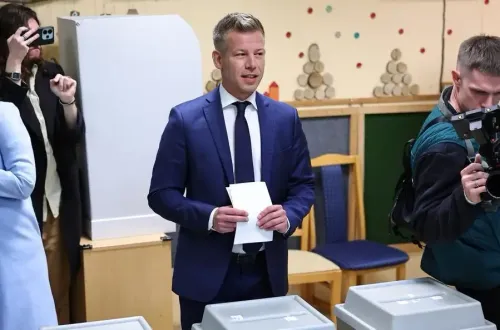
Prime Minister Peter Magyar personally submitted the bill to parliament on Tuesday on behalf of his administration. Magyar's Tisza Party swept to power in parliamentary elections held on 12 April, defeating the Fidesz-KDNP coalition with a two-thirds majority — a result that handed the new government a strong mandate for legislative reform.
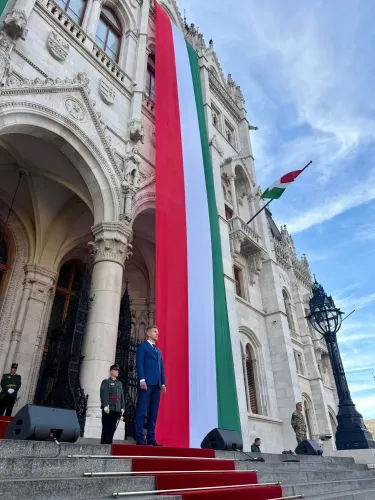
Magyar took the oath of office on 12 May, with President Tamas Sulyok formally appointing the cabinet ministers. The ICC reversal is among the first major legislative acts of the new administration.
What the New Government Said
Addressing parliament, Magyar outlined his government's priorities as restoring public trust, improving governance, and rebuilding Hungary's international relationships. 'Our goal is to build a functioning and humane Hungary,' he said. 'The Tisza government will serve the nation, not the Prime Minister.'
He added that the administration would operate with 'clear lines of responsibility and transparent decision-making' to restore confidence in state institutions. Magyar also pledged to strengthen ties with Western allies while defending national interests within the European Union and NATO.
Cabinet Structure and Key Ministries
Magyar indicated that four ministries — the Finance Ministry, the Health Ministry, the Education and Children's Affairs Ministry, and the Justice Ministry — would hold a central role in the cabinet, each carrying veto power over government decisions. The arrangement is designed to distribute authority and prevent the concentration of power that critics had long associated with the Orbán era.
What Comes Next
With the law set to take effect immediately after promulgation, Hungary's re-engagement with the ICC is expected to proceed swiftly. The move signals a broader realignment toward Western norms and multilateral institutions, a direction Magyar has consistently championed since his party's landslide election victory. How quickly Hungary restores full diplomatic standing with EU partners and ICC member states will be closely watched in the weeks ahead.
Point of View
Signalling that the Orbán-era foreign-policy posture was a political choice, not a structural constraint. The two-thirds majority makes such reversals legislatively easy, but the harder test is whether Budapest can rebuild credibility with Brussels and NATO partners after years of friction. The veto-power arrangement across four ministries is an unusual structural bet on distributed governance — whether it prevents cabinet capture or creates gridlock will define Magyar's first year.
NationPress
17 Sept 2026
Frequently Asked Questions
Why did Hungary vote to revoke its ICC withdrawal?
Hungary's new government under Prime Minister Peter Magyar reversed the decision as part of a broader effort to rebuild the country's international ties and realign with Western multilateral institutions. The previous Orbán-led government had announced the withdrawal on 3 April 2025, a move widely criticised by European allies.
What was the vote count in Hungary's parliament?
The bill passed with 133 votes in favour, 37 against, and five abstentions in the National Assembly on 27 May. It was passed under a special legislative procedure.
When will Hungary's ICC reversal take effect?
The law takes effect on the day following its official promulgation, meaning Hungary's re-engagement with the International Criminal Court is expected to be formalised very shortly after the vote.
Who is Peter Magyar and how did he come to power?
Peter Magyar is the leader of the Tisza Party, which defeated Viktor Orbán's Fidesz-KDNP coalition in parliamentary elections held on 12 April, winning a two-thirds majority. Magyar was sworn in as Prime Minister on 12 May, with President Tamas Sulyok formally appointing his cabinet.
What are the key priorities of Hungary's new government?
Prime Minister Magyar has outlined restoring public trust, improving governance, and rebuilding Hungary's relations with Western allies as central goals. He also pledged transparent decision-making and stronger engagement with the EU and NATO while defending national interests.