India condemns Chinese vloggers misrepresenting Dhaka as New Delhi
Synopsis
More than 150 Chinese nationals have been livestreaming from Dhaka's poorest neighbourhoods — falsely labelling them as New Delhi — and making derogatory remarks about Indian living standards. India's MEA has now publicly condemned the campaign and called on authorities to act, in what officials and analysts describe as a coordinated effort to damage India's international image.
Key Takeaways
India's MEA on 10 November 2026 strongly condemned Chinese vloggers for falsely presenting Dhaka neighbourhoods as parts of New Delhi .
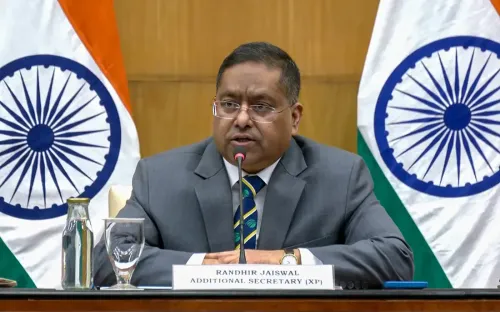
MEA spokesperson Randhir Jaiswal urged authorities to take action against those undertaking and backing the misleading content.
Over 150 Chinese nationals have reportedly been filming in Dhaka's Tekpara and Uttara areas since at least May 2026 .
One streamer, 'Mianmian' from Sichuan province , livestreamed from Uttara Sector 12 on 1 November , presenting it as New Delhi and describing it as 'dirty' and 'underdeveloped.' Content included derogatory remarks about Indian food, hygiene, sanitation, and living conditions, with one streamer falsely claiming locals drank 'cow urine tea.' The pattern of repeated filming in the same localities has raised concerns about a coordinated anti-India misinformation campaign .
India on Tuesday, 10 November 2026 strongly condemned attempts by Chinese content creators to falsely portray economically disadvantaged neighbourhoods in Dhaka, Bangladesh as parts of New Delhi, calling the spread of such false narratives a direct attack on the credibility of those behind them. The Ministry of External Affairs (MEA) urged the relevant authorities to act against those involved in what officials described as a deliberate distortion of geographical locations.
What the MEA Said
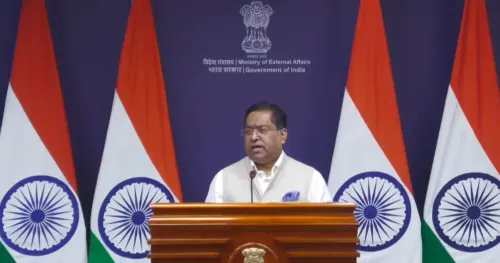
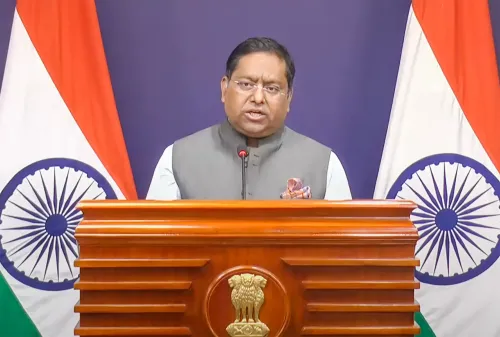
MEA spokesperson Randhir Jaiswal, addressing a bi-weekly press briefing in New Delhi, confirmed that the government had taken note of media reports on the matter. He said the portrayal of any country in a distorted manner was 'unfortunate' and explicitly called out the practice of sourcing foreign nationals to pass off Dhaka localities as Delhi.
'Such efforts to present a distorted picture of any country are unfortunate. Insofar as efforts to buy foreign elements to portray Dhaka as Delhi are concerned, the peddling of false narratives only undermines the credibility of those who are undertaking such actions and those who are behind them. And we would urge the authorities concerned to take action against such people,' Jaiswal said.
The Scale of the Operation
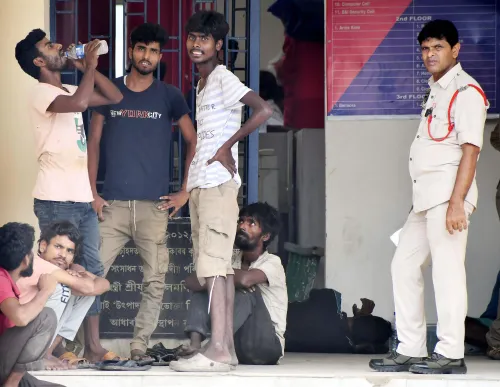
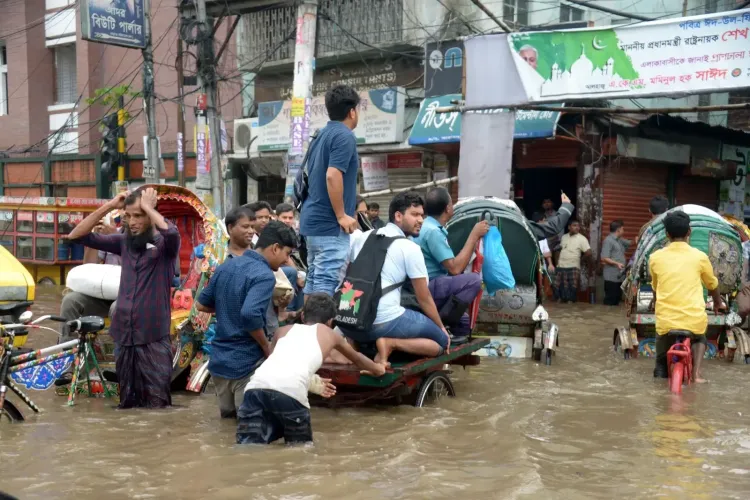
Reports indicate that over 150 Chinese nationals have been filming and livestreaming from low-income localities in Dhaka — particularly the Tekpara and Uttara areas — falsely presenting them as neighbourhoods in New Delhi. The activity has reportedly been ongoing since at least May 2026, with streamers active from early morning to late at night. The recurring presence of multiple operators in the same localities, combined with consistent geographical misrepresentation, has raised concerns about a coordinated rather than opportunistic effort.
Specific Incidents on Record
One Chinese woman identified as 'Mianmian', reportedly from China's Sichuan province, livestreamed on 1 November from beside a canal in Uttara Sector 12, Dhaka, presenting it to her online audience as New Delhi. According to leading Bangladeshi daily Prothom Alo, she described the surroundings as 'extremely dirty,' 'quite underdeveloped,' and 'unhygienic,' and alleged that the 'law-and-order situation is poor.'
'This is New Delhi. Their homes are extremely dirty. There isn't even a fan inside the tin-roofed houses. This place is quite underdeveloped, dirty and unhygienic, and the law-and-order situation is poor,' Prothom Alo quoted her as saying.
In a separate incident, another Chinese national was filmed livestreaming from tea stalls in Tekpara, making offensive remarks that the tea consumed by locals was brewed using 'cow urine.' Prothom Alo also quoted him as saying: 'Look, they are drinking tea. Do you know what kind of tea this is? This is cow urine tea. They drink cow urine tea.'
Why This Matters
The incidents highlight the growing threat posed by coordinated misinformation campaigns on social media, where deceptive content can accumulate large international viewerships before authenticity is verified. The concern, as flagged by Indian officials, goes beyond individual acts of disparagement — the calculated misrepresentation of a third country's territory as India, combined with remarks designed to degrade perceptions of Indian society, points to a systematic effort to shape how global audiences view the country. This is not the first time India-China information tensions have surfaced on digital platforms, but the use of Bangladesh as a staging ground adds a new and significant dimension to the pattern.
What Happens Next
India's public condemnation places the onus on both Chinese and Bangladeshi authorities to act against the individuals involved. No formal diplomatic note has been reported as of yet, but the MEA's public call for action signals that New Delhi is watching the matter closely. With the content already circulating on platforms accessible to international audiences, the broader question of platform accountability and cross-border misinformation governance is likely to remain live.
Point of View
' New Delhi is signalling awareness of a state-adjacent operation without making a formal accusation it cannot yet substantiate. The use of Bangladesh as a proxy geography is strategically significant: it insulates the operators from direct territorial confrontation while allowing anti-India content to circulate on platforms with global reach. What is missing from the official response is any mention of platform accountability — the content reportedly spread for months before attracting official condemnation, raising uncomfortable questions about how quickly social media companies act on cross-border misinformation targeting India. The pattern since May 2026 also suggests this was not a spontaneous viral trend but a sustained, organised effort — one that warrants a bilateral response, not just a press briefing.
NationPress
10 Nov 2026
Frequently Asked Questions
What are Chinese vloggers doing in Dhaka that India has condemned?
Over 150 Chinese nationals have reportedly been filming and livestreaming from low-income neighbourhoods in Dhaka, Bangladesh — particularly Tekpara and Uttara — falsely presenting them to online audiences as parts of New Delhi. The content included derogatory remarks about Indian sanitation, food habits, and living standards, and has been active since at least May 2026.
What did India's MEA say about the Chinese vlogger controversy?
MEA spokesperson Randhir Jaiswal, at a press briefing on 10 November 2026, condemned the portrayal as 'unfortunate' and said peddling false narratives 'only undermines the credibility of those undertaking such actions and those who are behind them.' He urged the concerned authorities to take action against those involved.
Who is 'Mianmian' and what did she do?
'Mianmian' is a Chinese woman reportedly from Sichuan province who livestreamed on 1 November from beside a canal in Uttara Sector 12, Dhaka, presenting it as New Delhi. According to Bangladeshi daily Prothom Alo, she described the area as 'extremely dirty,' 'underdeveloped,' and 'unhygienic,' and claimed the law-and-order situation was poor.
Why is India concerned about this misrepresentation?
India is concerned because the deliberate mislabelling of Bangladeshi neighbourhoods as New Delhi, combined with disparaging commentary on Indian living standards, could shape negative international perceptions of the country. The recurring pattern of activity since May 2026 has raised concerns about a coordinated anti-India misinformation campaign rather than isolated incidents.
What action is being sought against those involved?
India's MEA has publicly urged the 'authorities concerned' to act against those filming and backing the misleading content. No formal diplomatic note has been reported as of 10 November 2026, but the public statement from New Delhi signals that India is closely monitoring the situation and expects accountability.