India-Japan missile tech cooperation: DRDO and ATLA to advance defence R&D
Synopsis
India and Japan are moving from intent to action on missile technology cooperation, with DRDO and ATLA tasked to deliver joint R&D outcomes. In a historic first, Japan's Self-Defense Forces will conduct live-fire missile drills on Indian soil — a signal that this partnership has crossed into genuine operational territory.
Key Takeaways
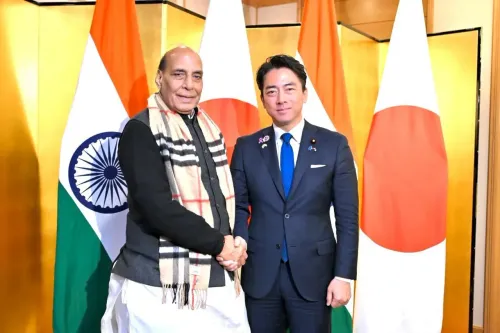
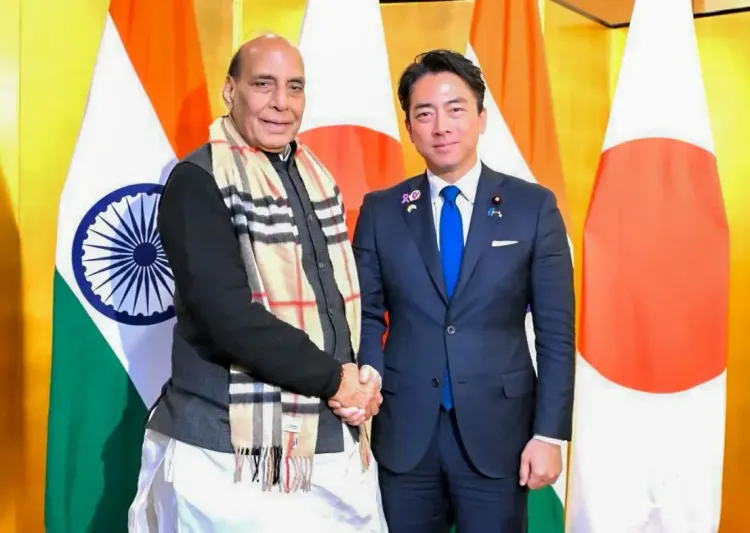
Rajnath Singh and Shinjiro Koizumi met in Tokyo on 19 November 2026 — their third bilateral meeting since August this year.
DRDO and ATLA will advance joint R&D cooperation in state-of-the-art missile and defence technologies .
India is expected to issue the Acceptance of Necessity (AoN) for UNICORN-related arrangements by February 2027 .
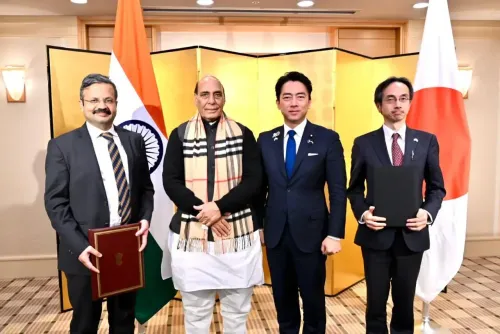
A Letter of Intent was signed allowing Japan Self-Defense Forces to conduct live-fire training — including surface-to-ship missile drills — in India for the first time.
Both sides are expanding cooperation in naval shipbuilding , mine counter-measures , Air Domain Awareness , and Special Operations Forces exchanges.
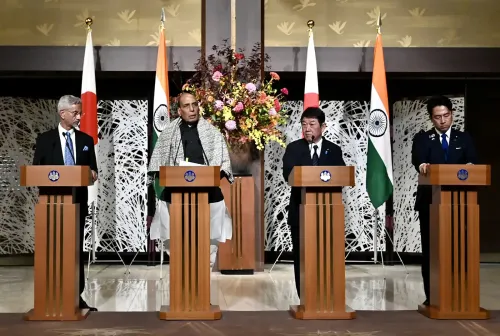
The fourth India-Japan 2+2 Foreign and Defence Ministerial Meeting was also held in Tokyo, with EAM Jaishankar and FM Motegi Toshimitsu participating.
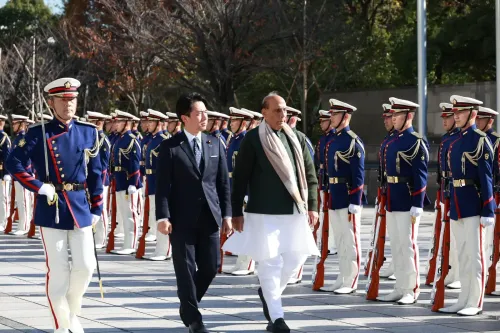
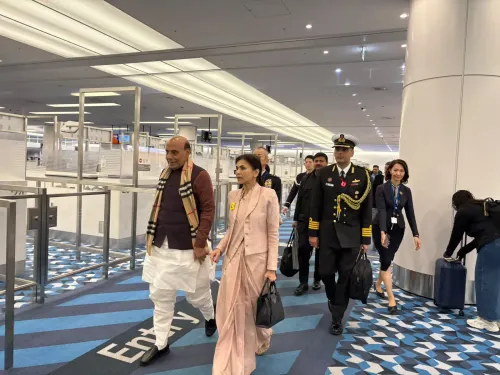
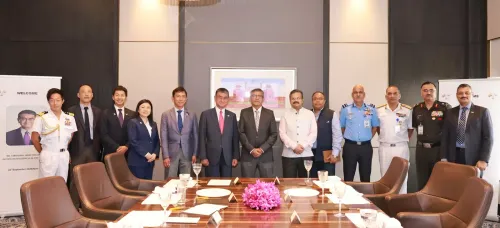
Defence Minister Rajnath Singh and his Japanese counterpart Shinjiro Koizumi on Thursday, 19 November 2026, affirmed that India and Japan would move forward with joint defence research and development cooperation between India's Defence Research and Development Organisation (DRDO) and Japan's Acquisition, Technology and Logistics Agency (ATLA), specifically in the field of state-of-the-art missile and defence technologies. The announcement came after a bilateral meeting held in Tokyo, according to a statement from India's Ministry of Defence (MoD).
Third Meeting in Quick Succession
Thursday's bilateral was the third between Singh and Koizumi within a short span, following earlier interactions in August and October this year. The frequency of high-level engagements signals a deliberate acceleration in the bilateral defence partnership, well beyond routine diplomatic cadence.
The MoD statement noted: 'Regarding defence equipment and technology cooperation, the two Ministers shared their expectation for an early conclusion of the UNICORN related arrangements, and the Acceptance of Necessity (AoN) by India by February 2027. They also affirmed that they would materialise defence R&D cooperation between DRDO and ATLA in the field of state-of-the-art missile and defence technologies.'
Naval and Maritime Security Cooperation Deepens
Both sides welcomed progress under the Memorandum of Arrangement on Maritime Security Cooperation signed in August this year. A dedicated Working Group, headed at the Joint Secretary/Director General level, will follow up on working-level talks covering enhanced mine counter-measures capabilities and the possibility of joint development in naval shipbuilding and design.
The two nations also agreed to advance cooperation on Air Domain Awareness between their respective air services, and to deepen information-sharing frameworks between the Japan Maritime Self-Defense Force and the Indian Navy.
Live-Fire Training: A First for Japan Self-Defense Forces
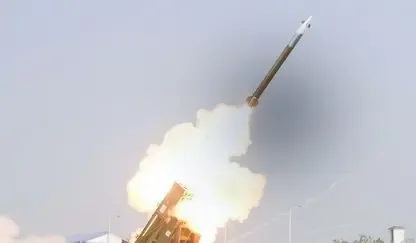
In a significant step, both ministers welcomed the signing of a Letter of Intent (LoI) on the utilisation of firing ranges in India. Under this arrangement, the Japan Self-Defense Forces will, for the first time, conduct live-fire training in India — including exercises involving surface-to-ship missiles. This marks a qualitative leap in operational military cooperation between the two countries.
Joint exercises were also highlighted, with both sides welcoming the deepening of cooperation through Malabar 2026 and the Japan-India Maritime Exercise JAIMEX26, both conducted in Japan this month. Exchanges between the respective Special Operations Forces are also set to be further advanced.
Indo-Pacific Security and Multilateral Cooperation
The ministers underscored the increasingly complex security environment in the Indo-Pacific, concurring on the need to promote multilateral defence cooperation — including trilateral arrangements — alongside bilateral ties. The MoD emphasised that the two countries are committed to 'advancing practical cooperation for peace and stability in the region.'
Separately, Singh and External Affairs Minister S. Jaishankar also participated in the fourth India-Japan 2+2 Foreign and Defence Ministerial Meeting in Tokyo on the same day, joined by Koizumi and Japan's Minister for Foreign Affairs Motegi Toshimitsu. The 2+2 format, which brings together both foreign and defence ministers from both sides, reflects the strategic depth of the bilateral relationship. With the UNICORN deadline of February 2027 now publicly confirmed, concrete deliverables will be closely watched in the months ahead.
Point of View
A live-fire missile training agreement, and a hard deadline on UNICORN arrangements — this is not incremental diplomacy. India and Japan are building an operational defence architecture with real interoperability benchmarks, a departure from the declaratory frameworks that have historically characterised Asian security partnerships. The DRDO-ATLA axis is particularly significant: Japan's decision to allow its forces to train with surface-to-ship missiles on Indian soil reflects a post-pacifist strategic posture that would have been unthinkable a decade ago. The question is whether India's domestic defence-industrial capacity can absorb and reciprocate the technology exchange, or whether the partnership risks becoming asymmetrically dependent on Japanese hardware and R&D pipelines.
NationPress
19 Nov 2026
Frequently Asked Questions
What did India and Japan agree on regarding missile technology?
India and Japan affirmed that DRDO and Japan's ATLA will materialise joint defence R&D cooperation in state-of-the-art missile and defence technologies. The agreement was reached during a bilateral meeting in Tokyo on 19 November 2026 between Defence Minister Rajnath Singh and his Japanese counterpart Shinjiro Koizumi.
What is the UNICORN arrangement between India and Japan?
UNICORN is a defence cooperation arrangement currently under negotiation between India and Japan. Both ministers expressed expectation for its early conclusion, with India's Acceptance of Necessity (AoN) targeted by February 2027, though the full details of the arrangement have not been publicly disclosed.
What is historic about the Letter of Intent on firing ranges?
The Letter of Intent allows Japan's Self-Defense Forces to conduct live-fire training — including exercises involving surface-to-ship missiles — at firing ranges in India for the first time ever. This marks a significant operational milestone in the India-Japan defence relationship.
What is the India-Japan 2+2 Ministerial Meeting?
The 2+2 format brings together both countries' foreign and defence ministers for joint strategic consultations. The fourth such meeting was held in Tokyo on 19 November 2026, with Defence Minister Singh and External Affairs Minister Jaishankar representing India, and Koizumi and Foreign Minister Motegi Toshimitsu representing Japan.
How are India and Japan advancing maritime security cooperation?
Both countries are working under a Memorandum of Arrangement on Maritime Security Cooperation signed in August 2026. A Working Group at the JS/DG level is pursuing talks on mine counter-measures capabilities and potential joint development in naval shipbuilding and design, alongside joint exercises such as Malabar 2026 and JAIMEX26.