India-Japan sign live-fire training pact; JSDF to test surface-to-ship missiles at Indian ranges
Synopsis
For the first time ever, Japan's Self-Defence Forces will conduct live-fire drills — including surface-to-ship missile exercises — on Indian soil. Signed at the 4th India-Japan 2+2 Ministerial Meet in Tokyo, the Letter of Intent signals a qualitative leap in bilateral defence ties, moving the partnership from joint exercises to shared operational infrastructure.
Key Takeaways
India and Japan signed a Letter of Intent (LoI) on 19 November 2026 allowing Japan Self-Defence Forces to conduct live-fire training at Indian firing ranges for the first time.
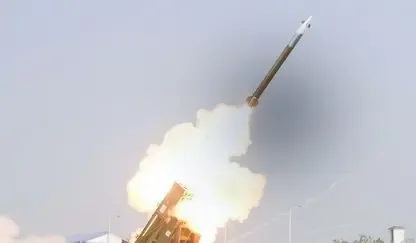
Live-fire drills will include exercises involving surface-to-ship missiles .
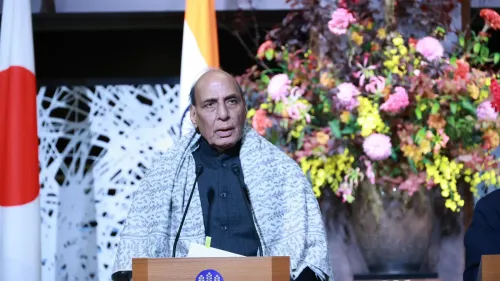
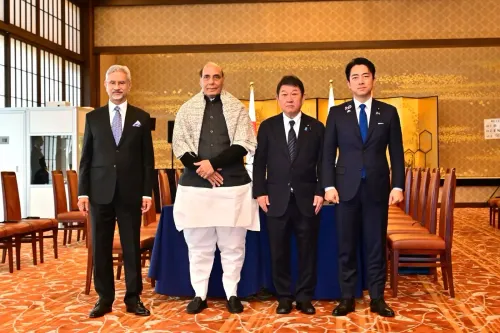
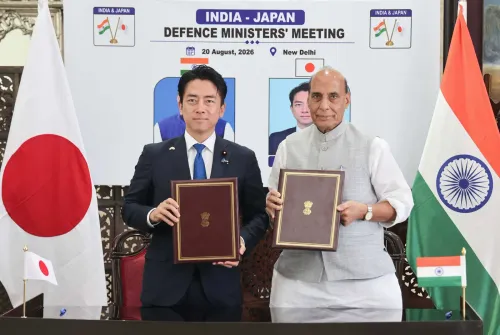
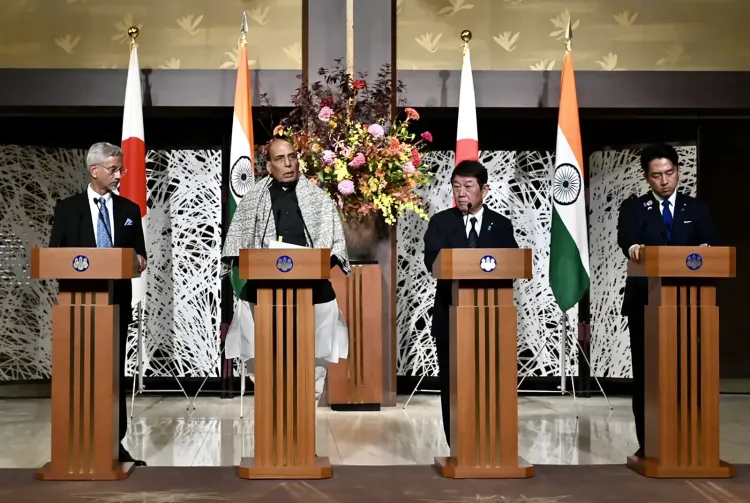
The agreement was announced at the fourth India-Japan 2+2 Foreign and Defence Ministerial Meeting in Tokyo , attended by Rajnath Singh , S.
Jaishankar , Motegi Toshimitsu , and Koizumi Shinjiro .
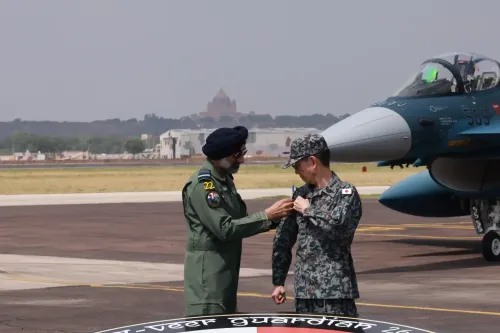
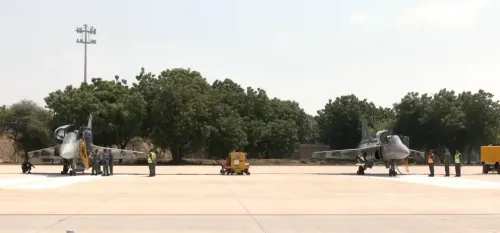
Japan Air Self-Defence Force fighter aircraft visited India for the first time during the 'Veer Guardian 26' air exercise.
Both sides set a target for India's Acceptance of Necessity (AoN) for UNICORN -related arrangements by February 2027 .
The next 2+2 Ministerial Meeting will be held in India ; 2027 will be celebrated as the India-Japan Year of Shared Horizons marking 75 years of diplomatic ties.
India and Japan on Thursday, 19 November 2026, welcomed the signing of a Letter of Intent (LoI) that will allow the Japan Self-Defence Forces (JSDF) to conduct live-fire training — including exercises involving surface-to-ship missiles — at firing ranges in India for the very first time. The development was announced in a joint statement issued following the fourth India-Japan 2+2 Foreign and Defence Ministerial Meeting held in Tokyo.
The Historic Firing Range Agreement
The LoI on the utilisation of firing ranges in India marks a significant milestone in bilateral defence ties. Under the arrangement, the JSDF will, for the first time, carry out live-fire drills — including those involving surface-to-ship missiles — on Indian soil. Both sides 'concurred on accelerating coordination between the defence authorities of the two countries toward its early realisation,' the joint statement noted. This positions India as a training ground for a key Indo-Pacific ally, a development without precedent in the two nations' defence relationship.
Who Was at the Table
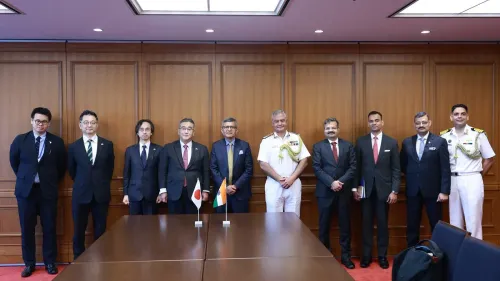
The ministerial meeting brought together Defence Minister Rajnath Singh, External Affairs Minister S. Jaishankar, Japan's Minister for Foreign Affairs Motegi Toshimitsu, and Minister of Defence Koizumi Shinjiro. The 2+2 format — which pairs the defence and foreign ministers of both countries — has been a cornerstone mechanism for advancing the India-Japan Special Strategic and Global Partnership.
Expanding Military Exercises and Unmanned Systems
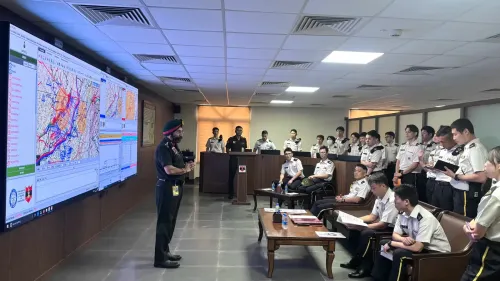
The ministers expressed satisfaction at the broader expansion of bilateral exercises, highlighting the first-ever visit to India by Japan Air Self-Defence Force fighter aircraft during the India-Japan Air Force exercise 'Veer Guardian 26'. Both sides agreed to further deepen exercises through 'enhanced complexities and the integration of unmanned systems,' signalling a move toward next-generation joint operational capabilities. The ministers also expressed expectation for an early formulation of UNICORN-related arrangements, and an Acceptance of Necessity (AoN) by India by February 2027.
Maritime, Space and Defence Industrial Cooperation
Welcoming the recently signed Memorandum of Arrangement on Maritime Security Cooperation, both sides agreed to pursue concrete outcomes between the Indian Navy and the Japan Maritime Self-Defence Force in areas including Maritime and Air Domain Awareness, Search and Rescue, and Humanitarian Assistance and Disaster Relief. The joint statement also affirmed that defence authorities are committed to enhancing mine countermeasures capabilities and exploring the possibility of joint development in naval shipbuilding and design. Notably, the fifth Coast Guard Global Summit is slated to be held in India in February 2027.
On space, the two sides agreed to expand cooperation in Space Situational Awareness and the use of space for Maritime Domain Awareness. Both countries also reaffirmed their status as 'strategic research and development partners in Artificial Intelligence,' agreeing to deepen cooperation under the Japan-India AI Cooperation Initiative (JAI). In the economic domain, the ministers reiterated 'grave concerns regarding economic coercion, including through arbitrary export restrictions,' and agreed to promote project-based cooperation in semiconductors, critical minerals, ICT, clean energy, and pharmaceuticals under a 'Design with Japan, Make in India' framework.
What Comes Next
The two sides decided to hold the next 2+2 Ministerial Meeting in India and agreed to celebrate the 75th anniversary of diplomatic relations in 2027 as the India-Japan Year of Shared Horizons. With a live-fire pact signed, a maritime cooperation MoA in place, and timelines set for UNICORN and the Coast Guard Summit, the defence partnership is entering an implementation-heavy phase that will test both bureaucracies' ability to convert intent into operational reality.
Point of View
Make in India' framing for defence industrial cooperation is also worth watching: it suggests New Delhi wants technology transfer and co-production, not just equipment purchases. The UNICORN timeline and the AoN target of February 2027 will be the near-term test of whether this partnership can move from joint statements to joint production — something India-US defence ties have struggled with for years.
NationPress
19 Nov 2026
Frequently Asked Questions
What did India and Japan agree at the 2+2 Ministerial Meeting in Tokyo?
India and Japan signed a Letter of Intent allowing Japan Self-Defence Forces to conduct live-fire training, including surface-to-ship missile exercises, at Indian firing ranges for the first time. They also advanced maritime, space, AI, and defence industrial cooperation at the fourth 2+2 Ministerial Meeting in Tokyo on 19 November 2026.
What is the significance of Japan conducting live-fire training in India?
It marks the first time the Japan Self-Defence Forces will fire live weapons — including surface-to-ship missiles — on Indian soil, representing a qualitative upgrade from joint exercises to shared operational infrastructure. It signals deepening strategic alignment between India and Japan in the Indo-Pacific.
What is the UNICORN arrangement mentioned in the joint statement?
UNICORN is a defence cooperation framework whose specific arrangements are still being formulated. Both sides expressed expectation for an early formulation of related arrangements and set a target for India's Acceptance of Necessity (AoN) by February 2027.
What is 'Veer Guardian 26' and why is it significant?
'Veer Guardian 26' is the India-Japan bilateral air force exercise during which Japan Air Self-Defence Force fighter aircraft visited India for the first time ever. Both sides agreed to deepen future exercises by increasing complexity and integrating unmanned systems.
When and where will the next India-Japan 2+2 Ministerial Meeting be held?
The next 2+2 Foreign and Defence Ministerial Meeting will be held in India, though an exact date has not been announced. The two nations also plan to celebrate 2027 as the India-Japan Year of Shared Horizons, marking 75 years of diplomatic relations.