Rajnath Singh in Tokyo for India-Japan 2+2 Ministerial Dialogue
Synopsis
Defence Minister Rajnath Singh has landed in Tokyo for the fourth India-Japan 2+2 Ministerial Dialogue — the third meeting with counterpart Shinjiro Koizumi this year alone. With technology collaboration, maritime security, and joint exercises all on the table, this iteration signals a shift from strategic intent to operational integration between two of Asia's most significant defence partners.
Key Takeaways
Rajnath Singh arrived in Tokyo on 18 November 2026 for the fourth India-Japan 2+2 Ministerial Dialogue .
The dialogue is co-chaired by Singh and EAM S.
Jaishankar on the Indian side, and Shinjiro Koizumi and Toshimitsu Motegi on the Japanese side.
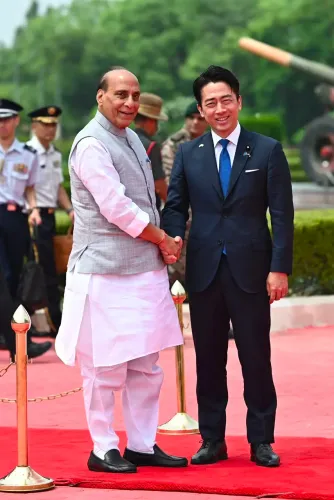
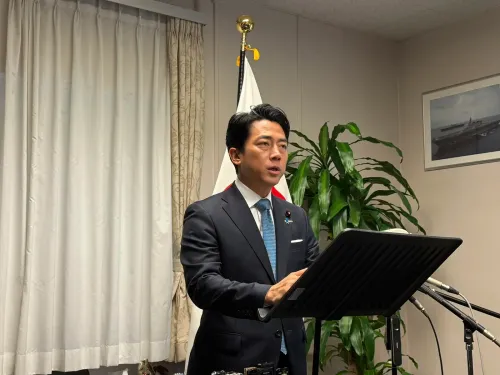
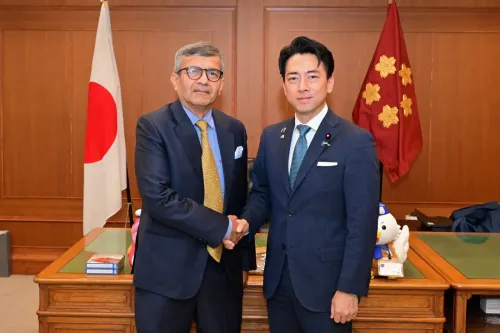
This is Singh and Koizumi's third meeting in 2026 , following engagements in New Delhi (August) and Cebu (October) .
Agenda covers defence equipment and technology collaboration , maritime security , joint exercises across all three services, and industrial partnerships.
Both nations are expected to reaffirm commitment to a free, open, and rule-based Indo-Pacific .
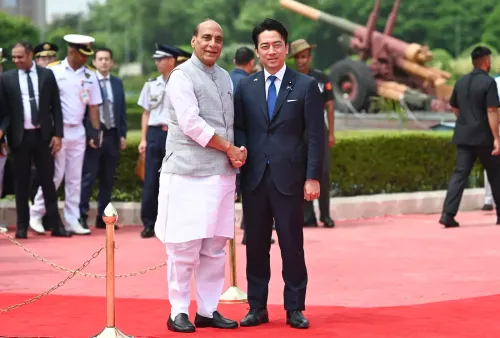
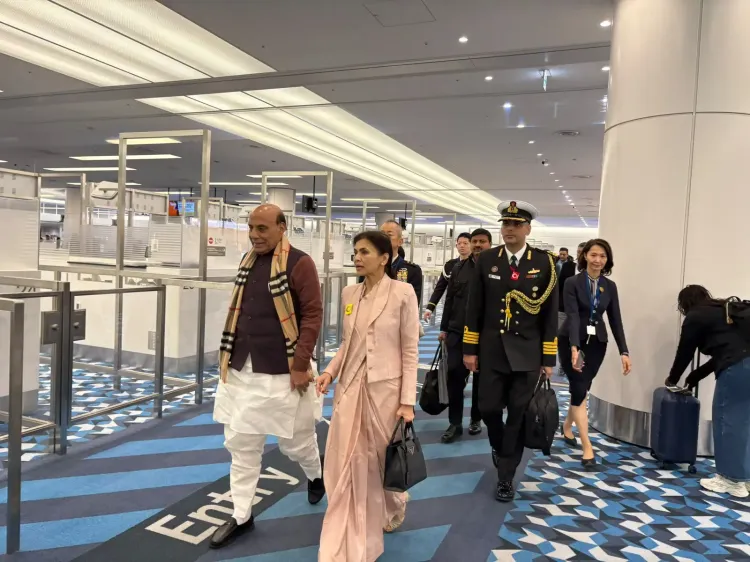
Defence Minister Rajnath Singh arrived in Tokyo on Wednesday, 18 November 2026, to participate in the fourth edition of the India-Japan Foreign and Defence Ministers' Dialogue (2+2) and hold bilateral talks with his Japanese counterpart Shinjiro Koizumi. Singh was received at the airport by India's Ambassador to Japan Nagma Mallick.
Key Participants and Agenda
The 2+2 Ministerial Dialogue will be co-chaired on the Indian side by Rajnath Singh and External Affairs Minister S. Jaishankar, and on the Japanese side by Koizumi and Japan's Minister for Foreign Affairs Toshimitsu Motegi. According to the Ministry of Defence (MoD), both sides will review the full spectrum of bilateral strategic and defence cooperation, exchange views on regional and global developments, and reaffirm their shared commitment to a free, open, inclusive, and rule-based Indo-Pacific.
Building on Prior Momentum
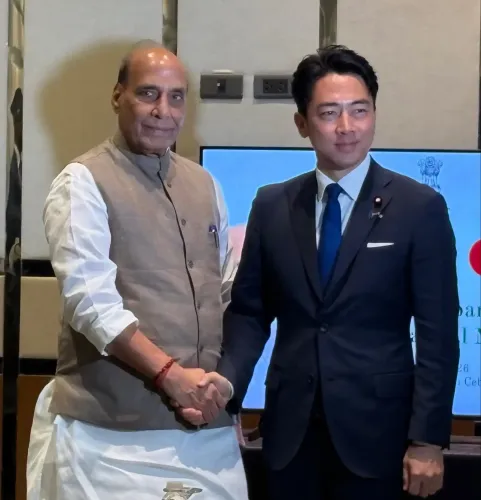
This marks Singh and Koizumi's third meeting in 2026, following earlier interactions in New Delhi in August and on the sidelines of the ASEAN Defence Ministers' Meeting-Plus in Cebu in October. The two ministers are expected to advance discussions on defence equipment and technology collaboration, maritime security, expanded joint exercises across all three services, and deeper industrial partnerships. The MoD had noted that the visit aims to 'further deepen bilateral defence ties and chart the roadmap for enhanced operational and industrial synergy between the two countries.'
What Singh Said
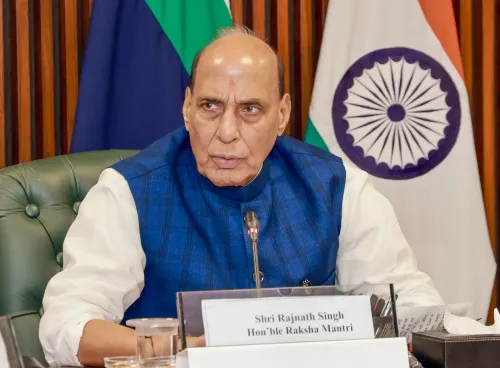
Ahead of his departure, Singh posted on X on Tuesday that India and Japan share a 'Special Strategic and Global Partnership rooted in mutual trust, democratic values, and a shared vision for a free, open, and rules-based Indo-Pacific.' He added that the visit would focus on reviewing progress in defence and security cooperation and exploring new avenues for collaboration in technology, maritime security, and regional stability.
Strategic Significance
The 2+2 format — which brings together both the foreign and defence ministers of two countries — is reserved for India's closest strategic partners; Japan was among the first nations outside the West to be granted this framework. The meeting comes at a time of heightened regional attention to Indo-Pacific security dynamics, with China's assertiveness and North Korea's military posture continuing to shape the security calculus for both New Delhi and Tokyo. The fourth iteration of this dialogue signals that the partnership is deepening beyond symbolic gestures toward tangible military and industrial integration.
Outcomes from the dialogue, including any joint statements or new cooperation agreements, are expected to be announced by the end of Singh's visit.
Point of View
And Japan sits in that exclusive tier. That this is the third Singh-Koizumi meeting in a single year underscores an urgency that official communiqués understate. What mainstream coverage tends to miss is the industrial dimension: joint exercises and maritime security get the headlines, but the defence equipment and technology collaboration thread is where the partnership could yield durable strategic weight. India's defence export ambitions and Japan's loosening of its post-war arms-transfer constraints create a rare convergence of interests. Whether both sides can move from framework agreements to actual co-production contracts is the test this dialogue must eventually answer.
NationPress
18 Nov 2026
Frequently Asked Questions
What is the India-Japan 2+2 Ministerial Dialogue?
The India-Japan 2+2 Ministerial Dialogue is a high-level strategic forum that brings together the foreign and defence ministers of both countries to review defence cooperation, exchange views on regional security, and align on Indo-Pacific strategy. The 18 November 2026 meeting in Tokyo is the fourth edition of this dialogue.
Who is representing India at the 2+2 dialogue in Tokyo?
India is represented by Defence Minister Rajnath Singh and External Affairs Minister S. Jaishankar. The Japanese side is co-chaired by Defence Minister Shinjiro Koizumi and Foreign Affairs Minister Toshimitsu Motegi.
What are the key issues on the agenda?
According to the Ministry of Defence, the agenda includes reviewing bilateral strategic and defence cooperation, advancing defence equipment and technology collaboration, maritime security, expanding joint military exercises across all three services, and deepening industrial partnerships.
Why is this meeting significant for India-Japan relations?
This is Rajnath Singh and Shinjiro Koizumi's third meeting in 2026 alone, signalling accelerating momentum in the relationship. The 2+2 format is reserved for India's closest strategic partners, and the fourth edition of the dialogue reflects a deepening of ties beyond symbolic engagement toward concrete military and industrial integration.
What did Rajnath Singh say ahead of his Japan visit?
Singh posted on X on Tuesday that India and Japan share a 'Special Strategic and Global Partnership rooted in mutual trust, democratic values, and a shared vision for a free, open, and rules-based Indo-Pacific.' He said the visit would focus on reviewing defence and security progress and exploring new avenues in technology, maritime security, and regional stability.