CM Bhajan Lal Wishes Jaipur on Foundation Day
Synopsis
On Jaipur's foundation day, Rajasthan CM Bhajan Lal Sharma called on all state residents to strengthen efforts to preserve the Pink City's UNESCO-listed heritage and drive its all-round development.
Key Takeaways
Rajasthan CM Bhajan Lal Sharma posted a foundation-day greeting for Jaipur on 18 November 2026 .
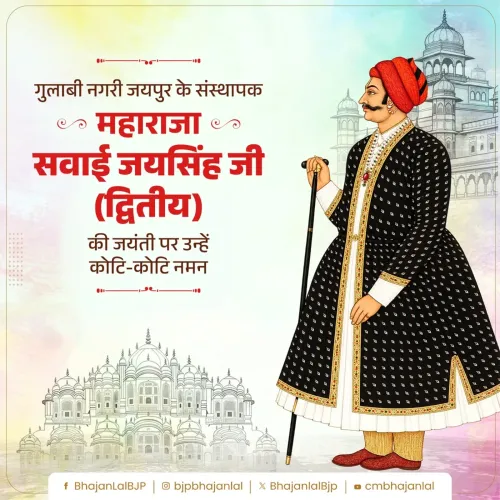
Jaipur was founded in 1727 by Maharaja Sawai Jai Singh II and is popularly called the 'Pink City'.
The city's walled area was inscribed as a UNESCO World Heritage Site in 2019 for its planned layout and architecture.
Sharma urged citizens to collectively commit to heritage conservation, urban beautification, and holistic city development.
The message aligns with Rajasthan leadership's established practice of using local anniversaries to reinforce cultural and tourism priorities.
Three centuries of pink sandstone, royal bazaars, and a city grid so precise it still astonishes urban planners — Jaipur turns another year older, and Rajasthan Chief Minister Bhajan Lal Sharma marked the occasion on Wednesday, 18 November 2026 with a warm public message calling on every resident to redouble their commitment to the city's heritage, beauty, and all-round development.
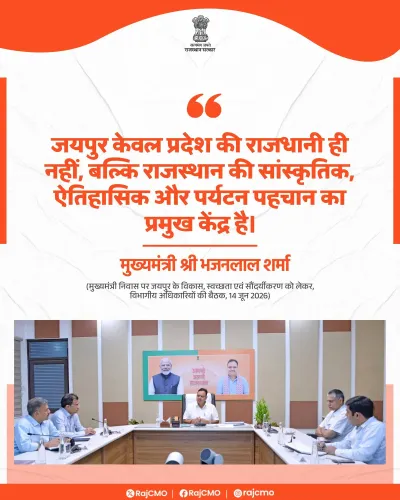
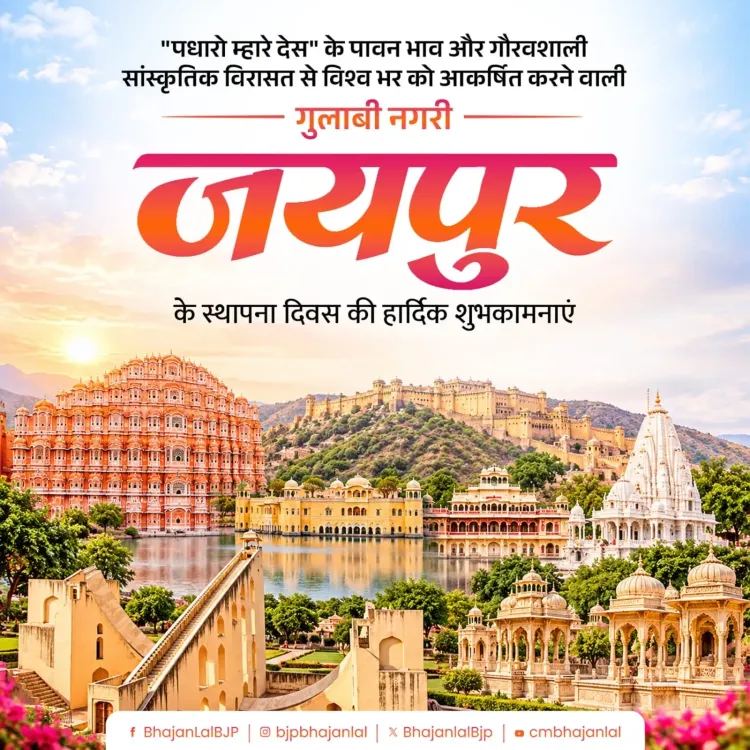
Writing in Hindi, the Chief Minister described Jaipur as the 'gulabi nagri' ('Pink City') — the heartland of Rajasthan — and saluted it as a living symbol of 'sthapatya kala, samridh aitihasik dharohar, jeevant lok-sanskriti aur apratim atithya satkar' ('architectural brilliance, rich historical heritage, vibrant folk culture, and unmatched hospitality'). He extended heartfelt congratulations and best wishes to all residents of the state on the foundation-day anniversary.
A city built by a king, honoured by the world
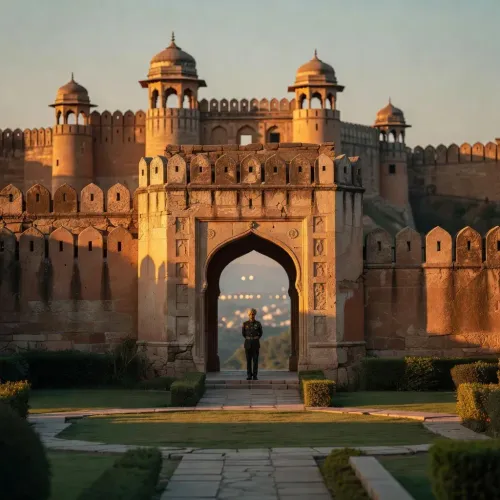
Jaipur was founded in 1727 by Maharaja Sawai Jai Singh II, making it one of India's earliest planned cities. Its distinctive rose-and-terracotta façades — mandated by royal decree — gave the city its enduring 'Pink City' identity. In 2019, UNESCO inscribed Jaipur's walled city as a World Heritage Site, citing its extraordinary grid-based urban planning and harmonious blend of Rajput, Mughal, and European architectural influences — a global seal that has only deepened the conservation imperative for state authorities.
Heritage preservation as a civic pledge
Sharma's message was not merely ceremonial; it carried a pointed civic ask. He urged citizens to collectively strengthen the resolve — 'sankalp ko aur adhik sudridh karein' — to protect this 'priceless legacy' while pushing for urban beautification and holistic growth. The appeal fits a consistent pattern of Rajasthan's state leadership using foundation-day milestones to anchor public conversation around heritage conservation and tourism-linked development.
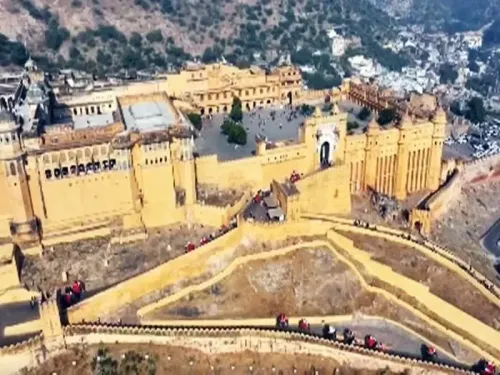
Jaipur is Rajasthan's single largest tourism driver, drawing millions of domestic and international visitors annually to landmarks such as Amber Fort, Hawa Mahal, and Jantar Mantar. Any state-level push on heritage upkeep and urban infrastructure here carries direct economic weight for the tourism sector and local livelihoods alike.
With the foundation-day pledge now on record, the pressure is on the state administration to match the sentiment with concrete budget allocations — and Jaipur's residents will be watching closely.
Point of View
Sharma is signalling that cultural capital remains central to the BJP government's development narrative in the state. The appeal to civic participation also subtly distributes responsibility beyond the administration, a recurring rhetorical device ahead of potential budget discussions. Whether the sentiment translates into ring-fenced allocations for heritage restoration and infrastructure will define how seriously this anniversary message is eventually judged.
NationPress
18 Nov 2026
Frequently Asked Questions
When was Jaipur founded and by whom?
Jaipur was founded in 1727 by Maharaja Sawai Jai Singh II , making it one of India's first planned cities.
Why is Jaipur called the Pink City?
Jaipur earned the name 'Pink City' because of a royal decree that mandated its buildings be painted in a distinctive rose-and-terracotta hue, a tradition maintained to this day.
Is Jaipur a UNESCO World Heritage Site?
Yes. Jaipur's walled city was inscribed as a UNESCO World Heritage Site in 2019 , recognised for its exceptional grid-based urban planning and blend of Rajput, Mughal, and European architectural styles.
What did Rajasthan CM Bhajan Lal Sharma say on Jaipur's foundation day 2026?
CM Sharma extended congratulations to all Rajasthan residents and urged citizens to collectively strengthen the commitment to preserving Jaipur's heritage, enhancing its beauty, and driving its all-round development.
What is Jaipur's foundation day?
Jaipur's foundation day marks the anniversary of the city's establishment in 1727 and is observed annually as an occasion to celebrate the city's history, architecture, and cultural legacy.