Rajnath Singh, Japan's Koizumi hold defence talks at ADMM-Plus in Cebu
Synopsis
India and Japan held their second ministerial-level defence meeting within months, with Rajnath Singh and Koizumi Shinjiro using the ADMM-Plus sidelines in Cebu to push for concrete outcomes under their Special Strategic and Global Partnership. Koizumi's personal pledge to turn talks into results signals a deliberate acceleration of the bilateral defence agenda.
Key Takeaways
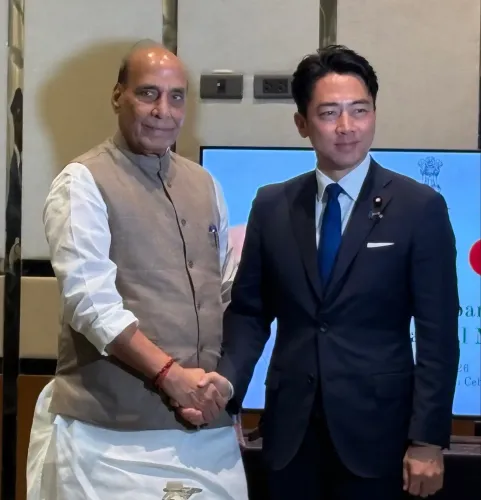
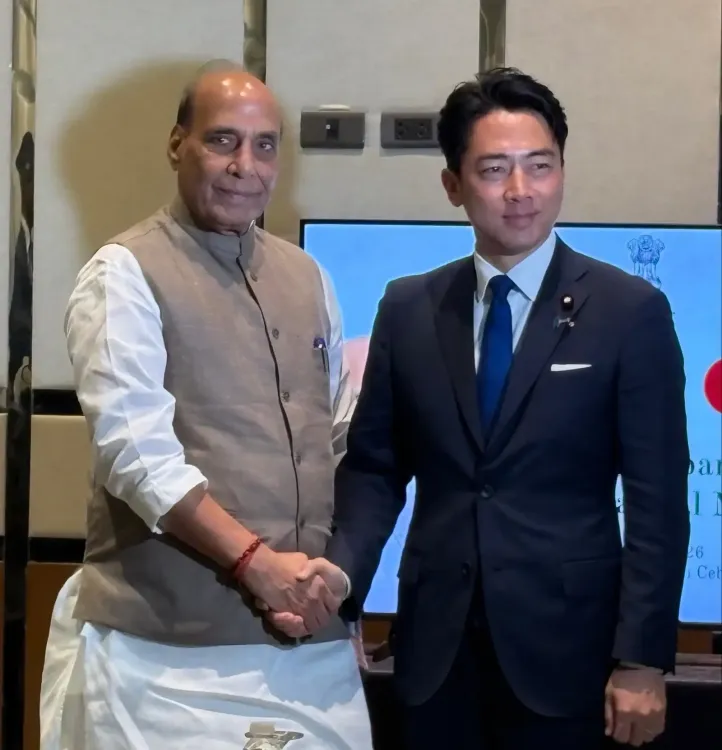
Defence Minister Rajnath Singh and Japan's Koizumi Shinjiro met on 28 October on the sidelines of the 13th ADMM-Plus in Cebu, Philippines .
Both sides reviewed bilateral defence cooperation and explored new avenues under the India-Japan Special Strategic and Global Partnership .
This was the second meeting between the two ministers within a few months, following Koizumi's official visit to India in August .
Both nations reiterated strong opposition to any unilateral attempts to change the status quo by force in the Indo-Pacific.
Koizumi pledged to devote all his efforts to turning Wednesday's discussions into concrete outcomes .
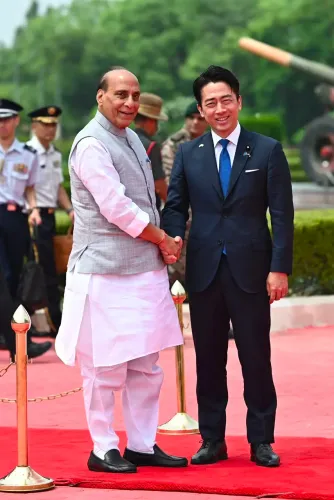
Defence Minister Rajnath Singh and his Japanese counterpart Koizumi Shinjiro on Wednesday, 28 October 2026, held bilateral talks on the sidelines of the 13th ASEAN Defence Ministers' Meeting-Plus (ADMM-Plus) in Cebu, Philippines, reviewing ongoing defence cooperation and exploring fresh avenues to deepen the India-Japan Special Strategic and Global Partnership. The meeting underscored both nations' shared commitment to a free, open, and peaceful Indo-Pacific region.
Key Developments from the Cebu Meeting
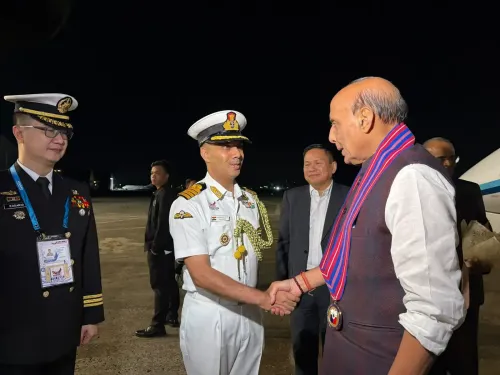
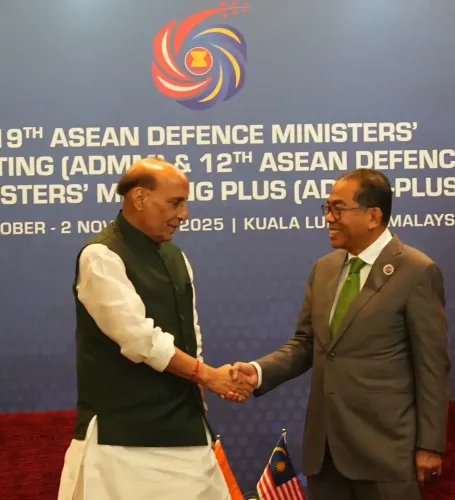
Singh, who is on an official visit to the Philippines to attend the 13th ADMM-Plus on 28–29 October, held several bilateral meetings on its sidelines. The India-Japan dialogue was among the most closely watched, given the elevated geopolitical tensions across the Indo-Pacific. Both ministers reviewed cooperation across their respective defence ministries and armed services, and agreed to accelerate momentum on existing and new initiatives.
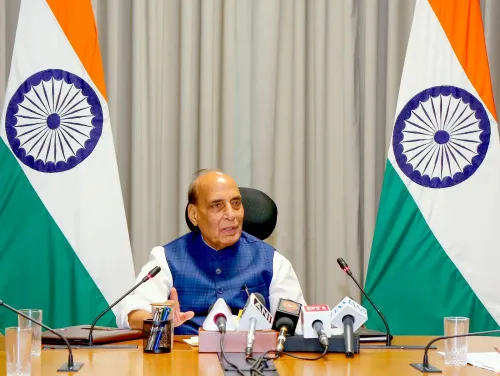
After the meeting, Singh confirmed the discussions in a post on X, describing them as productive. 'Had productive discussions on reviewing our ongoing bilateral defence cooperation and exploring new avenues to further strengthen the India-Japan Special Strategic and Global Partnership. Our shared commitment remains vital for a free, open, and peaceful Indo-Pacific region,' he wrote.
The Second Meeting in Recent Months
This was the second meeting between Singh and Koizumi Shinjiro within a few months. In August, Koizumi visited India and held formal talks with Singh, during which both sides welcomed the steady strengthening of defence cooperation under the framework of the Japan-India Special Strategic and Global Partnership — described as one of the pillars for peace, stability, and prosperity in the Indo-Pacific.
At the August meeting, the two ministers had also concurred on the importance of sharing assessments of the regional and international security environment, particularly at a time of heightened global tensions. They expressed strong opposition to any unilateral actions that impede freedom and safety of navigation and overflight, as well as to any attempts to change the status quo by force or coercion, according to the joint press statement issued after those talks.
Koizumi's Pledge on Concrete Outcomes
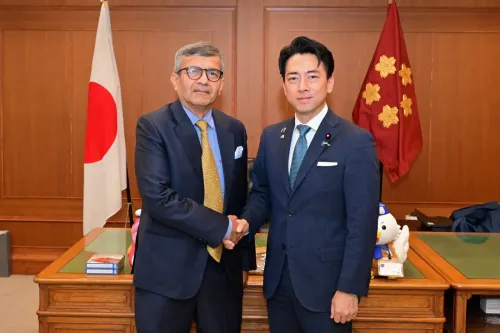
Following the Cebu meeting, Koizumi Shinjiro expressed optimism about translating the discussions into tangible progress. 'When the meeting concluded, Minister of Defence Singh put his arm around me and expressed his delight, saying, "It was a very fruitful meeting." We were able to make a new start in accelerating Japan-India defence cooperation. Moving forward, I will devote all my efforts to turning today's discussions into concrete outcomes in order to further strengthen our personal trust relationship. Minister of Defence Singh, thank you very much,' Koizumi said.
Broader Context: Indo-Pacific Security Architecture
The ADMM-Plus platform, which brings together the 10 ASEAN member states and 8 dialogue partners including India and Japan, has become an increasingly significant forum as strategic competition in the Indo-Pacific intensifies. India and Japan, both democracies with aligned strategic interests, have steadily elevated their defence partnership over the past decade — encompassing joint exercises, defence equipment cooperation, and intelligence-sharing frameworks. Notably, this is the second ministerial-level bilateral meeting between the two nations within the same calendar year, a marker of the relationship's growing urgency and depth.
With both sides committing to follow through on Wednesday's discussions, the next concrete test will be whether the latest round of talks yields new agreements on logistics, interoperability, or joint production — areas that experts say remain underexplored relative to the partnership's stated ambitions.
Point of View
Especially on hardware and interoperability. Koizumi's pointed pledge to deliver 'concrete outcomes' is a rare instance of a defence minister self-imposing a results test in public. The real question is whether the partnership can move from statements of convergence to operational depth — joint production, logistics agreements, and interoperability protocols — before the next Indo-Pacific flashpoint forces the issue.
NationPress
28 Oct 2026
Frequently Asked Questions
What did Rajnath Singh and Koizumi Shinjiro discuss at ADMM-Plus 2026?
The two defence ministers reviewed ongoing bilateral defence cooperation and explored new avenues to strengthen the India-Japan Special Strategic and Global Partnership. They also reaffirmed their shared commitment to a free, open, and peaceful Indo-Pacific, opposing any unilateral attempts to change the status quo by force.
Where and when did the India-Japan defence meeting take place?
The meeting took place on 28 October 2026 on the sidelines of the 13th ASEAN Defence Ministers' Meeting-Plus (ADMM-Plus) in Cebu, Philippines.
Is this the first time Rajnath Singh and Koizumi Shinjiro have met?
No, this was their second meeting within a few months. Koizumi Shinjiro visited India in August, where both ministers welcomed the strengthening of defence ties and agreed on the importance of sharing regional security assessments.
What is the India-Japan Special Strategic and Global Partnership?
It is the highest tier of the bilateral relationship between India and Japan, encompassing defence, economic, and diplomatic cooperation. In the defence domain, it covers cooperation between the two countries' ministries and armed services, and is regarded as a key pillar of Indo-Pacific peace and stability.
What happens next after the Cebu talks?
Japanese Defence Minister Koizumi Shinjiro has pledged to convert Wednesday's discussions into concrete outcomes, suggesting follow-up action on defence cooperation agreements. Observers will watch for announcements on joint exercises, logistics arrangements, or equipment cooperation in the coming months.