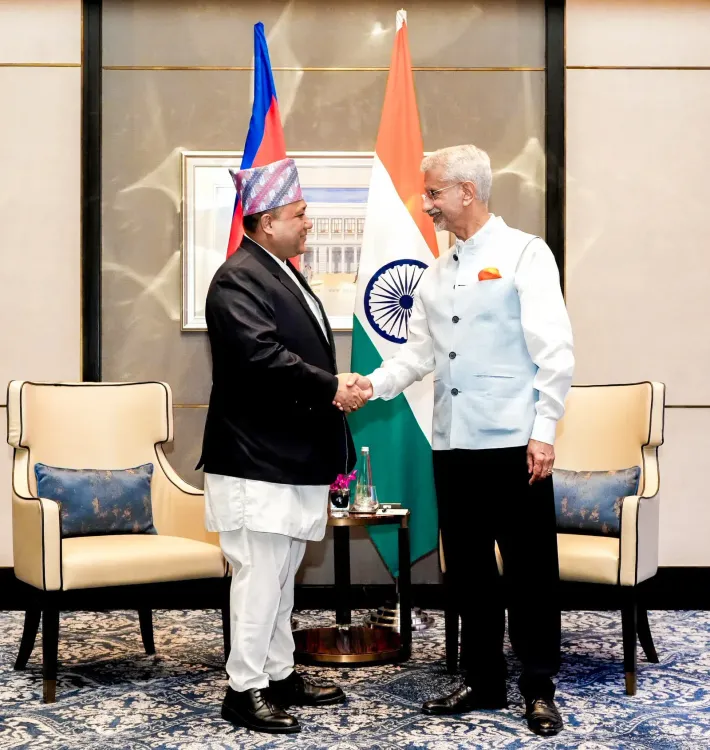
India-Nepal ties enter pragmatic new phase with MoUs on trade, energy, judiciary
Synopsis
Nepal's new leadership has quietly reoriented the country's relationship with India — less symbolism, more structure. A cluster of MoUs signed in early 2026 on customs, environment, and judicial cooperation signals that both sides are betting on institutional depth to anchor ties that have historically swung between warmth and friction.
Key Takeaways
India and Nepal have entered a pragmatic, protocol-driven new phase of bilateral relations, according to a Nepal Aaja report.
An MoU on Customs Data Exchange was signed in January 2026 to enable electronic data sharing and faster goods clearance.
A second MoU on environmental cooperation was signed in February 2026 , covering forestry, wildlife corridors, biodiversity, and climate change.
The Supreme Courts of both nations signed an MoU to deepen judicial cooperation, including judge training and technology sharing.
Energy security — particularly Nepal's hydropower exports to India — remains the cornerstone of the partnership.
India's Neighbour First policy is cited as a key driver of structured development assistance supporting Nepal's LDC graduation .
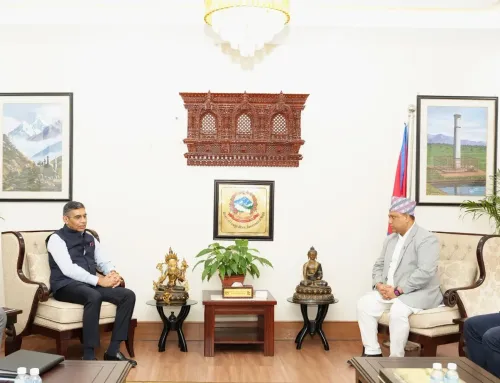
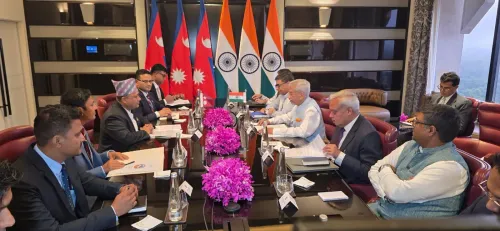
The India-Nepal bilateral relationship has entered a distinctly pragmatic phase, anchored in mutual benefit, security, and structured cooperation, according to a report published by Nepal Aaja, a Kathmandu-based media outlet. The shift, observed in 2025-26, reflects a broader global trend toward pragmatic diplomacy amid mounting geopolitical uncertainties.
Key Developments in Bilateral Cooperation
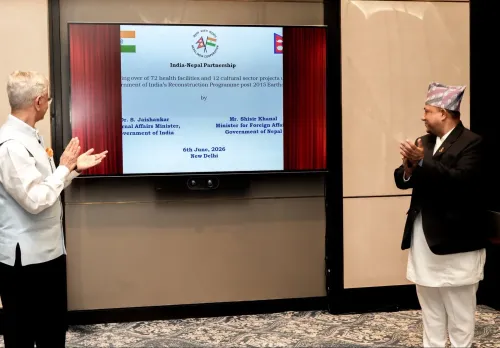
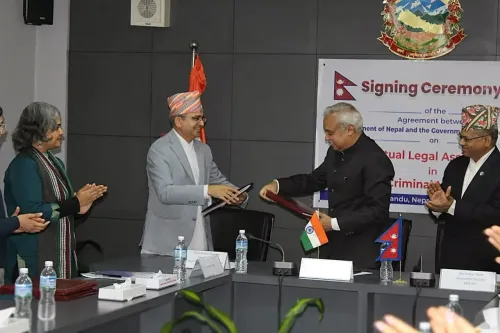
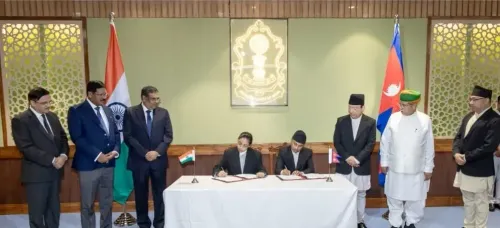
Nepal's new leadership has steered ties with India toward a more economically grounded, sovereignty-conscious, and protocol-driven partnership — a reset that experts cited in the report are calling a defining new chapter. Alongside fresh commitments to resolve longstanding border disputes, both governments have signed a series of memoranda of understanding (MoUs) spanning trade, environment, and judicial cooperation.
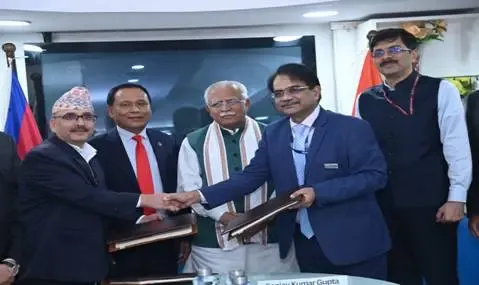
In January 2026, the two countries signed an MoU on Customs Data Exchange, designed to accelerate goods clearance through pre-arrival export information. The agreement enables both sides to exchange data electronically within legal boundaries and use it for risk analysis, enhancing customs control and trade facilitation on both sides of the border.
Environment, Judiciary, and Institutional Ties
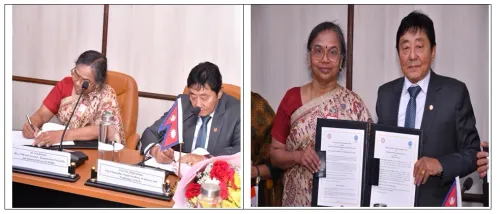
In February 2026, India and Nepal formalised an MoU on environmental cooperation, covering forestry, wildlife conservation, biodiversity, and climate change. The pact specifically provides for the restoration of wildlife corridors and connected habitats, along with the exchange of technical expertise and best practices.
A separate MoU between the Supreme Courts of both nations was signed to deepen judicial cooperation. The agreement covers the exchange of information on legal and judicial developments, training programmes for judges and officials, and the sharing of technology used in respective judicial institutions — reflecting the growing role of digital tools in expediting court processes.
Energy Security at the Core
Energy security remains the cornerstone of the India-Nepal partnership, according to the report. India continues to serve as the primary market for Nepal's vast, largely untapped hydropower resources. The two governments have also expanded focus on green energy partnerships and digital integration as part of a broader push for regional sustainability and economic growth.
India's Neighbour First Policy and Nepal's LDC Graduation
Experts cited in the report noted that India's Neighbour First policy plays a crucial role in channelling structured development assistance toward Nepal, supporting the country's transition away from Least Developed Country (LDC) status. The policy framework has provided institutional scaffolding for the current wave of bilateral agreements.
Taken together, the renewed engagement signals a recalibration — one that prioritises economic pragmatism and institutional depth over symbolic gestures. How the two sides translate these MoUs into on-ground outcomes will determine whether this phase marks a durable shift or another chapter of aspirational diplomacy.
Point of View
Not just diplomatically — Nepal's new leadership appears to have consciously moved from identity-driven foreign policy posturing toward transactional, institution-anchored engagement with India. The customs data MoU alone could meaningfully reduce border trade friction, which has long been a source of bilateral irritation. Yet the real test lies in implementation: India-Nepal agreements have historically accumulated on paper faster than they have delivered on the ground. The inclusion of Supreme Court cooperation and wildlife corridor restoration suggests a deliberate attempt to broaden the relationship beyond the perennial hydropower-and-trade axis — a maturation worth watching, but not yet celebrating.
NationPress
25 Sept 2026
Frequently Asked Questions
What is the new phase of India-Nepal relations about?
The new phase refers to a pragmatic, economically grounded, and protocol-driven reset in bilateral ties, steered by Nepal's new leadership. It is characterised by a series of institutional MoUs signed in early 2026 covering trade, environment, and judicial cooperation, alongside fresh commitments to address border disputes.
What did the India-Nepal Customs Data Exchange MoU involve?
Signed in January 2026, the MoU enables India and Nepal to exchange export data electronically before goods arrive at the border, facilitating faster customs clearance. The data can also be used for risk analysis to strengthen customs control and trade facilitation on both sides.
What does the India-Nepal environmental MoU cover?
The February 2026 MoU covers forestry, wildlife conservation, biodiversity, and climate change. It specifically provides for the restoration of wildlife corridors and connected habitats, and facilitates the sharing of technical expertise and best practices between the two governments.
Why is energy security central to India-Nepal ties?
India is the primary market for Nepal's substantial but largely untapped hydropower resources, making energy trade a structural anchor of the relationship. Both sides have also expanded cooperation on green energy partnerships and digital integration as part of their broader bilateral agenda.
How does India's Neighbour First policy affect Nepal?
India's Neighbour First policy provides a framework for structured development assistance to Nepal, including support for the country's graduation from Least Developed Country status. Experts cited in the Nepal Aaja report describe it as a key institutional driver of the current phase of bilateral engagement.