Jaishankar, Poland FM Sikorski review India-Poland Joint Action Plan 2024-28
Synopsis
EAM Jaishankar's Warsaw visit was more than a bilateral check-in — it placed India's Russia-Ukraine shuttle diplomacy squarely in a European capital. With Modi-Putin talks in Bishkek and Jaishankar's own Kyiv visit all within days, India is running the most active non-Western mediation track in the conflict, even as it deepens ties with a NATO frontline state like Poland.
Key Takeaways
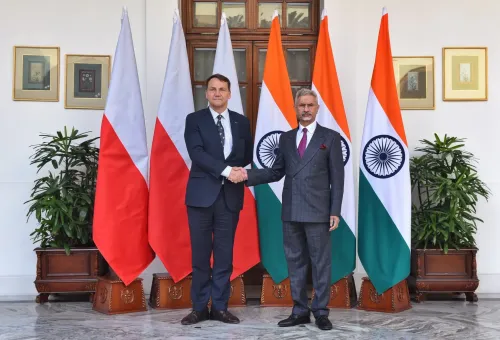
EAM S Jaishankar met Polish FM Radosław Sikorski in Warsaw on 4 September to review the India-Poland Joint Action Plan 2024-28 .
Talks covered trade, investment, space, AI, semiconductors, defence, education, shipping, mining, energy, and multilateral cooperation .
Jaishankar expressed confidence that the India-EU FTA will further deepen bilateral ties once it enters into force.
India confirmed continuous diplomatic engagement with both Russia and Ukraine , with Jaishankar visiting Moscow and Kyiv in recent days.
PM Modi and President Putin met in Bishkek three days before the Warsaw meeting.
Jaishankar called for an end to 'endless war', reiterating India's push for conflict cessation.
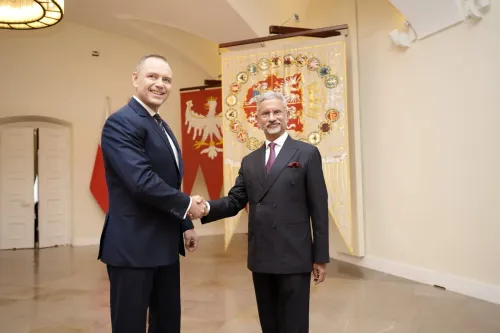
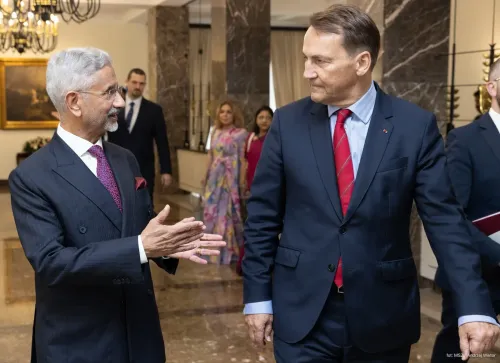
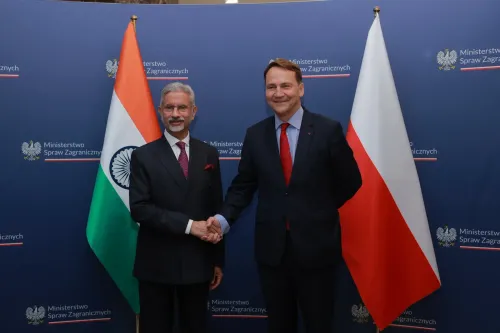
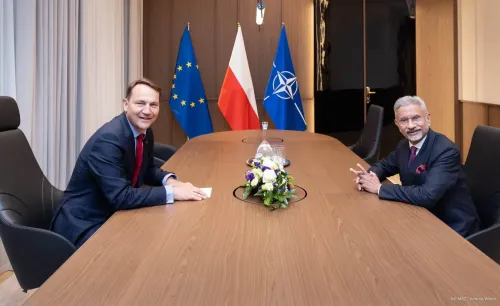
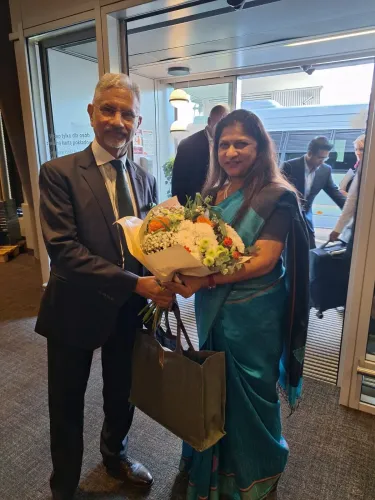
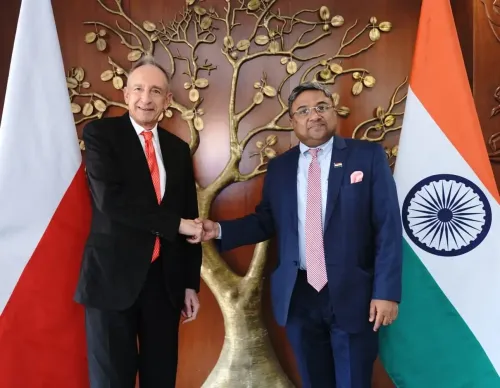
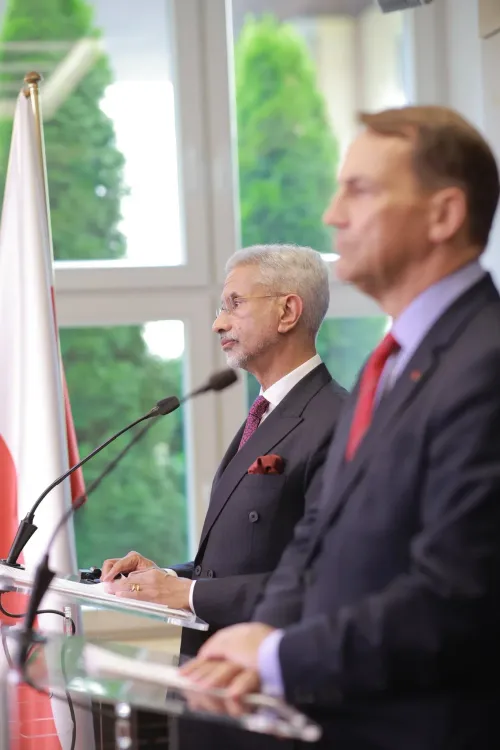
External Affairs Minister S Jaishankar on Friday, 4 September met Radosław Sikorski, Deputy Prime Minister and Foreign Minister of Poland, in Warsaw to review the progress of the India-Poland Joint Action Plan 2024-28. The talks spanned a wide agenda — from trade and technology to defence and the ongoing Russia-Ukraine conflict.
Key Areas of the Joint Action Plan Review
In a post on X following the meeting, Jaishankar said the two sides focused on trade and investment, space, digital, AI, semiconductors, defence, education, shipping, mining, energy, people-to-people ties, culture, and multilateral cooperation. The breadth of the agenda reflects the expanding scope of India-Poland bilateral engagement since the Joint Action Plan was formalised in 2024.
Jaishankar also expressed confidence that the India-EU Free Trade Agreement (FTA), once it enters into force, will deepen bilateral cooperation further. 'Value Poland's support for deeper India-EU cooperation. Confident that the entry into force of the FTA will lead to even closer bilateral cooperation,' he said.
Global Challenges: Supply Chains, Food, Fuel and Fertiliser
The two ministers discussed what Jaishankar described as 'complex global challenges', including supply chain resilience and food, fuel and fertiliser security — themes that have dominated multilateral diplomacy since the Russia-Ukraine war disrupted commodity markets. Jaishankar's pointed remark — 'Endless war must give way to end of war' — signalled India's continued push for a negotiated resolution.
India's Role in Russia-Ukraine De-escalation
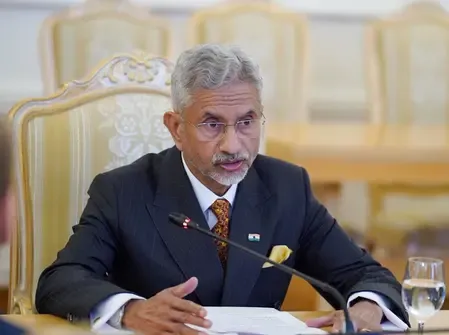
At a joint press conference with Sikorski, Jaishankar elaborated on India's diplomatic efforts between Moscow and Kyiv. He confirmed that India has maintained continuous engagement with both sides, noting that he had visited Moscow days earlier and then travelled to Kyiv. He also referenced a meeting between Prime Minister Narendra Modi and President Vladimir Putin in Bishkek three days prior.
'What we had were discussions, fairly detailed discussions with the Russian side. Yesterday, with the Ukrainian side. And what we are trying to do is to see if, you know, there are ideas and suggestions that can be developed in some way in which they would contribute to the mitigation, ideally the cessation of the conflict,' Jaishankar said.
He declined to go into specifics, citing the sensitivity of ongoing diplomatic exchanges, but underscored that India's engagement is active and substantive on both fronts.
What This Visit Signals
The Warsaw stop is part of a broader diplomatic push by Jaishankar across Europe, reinforcing India's position as an independent actor on the global stage — engaged with all parties in the Ukraine conflict without formally aligning with any bloc. Notably, India's simultaneous outreach to both Russia and Ukraine has drawn attention in European capitals, where New Delhi's neutrality has been viewed with a mix of appreciation and scepticism. Poland, as a NATO frontline state and a strong backer of Ukraine, represents a particularly significant interlocutor for India on this issue.
As the Joint Action Plan enters its second year, both sides are expected to operationalise commitments across the identified sectors, with the potential India-EU FTA serving as a structural accelerant for bilateral trade.
Point of View
All within the same week as a Warsaw stop — is not incidental. It is a deliberate signal that New Delhi sees itself as a credible back-channel, not merely a neutral bystander. The question European capitals will ask is whether India's mediation ambitions translate into concrete proposals, or remain a posture that serves New Delhi's strategic autonomy without advancing a settlement. Poland's position as both a NATO frontline state and a growing India partner makes Warsaw an unusually revealing test of how far that autonomy can stretch before it creates friction with India's European partners.
NationPress
4 Sept 2026
Frequently Asked Questions
What is the India-Poland Joint Action Plan 2024-28?
The India-Poland Joint Action Plan 2024-28 is a bilateral framework outlining cooperation across sectors including trade, defence, space, digital technology, AI, semiconductors, education, shipping, mining, energy, and cultural ties. It was formalised in 2024 and is reviewed periodically by senior officials from both sides.
What did Jaishankar and Sikorski discuss in Warsaw?
The two ministers reviewed progress on the Joint Action Plan 2024-28, discussed global challenges such as supply chain resilience and food, fuel and fertiliser security, and addressed India's role in facilitating de-escalation in the Russia-Ukraine conflict. Jaishankar also highlighted India's support for deeper India-EU cooperation.
What is India's role in the Russia-Ukraine conflict?
India has maintained continuous diplomatic engagement with both Russia and Ukraine, according to Jaishankar. He confirmed visits to Moscow and Kyiv within days of each other and referenced a Modi-Putin meeting in Bishkek, describing India's goal as exploring 'ideas and suggestions' that could contribute to mitigation or cessation of the conflict.
How does the India-EU FTA relate to India-Poland ties?
Jaishankar said Poland has been supportive of deeper India-EU cooperation and expressed confidence that once the India-EU Free Trade Agreement enters into force, it will serve as a structural accelerant for bilateral trade and investment between India and Poland.
Why is Poland significant for India's European diplomacy?
Poland is a NATO frontline state and a strong backer of Ukraine, making it a strategically important interlocutor for India as New Delhi pursues an independent diplomatic line on the Russia-Ukraine conflict. The growing India-Poland bilateral agenda also positions Warsaw as a key node in India's broader European engagement.