India polio-free 15 years, Pakistan still battles wild poliovirus: Experts
Synopsis
India eliminated wild poliovirus 15 years ago; Pakistan and Afghanistan are the last two countries where it still circulates. Experts say the gap isn't just about vaccines — it's about surveillance gaps, community trust deficits, and the absence of the sustained political commitment that made India's eradication possible.
Key Takeaways
Pakistan and Afghanistan are the only two countries where wild poliovirus still circulates as of 2026 .
India reported its last wild poliovirus case in January 2011 and was declared polio-free in 2014 .
Experts say Pakistan's challenge includes population movement, uneven immunisation, cross-border migration, and misinformation — not vaccine hesitancy alone.
Environmental surveillance of sewage samples has become a critical tool since most poliovirus infections cause no paralysis.
Genetically linked strains in Pakistan and Afghanistan highlight the need for coordinated cross-border vaccination and information-sharing.
Specialists credit India's success to a combination of immunisation drives, community mobilisation, rigorous surveillance, and WHO technical support — not any single factor.
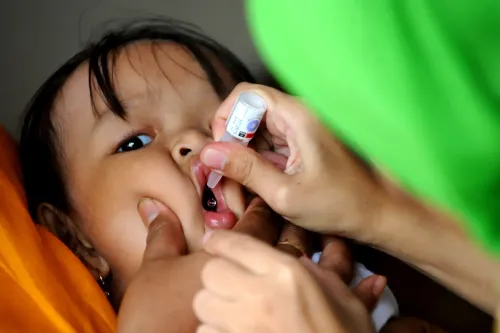
Pakistan remains one of only two countries in the world — alongside Afghanistan — where wild poliovirus continues to circulate, even as neighbouring India marked 15 years since its last recorded case of the disease. Public health experts say repeated vaccination campaigns alone will not be sufficient to eliminate polio in Pakistan, calling instead for a sharper focus on reaching missed children, rebuilding community trust, and strengthening accountability mechanisms.
India's Eradication: A Model Under the Microscope
India reported its last wild poliovirus case in January 2011 and was officially declared polio-free by the World Health Organisation (WHO) in 2014. Bangladesh has also maintained its polio-free status. Experts stress that India's success was not the result of any single intervention. It emerged from a combination of sustained immunisation drives, rigorous surveillance of vulnerable geographies, effective community mobilisation, and an environmental monitoring system capable of detecting the virus before paralytic cases could appear.
Notably, specialists caution against attributing India's achievement solely to domestic health governance. While national ownership was critical, international organisations — including the WHO — provided indispensable technical expertise and surveillance support, according to reports. The lesson for Pakistan, experts argue, is that the two elements are complementary, not competing.
Why Pakistan Continues to Struggle
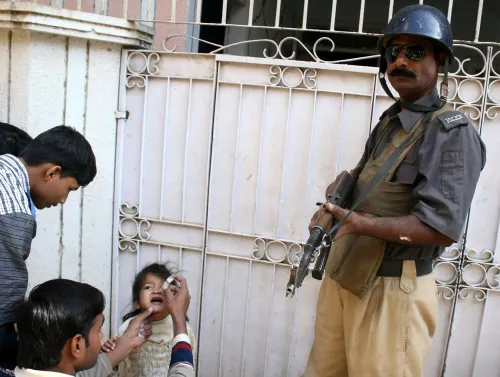
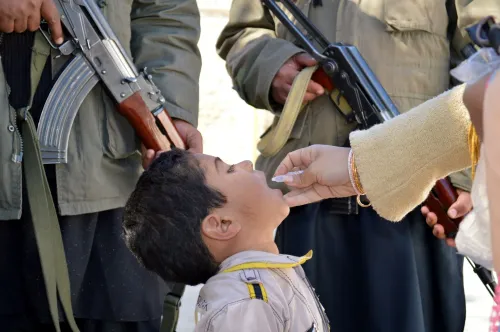
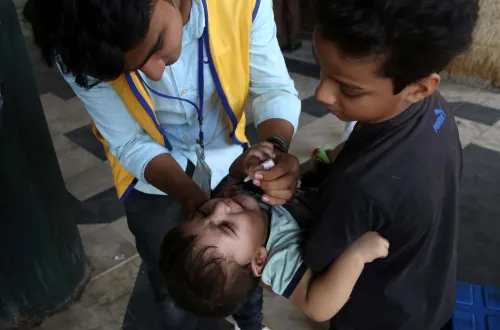
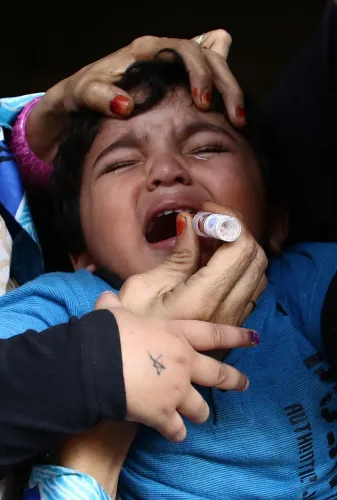
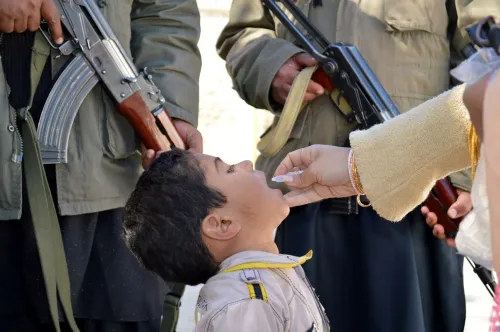
The challenge in Pakistan extends well beyond vaccine hesitancy, health officials say. A significant number of children continue to be missed due to population movement, uneven routine immunisation coverage, cross-border migration, and insecurity in certain regions. Misinformation and deep-rooted distrust in some communities have added another layer of difficulty, contributing to outright vaccine refusals and complicating nationwide eradication efforts.
This comes amid persistent concerns from global health bodies that the two remaining poliovirus-endemic countries — Pakistan and Afghanistan — represent the last significant reservoir of the disease worldwide. The longer transmission continues, the greater the risk of re-exportation to polio-free nations.
Environmental Surveillance: The Critical Detection Tool
Experts emphasise that the absence of paralytic polio cases does not confirm that transmission has ended. Since the vast majority of poliovirus infections do not cause paralysis, environmental surveillance — particularly the systematic testing of sewage samples — has become an essential tool for detecting viral circulation even in asymptomatic populations. Laboratory testing and genetic sequencing further allow authorities to map transmission chains and identify outbreak linkages across regions.
Cross-Border Coordination: An Unfinished Agenda
The continued detection of genetically related poliovirus strains in both Pakistan and Afghanistan underscores the urgent need for deeper bilateral coordination, health experts say. Frequent cross-border population movement means that vaccination campaigns, surveillance activities, and information-sharing mechanisms between the two countries must be aligned and synchronised to prevent the virus from spreading between populations. Without coordinated action, progress in one country risks being undermined by transmission in the other.
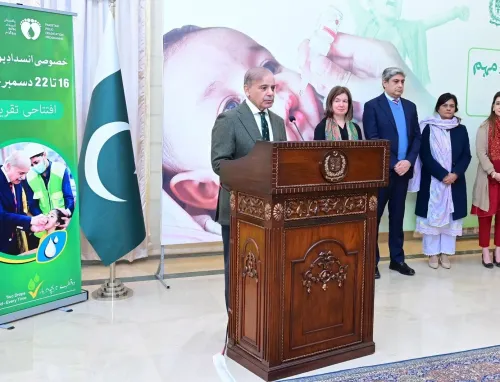
As the global health community pushes toward final polio eradication, Pakistan's path forward will require more than campaign repetition — it will demand structural reforms in immunisation delivery, transparent accountability, and sustained political will of the kind that helped India and much of South Asia consign the disease to history.
Point of View
Where cross-border movement repeatedly undoes localised gains. Celebrating India's milestone is legitimate; using it as a simple mirror for Pakistan's failures risks obscuring the security, governance, and cross-border coordination dimensions that vaccine campaigns alone cannot solve.
NationPress
15 Nov 2026
Frequently Asked Questions
When did India become polio-free?
India reported its last wild poliovirus case in January 2011 and was officially certified polio-free by the World Health Organisation in 2014. The achievement followed years of intensive immunisation drives, environmental surveillance, and community engagement.
Why is Pakistan still struggling to eliminate polio?
Pakistan faces a combination of challenges including population movement, uneven routine immunisation coverage, cross-border migration, insecurity in certain regions, and vaccine misinformation. Health experts say these structural barriers mean that repeated vaccination campaigns alone are insufficient without stronger accountability and community trust.
Which countries still have wild poliovirus?
As of 2026, Pakistan and Afghanistan are the only two countries in the world where wild poliovirus continues to circulate, despite decades of vaccination efforts and extensive international support.
What role does environmental surveillance play in polio eradication?
Environmental surveillance — primarily the testing of sewage samples — is now a critical detection tool because most poliovirus infections do not cause paralysis, meaning transmission can continue invisibly. Combined with genetic sequencing, it allows health authorities to track transmission chains and identify outbreak links before paralytic cases emerge.
Why does cross-border coordination between Pakistan and Afghanistan matter for polio?
Genetically related poliovirus strains have been detected in both Pakistan and Afghanistan, indicating that the virus moves between the two countries through frequent cross-border population movement. Without aligned vaccination campaigns, surveillance, and information-sharing, progress in one country can be undone by transmission in the other.