Congress-SP to contest UP polls together; BJP dismisses alliance
Synopsis
Congress and SP are publicly committed to a joint fight in Uttar Pradesh, but privately divided over seats — Congress reportedly wants 181 of 403, while SP is offering 50 to 60. The BJP is not worried; it argues every opposition coalition it has faced has only sharpened its own vote consolidation.
Key Takeaways
Congress and Samajwadi Party leaders confirmed they intend to contest the upcoming Uttar Pradesh Assembly elections together.
Seat-sharing talks are ongoing; Congress is reportedly seeking 181 seats , while SP is said to be comfortable offering around 50 to 60 .
BJP spokesperson T.R.
Srinivas argued the alliance would not challenge the BJP, saying more opposition parties uniting historically benefits the ruling party.
Congress leader Abhishek Dutt said organisational preparation is underway across all 403 Assembly constituencies .
NCP-SP spokesperson Naseem Siddiqui defended coalitions as democratic but said Congress's demand for 181 seats is not proportionate to its strength in the state.
Congress has not held power in Uttar Pradesh since 1989 , a gap of nearly 36 to 37 years .
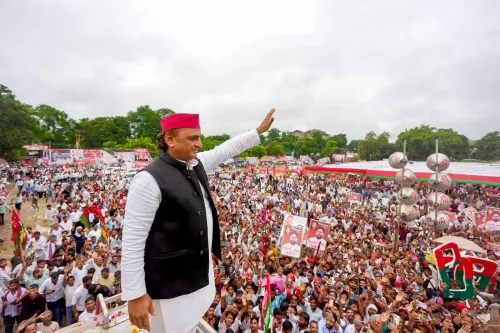
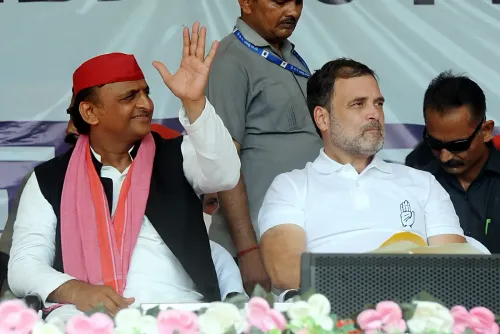
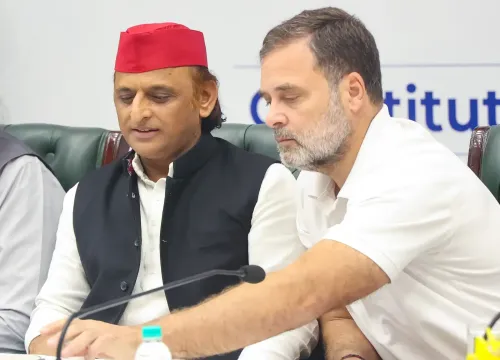
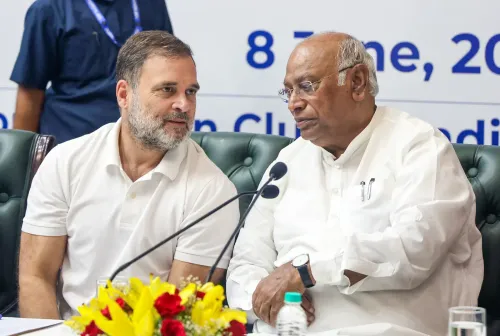
Congress and Samajwadi Party (SP) leaders on Sunday, 15 November, expressed firm confidence about contesting the upcoming Uttar Pradesh Assembly elections jointly, even as the two parties remain locked in seat-sharing negotiations. The Bharatiya Janata Party (BJP), meanwhile, dismissed the alliance as inconsequential, arguing that a larger opposition coalition would only benefit the ruling party.
What Congress Leaders Said
Congress leader Abhishek Dutt said organisational groundwork was already underway across all 403 Assembly constituencies in Uttar Pradesh, and that final decisions on seat distribution would be made by senior leadership in consultation with SP Chief Akhilesh Yadav. 'We are going to defeat the BJP together,' Dutt said, adding that parties which only appear during elections and disappear afterwards were not serving voters well.
Congress MP Pramod Tiwari welcomed Akhilesh Yadav's public statement on joint contesting, citing their coordinated performance in Parliament as evidence of the alliance's value. 'We fought together in Parliament and benefited from it. We will fight together in the Uttar Pradesh Assembly polls and form the government in the state,' Tiwari said. He pointed to the alliance's earlier tally of 47 seats as a baseline for optimism, while acknowledging challenges ahead.
Former Union Minister and Congress leader Salman Khurshid said the two parties were engaged in what he described as 'an honest conversation,' and expressed hope that a mutually acceptable seat-sharing arrangement would emerge. 'I just pray and hope for the best,' Khurshid said.
BJP Pushes Back
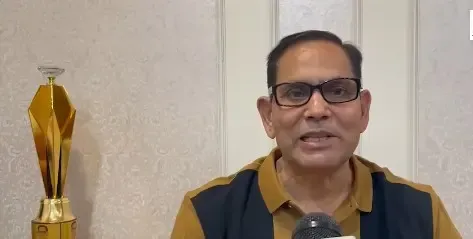
BJP spokesperson T.R. Srinivas was dismissive. He argued that Congress has a historically weak record in direct electoral battles against the BJP, and that a broader opposition front would paradoxically benefit the ruling party. 'The more parties come together, the better for us,' Srinivas said, alleging that both Congress and the Samajwadi Party seek to mobilise voters along caste and religious lines rather than developmental issues. He said BJP would be judged on its record in development, investment, employment generation, and infrastructure.
Allies and Critics Weigh In
Shiv Sena spokesperson Anand Dubey questioned Congress's bargaining position, pointing out that the party has not held power in Uttar Pradesh since 1989 — a gap of nearly 36 to 37 years — and does not currently hold the status of the principal opposition in the state. 'When they have nothing at all, does it hold any meaning no matter how many seats they demand? It has no meaning,' Dubey said.
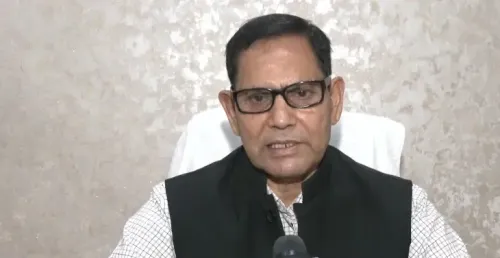
NCP-SP National Spokesperson Naseem Siddiqui defended coalition politics broadly, citing precedents from the government of former Prime Minister Atal Bihari Vajpayee — which rested on a 22-party coalition — and the current administration under Prime Minister Narendra Modi. However, Siddiqui questioned the reported Congress demand for 181 Assembly seats, saying it was disproportionate to the party's organisational footprint. 'The Samajwadi Party is the biggest force in Uttar Pradesh. Congress can ask for 50 or 100, but not 181,' he said.
The Seat-Sharing Gap
According to reports, Congress has sought 181 of the 403 seats in Uttar Pradesh, while the Samajwadi Party is reportedly expecting Congress to settle for 50 to 60 constituencies — a wide chasm that both sides say discussions will bridge. This comes amid a broader national pattern where the INDIA bloc's constituent parties have frequently struggled to reconcile seat allocations in large states, with Uttar Pradesh — with its 80 Lok Sabha seats — historically the most consequential battleground.
How the Congress-SP negotiations conclude in the coming weeks could set the tone for opposition unity across other states ahead of the assembly cycle.
Point of View
While Congress is seeking a share of seats far exceeding its organisational or electoral weight in the state. The gap between 181 and 50 is not a negotiating range — it is a credibility test for Congress's self-assessment. Meanwhile, BJP's public confidence is not bluster; opposition coalitions in UP have historically fragmented near election day, and the BJP's ability to consolidate a plurality has repeatedly proven decisive. Unless the alliance locks in a final seat count well before polling, the energy spent on press statements may amount to little.
NationPress
15 Nov 2026
Frequently Asked Questions
Are Congress and SP contesting the UP Assembly elections together?
Congress and Samajwadi Party leaders have publicly confirmed their intent to contest the upcoming Uttar Pradesh Assembly elections jointly, though seat-sharing negotiations between the two parties are still ongoing as of 15 November.
How many seats is Congress seeking in the UP Assembly elections?
According to reports, Congress has sought 181 of the 403 Assembly seats in Uttar Pradesh. The Samajwadi Party is reportedly expecting Congress to settle for around 50 to 60 constituencies, leaving a significant gap in the negotiations.
What is BJP's reaction to the Congress-SP alliance in UP?
BJP spokesperson T.R. Srinivas dismissed the alliance, arguing that Congress has a poor record in direct contests against the BJP and that larger opposition coalitions have historically benefited the ruling party. He said voters would evaluate BJP on its development record.
How did Congress and SP perform in their previous electoral alliance in UP?
Congress MP Pramod Tiwari cited a combined tally of 47 seats as the benchmark from their previous alliance in Uttar Pradesh, expressing confidence that a united front would improve on that figure in the upcoming polls.
When did Congress last hold power in Uttar Pradesh?
Congress last held power in Uttar Pradesh in 1989, meaning the party has been out of government in the state for nearly 36 to 37 years. Critics, including Shiv Sena spokesperson Anand Dubey, have used this to question the credibility of Congress's seat demands.