UP Assembly election 2027: Opposition's momentum may stall without seat-sharing deal
Synopsis
The SP-led Opposition in Uttar Pradesh has real momentum — Lok Sabha gains, MLC wins, and the SIR controversy — but the seat-sharing knot remains unsolved. History, including the 2017 'UP ke ladke' collapse, shows that a well-publicised alliance without a resolved arithmetic can hand the BJP precisely the opening it needs.
Key Takeaways
The SP-led Opposition is riding high on its 2024 Lok Sabha gains, where the BJP lost over two dozen seats compared to 2019.
The BJP also suffered reverses in MLC elections across 11 seats , including in strongholds Varanasi and Lucknow .
Seat-sharing negotiations for 403 Assembly constituencies are far more complex than Lok Sabha-level arrangements, with every district leader and candidate holding a stake.
The 2017 'UP ke ladke' SP-Congress alliance is a cautionary parallel — despite national attention, the BJP won 312 seats against the SP's 47 and Congress's 7 .
Delayed negotiations impose an operational cost: candidates lose critical campaign preparation time, while the BJP's permanent-election-mode organisation maintains its edge.
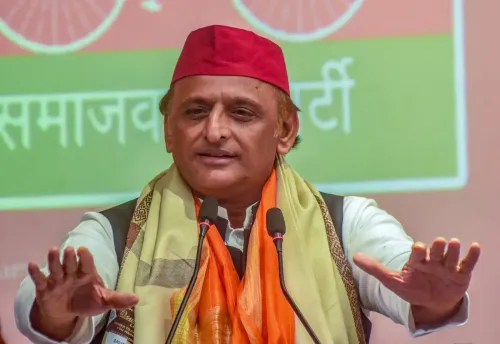
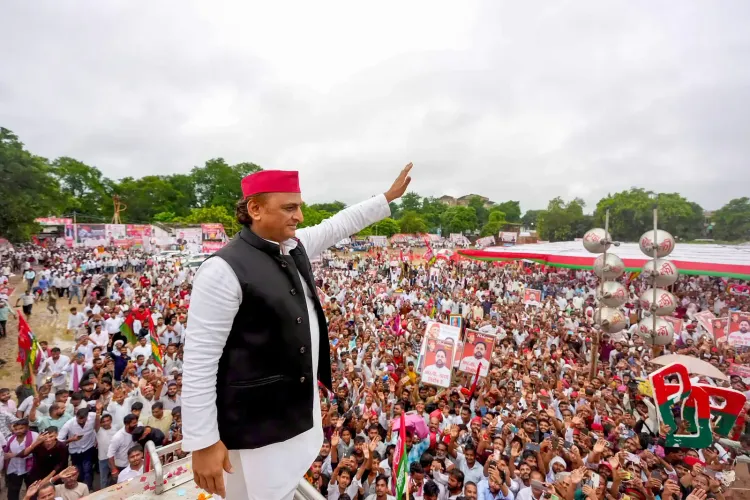
Months before the Uttar Pradesh Assembly election, the Opposition bloc — led by the Samajwadi Party (SP) — is riding a wave of political confidence, buoyed by its strong showing in the 2024 Lok Sabha elections, recent victories in Legislative Council (MLC) polls, and headlines generated by protests against the Election Commission's Special Intensive Revision (SIR). But beneath this surface optimism lies an unresolved and historically dangerous challenge: the seat-sharing equation.
The Political Tailwinds
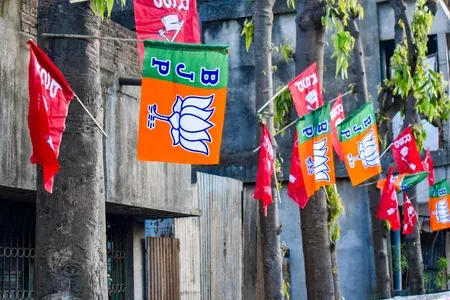
The SP's 2024 Lok Sabha performance fundamentally altered Uttar Pradesh's political narrative. The ruling Bharatiya Janata Party (BJP) lost more than two dozen seats compared to its 2019 tally — a significant retreat that handed the Opposition fresh confidence. Further setbacks for the BJP followed in the MLC elections across 11 graduate and teachers' constituency seats, where the party suffered reverses in strongholds like Varanasi and Lucknow, while Gorakhpur — Chief Minister Yogi Adityanath's home turf — saw only a narrow contest.
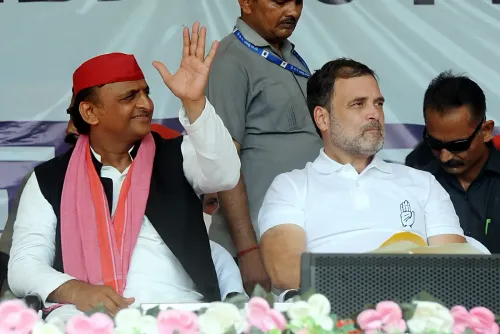
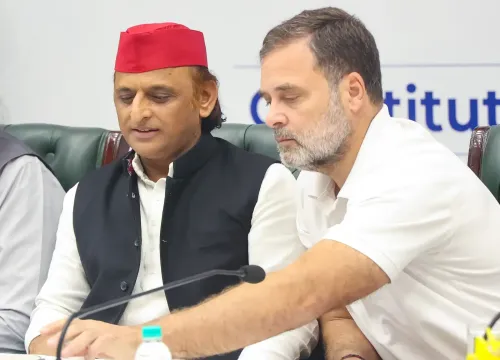
In the Lok Sabha contest, the SP and the Indian National Congress (Congress) managed a workable seat-sharing arrangement that minimised vote splitting, a combination that surprised many political observers. The question now is whether that coordination can be replicated — and scaled — across 403 Assembly constituencies.
Why Seat-Sharing Is the Real Test
Seat-sharing negotiations for Assembly elections are structurally more complex than those for Parliamentary contests. Every district leader, regional power broker, and aspiring candidate holds a stake in the outcome. The SP, as the principal and largest constituent of the Opposition alliance, faces the same pressure that the Rashtriya Janata Dal (RJD) did in Bihar — a comparison worth noting, given that the Bihar Opposition platform fared poorly in that state's Assembly election despite comparable pre-poll momentum.
Cadres of the dominant partner invariably believe strong electoral performance entitles them to contest a large majority of seats, leaving Congress and smaller allies feeling short-changed. This internal tension — familiar from multiple state cycles — has a well-documented record of producing rebel candidates, fragmented campaigning, and voter confusion.
History as a Warning: The 2017 Alliance Failure
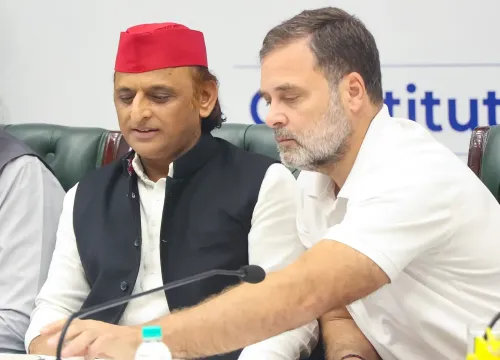
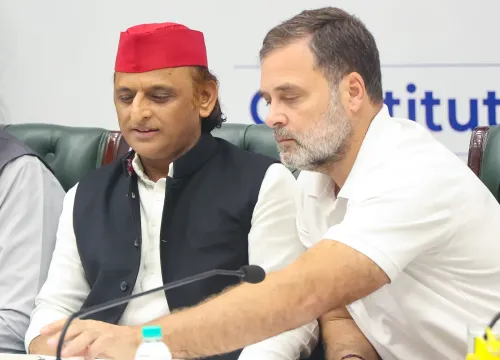
The most cautionary precedent is the 2017 Uttar Pradesh Assembly election, when the SP and Congress launched the high-profile 'UP ke ladke' campaign, positioning Rahul Gandhi and Akhilesh Yadav as a youthful joint leadership with the slogan 'UP ko yeh saath pasand hai'. The campaign attracted national attention but failed to convert momentum into votes. The BJP swept the state with 312 seats, while the SP was reduced to 47 and Congress to just 7. Critics argue that delayed seat announcements, grassroots dissatisfaction, and unclear voter messaging were key contributors to that collapse.
The Operational Cost of Delay
Beyond politics, prolonged seat-sharing talks carry a practical cost. Candidates require time to print campaign material, mobilise volunteers, build local voter outreach, and establish visibility in their constituencies. Every week of uncertainty translates into wasted preparation time — an asymmetric disadvantage, given that the BJP, by most accounts, operates in a near-permanent election mode, with its organisational infrastructure consistently active between polls.
A divided or slow-to-consolidate Opposition also creates an opening for the BJP to consolidate its own vote base while positioning itself as the only stable governing alternative — a messaging advantage it has deployed effectively not just in Uttar Pradesh but across several state contests.
What the Opposition Must Do Next
Analysts argue that electoral data, caste arithmetic, organisational strength, and candidate viability — rather than historical claims or momentum alone — must drive seat allocation decisions. The sooner the bloc locks in an agreement, the more time all constituent parties have to mount coherent campaigns. The Opposition's political edge, real as it may be, is not self-sustaining. Without a resolved alliance framework, the window to translate current momentum into Assembly seats will narrow significantly as election season approaches.
Point of View
But confidence is not a seat-sharing formula. The Bihar parallel is instructive and uncomfortable: the RJD, like the SP, was the dominant Opposition partner, yet the alliance arithmetic collapsed under its own weight. What the UP Opposition needs is not more momentum — it has that — but a binding, early seat-allocation framework before internal bargaining turns public. The BJP does not need to win the argument; it only needs the Opposition to lose itself in one.
NationPress
3 Nov 2026
Frequently Asked Questions
What is the current political situation of the Opposition ahead of the UP Assembly election?
The SP-led Opposition bloc is riding momentum from its strong 2024 Lok Sabha performance — where the BJP lost over two dozen seats compared to 2019 — and recent MLC election gains in Varanasi and Lucknow. However, analysts warn that unresolved seat-sharing arrangements among alliance partners remain a significant structural risk ahead of the Assembly polls.
Why is seat-sharing so difficult for the Opposition in Uttar Pradesh?
Assembly elections involve 403 constituencies, each with its own caste dynamics, local power brokers, and aspiring candidates, making coordination far harder than Lok Sabha-level deals. The SP, as the dominant partner, faces pressure from its own cadres to claim the majority of seats, leaving smaller allies like Congress feeling short-changed — a tension that has previously produced rebel candidates and weakened campaign coordination.
What happened with the SP-Congress alliance in the 2017 UP Assembly election?
The 2017 'UP ke ladke' alliance between Akhilesh Yadav and Rahul Gandhi was one of the most publicised political partnerships of that cycle, accompanied by the slogan 'UP ko yeh saath pasand hai'. Despite the fanfare, the BJP won 312 seats, while the SP was reduced to 47 and Congress to just 7 — widely attributed to delayed seat finalisation, grassroots dissatisfaction, and confused voter messaging.
How does delayed seat-sharing hurt Opposition candidates?
Candidates need time to print campaign material, mobilise volunteers, and build voter outreach. Delayed alliance announcements leave them in limbo, wasting critical preparation weeks. The BJP, which operates in near-permanent election mode, does not face this disadvantage, widening the organisational gap.
How does the Bihar Opposition experience compare to the UP situation?
In Bihar, the RJD-led Opposition bloc — like the SP in UP — was the largest and most prominent alliance partner, with high pre-poll expectations. However, seat-sharing talks became prolonged and acrimonious, and the Opposition platform ultimately fared poorly compared to its previous state poll performance. Analysts see the Bihar experience as a direct cautionary parallel for the SP and its partners in Uttar Pradesh.