CM Bhupendra Patel Launches ₹2,283 Cr Tribal Projects in Chhota Udepur
Synopsis
Chief Minister Bhupendra Patel inaugurated over ₹2,283 crore in tribal development works in Chhota Udepur on Janjatiya Gaurav Diwas, launched 'Shabri Booth' and 'Johar Cafe' initiatives, and distributed welfare benefits to more than 27,900 tribal beneficiaries across Gujarat.
Key Takeaways
Chief Minister Bhupendra Patel inaugurated and laid the groundwork for projects worth more than ₹2,283 crore for tribal area development in Gujarat on 15 November 2026 .
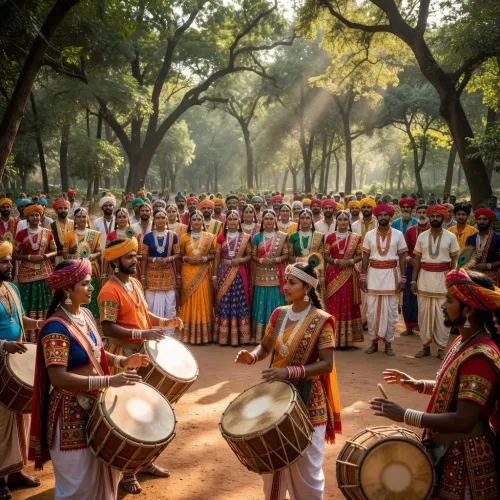
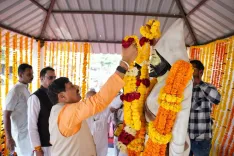
The event was held in Chhota Udepur to mark Birsa Munda's 151st birth anniversary , observed nationally as Janjatiya Gaurav Diwas .
New 'Shabri Booth' outreach centres will carry welfare scheme information to tribal citizens across 14 districts ; 'Johar Cafe' will promote traditional tribal cuisine and produce.
More than 27,900 beneficiaries received direct benefits under schemes including Van Adhikar, Awaas, Kunvarbai nu Mameru, and Mahila Doodhala Pashu Yojana.
6 mini fire tender vehicles were flagged off for deployment in tribal areas.
A special exhibition on the Tribal Department's schemes and projects was inaugurated at the venue.
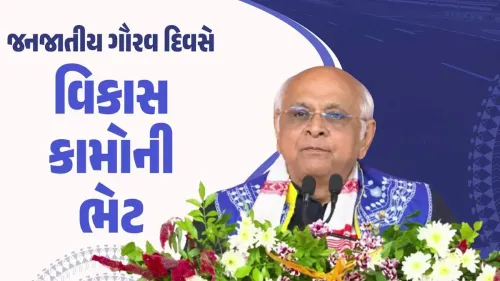
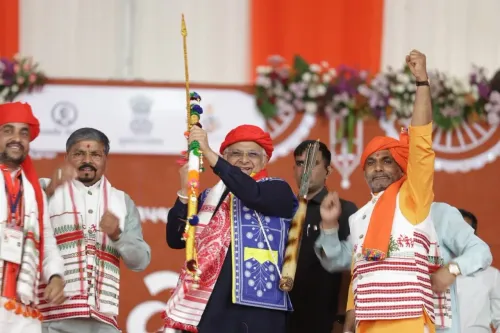
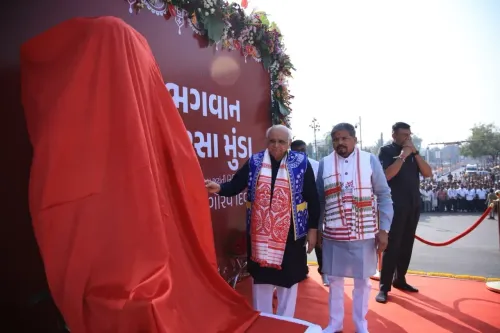
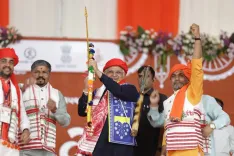
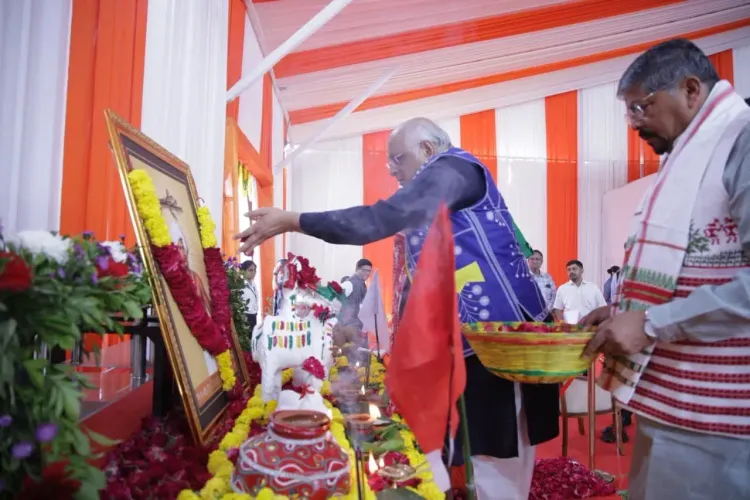
On Janjatiya Gaurav Diwas — the national observance honouring tribal freedom fighter Birsa Munda on his 151st birth anniversary — Gujarat Chief Minister Bhupendra Patel turned Chhota Udepur into the stage for one of the state's largest single-day tribal welfare drives, inaugurating and laying the foundation for projects worth more than ₹2,283 crore aimed at the holistic development of the state's tribal belt.
₹2,283 Crore Push Across Gujarat's 14 Tribal Districts
The event, held in the presence of Tribal Development Minister Naresh Patel and other senior officials, saw Chief Minister Patel formally launch and inaugurate development works spanning 14 tribal-majority districts across Gujarat. The scale of the outlay signals a continued state focus on closing the infrastructure and welfare gap in Scheduled Tribe-dominated regions — an agenda that has anchored Gujarat's Vanbandhu Kalyan Yojana since its launch in 2007.
The Chief Minister also flagged off 6 mini fire tender vehicles for tribal areas and inaugurated a special exhibition showcasing the Tribal Department's schemes, development projects, and ongoing programmes — bringing administrative outreach directly into a community setting.
'Shabri Booth' and 'Johar Cafe' — New Outreach Anchors for Tribal Villages
Two new community-facing initiatives were unveiled. The 'Shabri Booth' is designed to ensure that information on the government's various welfare schemes reaches tribal citizens across all 14 districts more easily — a grassroots information delivery point named after the revered tribal woman from the Ramayana. Alongside it, the 'Johar Cafe' was launched to promote local and traditional food, produce, and products from tribal areas — a soft economic empowerment measure that puts indigenous cuisine and goods in public view.
27,900 Beneficiaries Receive Direct Scheme Benefits
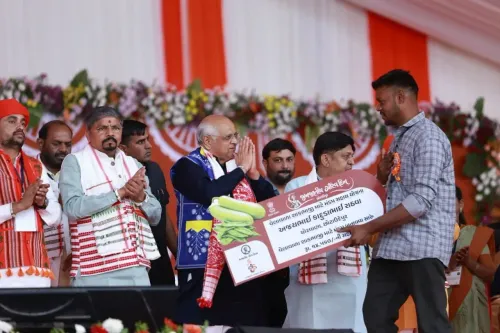
Beyond infrastructure, the event served as a mass disbursement exercise. Chief Minister Patel handed benefits to more than 27,900 beneficiaries under a range of welfare schemes including Van Adhikar (forest rights), Awaas (housing), Kunvarbai nu Mameru (a marriage assistance scheme for tribal girls), and the Mahila Doodhala Pashu Yojana — a scheme supporting women's access to milch cattle. Each of these schemes targets a distinct vulnerability within tribal households, from land rights to livelihood to social security.
Birsa Munda's 151st Birth Anniversary as the Catalyst
Birsa Munda, the 19th-century tribal leader and freedom fighter from present-day Jharkhand, mobilised the Adivasi community against colonial land exploitation and became a symbol of indigenous resistance. The Government of India declared 15 November as Janjatiya Gaurav Diwas in 2021 to institutionalise his legacy and recognise tribal contributions to the nation's freedom movement. Gujarat's choice to anchor a ₹2,283 crore development event to this date in Chhota Udepur — itself a district with deep tribal roots — frames welfare delivery as cultural respect, not just administration.
With Shabri Booths set to fan out across 14 districts and large-scale project groundbreakings now on record, the real test will come in implementation — whether the crores committed on Janjatiya Gaurav Diwas translate into roads, houses, and rights certificates in the villages where tribal Gujarat actually lives.
Point of View
Making the state a visible custodian of tribal identity and not just a service provider. The ₹2,283 crore commitment in a single day, spread across 14 districts, also signals that tribal welfare has moved from a residual category to a headline political priority in Gujarat ahead of future electoral cycles. Initiatives like Shabri Booth address a persistent last-mile problem: tribal communities often remain unaware of entitlements they qualify for, so information infrastructure can be as impactful as physical infrastructure. Whether this event marks a genuine acceleration of the Vanbandhu Kalyan Yojana's original ambitions or remains largely ceremonial will depend on auditable delivery timelines in the months ahead.
NationPress
15 Nov 2026
Frequently Asked Questions
What is Janjatiya Gaurav Diwas and why is it celebrated on 15 November?
Janjatiya Gaurav Diwas is observed on 15 November every year to honour the birth anniversary of tribal freedom fighter Birsa Munda . The Government of India officially declared this day in 2021 to recognise the contributions of tribal communities to India's independence movement.
What is the Shabri Booth scheme launched by the Gujarat government?
Shabri Booth is a Gujarat government initiative designed to serve as a grassroots information point, ensuring that details of various welfare schemes reach tribal citizens across the state's 14 tribal-majority districts more easily and directly.
What is Johar Cafe in Gujarat?
Johar Cafe is a new initiative launched by the Gujarat government to promote local, traditional food items and products from tribal areas, providing a platform for indigenous cuisine and tribal produce to reach a wider audience.
How much was invested in tribal development projects in Gujarat on 15 November 2026?
Chief Minister Bhupendra Patel inaugurated and laid the foundation for tribal development works worth more than ₹2,283 crore across Gujarat's tribal districts at an event in Chhota Udepur on 15 November 2026 .
What is Kunvarbai nu Mameru scheme in Gujarat?
Kunvarbai nu Mameru is a Gujarat government welfare scheme that provides financial assistance to tribal families at the time of a daughter's marriage, aimed at reducing the economic burden on tribal households and discouraging child marriage.