India rejects Pakistan's 'baseless allegations' over Ferozepur border incident
Synopsis
India summoned Pakistan's top diplomat in New Delhi and flatly rejected Islamabad's version of a 2 October border incident in Punjab's Ferozepur sector, calling the allegations 'baseless and motivated.' The MEA accused Pakistan of running a pattern of armed narcotics infiltration and demanded Islamabad investigate the complicity of its own border forces — a rare and pointed accusation that signals a sharp escalation in diplomatic temperature.
Key Takeaways
India's MEA summoned Saad Ahmad Warraich , Pakistan High Commission Charge d'Affaires, on 3 October to protest cross-border infiltration.
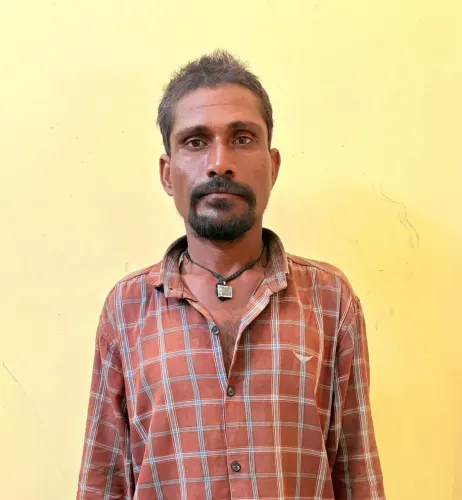
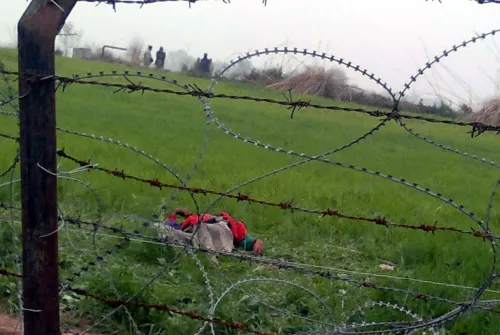
Three individuals crossed into Indian territory in the Ferozepur sector of Punjab on 2 October ; the BSF engaged them after multiple warnings were ignored.
India rejected Pakistan's characterisation of the incident as 'baseless and motivated allegations.' The MEA accused Pakistan of facilitating armed narcotics syndicates and demanded an investigation into the complicity of Pakistan Border Guarding forces.
Bhavika Mangalanandan of India's UN Mission accused Pakistan of sponsoring cross-border terrorism for over three decades and invoked 'Form 47' to highlight alleged military manipulation of Pakistan's 2024 elections.
India on Saturday, 3 October formally rejected what it called Pakistan's 'baseless and motivated allegations' over a cross-border infiltration incident in the Ferozepur sector of Punjab along the International Border, summoning a senior Pakistani diplomat to lodge a strong protest. The Ministry of External Affairs (MEA) said the incident on 2 October involved three individuals who crossed into Indian territory despite repeated warnings, and accused Islamabad of facilitating armed narcotics syndicates.
The Diplomatic Summons
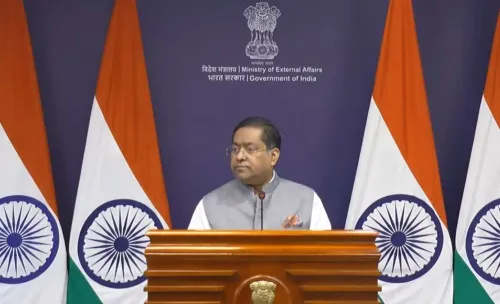
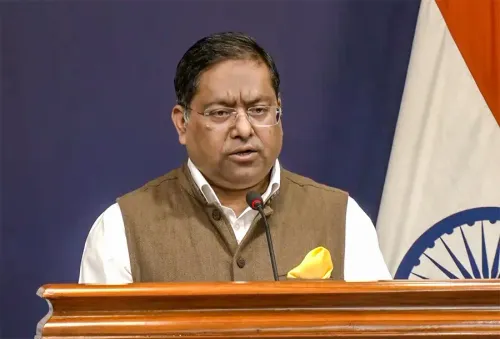
The MEA summoned Saad Ahmad Warraich, Charge d'Affaires of the Pakistan High Commission, to register India's protest over what it described as Pakistan's continued facilitation of illegal cross-border infiltration. New Delhi simultaneously and categorically rejected Islamabad's characterisation of the 2 October Ferozepur sector incident, calling the allegations motivated and without factual basis.
What Happened at the Border
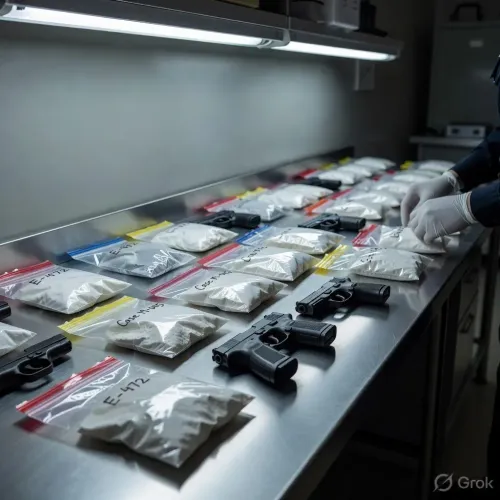
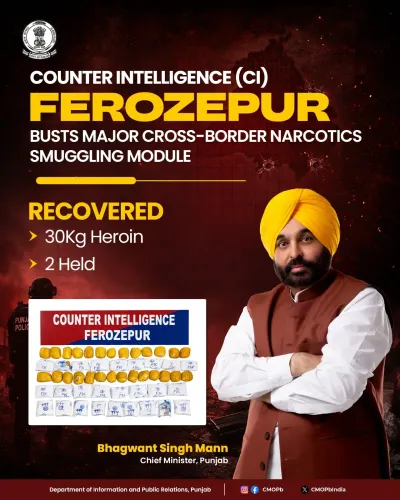
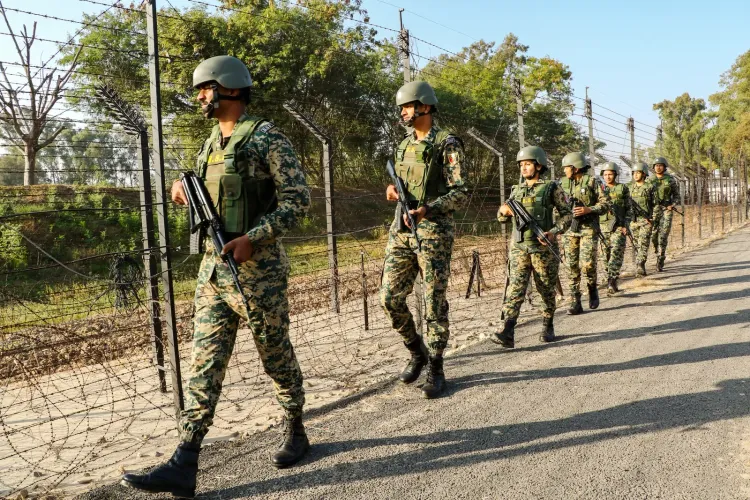
According to the MEA statement, three individuals infiltrated into Indian territory from Pakistan on 2 October. The Border Security Force (BSF) issued multiple warnings asking them to return to Pakistan, but the individuals continued advancing toward the border fence. The BSF was subsequently compelled to engage them, citing an imminent security threat. India described the episode as part of 'a clear pattern of repeated cross-border movement by armed narcotics syndicates operating from Pakistan.'
India's Demands of Pakistan
The MEA urged the Pakistan government to investigate the cross-border infiltration and drug-smuggling activities, including the alleged complicity of Pakistan Border Guarding forces. New Delhi also called on Islamabad to respect the sanctity of the International Border, strictly observe relevant bilateral arrangements, and take definitive steps to prevent the recurrence of such incidents. Pakistan was further asked to mandate its forces to exercise effective control over unauthorised movement from its side.
India's Broader Accusation at the UN
The protest comes against the backdrop of sharper Indian rhetoric at the international level. Bhavika Mangalanandan, First Secretary at India's UN Mission, had accused Pakistan's military rulers of weaponising terrorism as a distraction from domestic discontent. 'Instead of addressing domestic discontent, Pakistan seeks to distract by fomenting instability in India and sponsoring, inciting, abetting, and financing cross-border terrorism in my country for more than three decades,' she said. Mangalanandan also invoked 'Form 47' — an election document that critics allege was manipulated by Pakistan's military to install Prime Minister Shehbaz Sharif's government as a proxy in Islamabad in 2024 — which has since become a widely recognised symbol of ridicule in Pakistani political discourse. This is not the first such diplomatic protest; India has repeatedly summoned Pakistani envoys over border and terrorism-related incidents, reflecting a pattern of strained bilateral engagement that has persisted for decades.
What Comes Next
The MEA has made clear that India expects Pakistan to take 'appropriate remedial measures' and prevent further cross-border movement. With bilateral relations already at a historic low and no formal dialogue mechanism currently active, analysts note that the likelihood of a substantive Pakistani response remains uncertain. The incident is expected to further complicate any near-term diplomatic engagement between the two countries.
Point of View
India is building an evidentiary record that goes beyond standard terrorism accusations. The BSF's engagement of three infiltrators is, in isolation, a tactical incident; framed as a 'clear pattern,' it becomes a geopolitical argument. With no active bilateral dialogue channel, New Delhi appears to be litigating this dispute in international forums rather than at the table — a posture that signals low confidence in diplomacy but high intent to shape global perception.
NationPress
3 Oct 2026
Frequently Asked Questions
What happened at the Ferozepur border on 2 October 2024?
Three individuals infiltrated into Indian territory from Pakistan in the Ferozepur sector of Punjab on 2 October. The BSF issued multiple warnings asking them to return to Pakistan, but they continued advancing toward the border fence, prompting the BSF to engage them citing an imminent security threat.
Why did India summon Pakistan's diplomat?
India's MEA summoned Saad Ahmad Warraich, Charge d'Affaires of the Pakistan High Commission, on 3 October to lodge a strong protest over Pakistan's continued facilitation of illegal cross-border infiltration and to categorically reject Pakistan's allegations about the Ferozepur incident.
What did India demand from Pakistan after the incident?
India urged Pakistan to investigate cross-border infiltration and drug-smuggling activities, including the alleged complicity of Pakistan Border Guarding forces. It also called on Islamabad to respect the International Border, observe bilateral arrangements, and take definitive steps to prevent recurrence.
What is 'Form 47' and why did India's UN official mention it?
'Form 47' is an election document that critics allege was manipulated by Pakistan's military to install Prime Minister Shehbaz Sharif's government as a proxy in 2024. India's UN Mission First Secretary Bhavika Mangalanandan invoked it to argue that Pakistan's military rulers use cross-border terrorism as a distraction from domestic political discontent.
How does this incident fit into the broader India-Pakistan relationship?
India has repeatedly summoned Pakistani envoys over border and terrorism-related incidents, reflecting a long-standing pattern of strained bilateral ties. With no formal dialogue mechanism currently active, this latest protest is unlikely to produce an immediate diplomatic resolution.