India-South Korea explore nuclear energy, green hydrogen cooperation
Synopsis
India and South Korea are deepening bilateral ties on clean energy, with Ambassador Gourangalal Das holding a string of high-level meetings with South Korean lawmakers on nuclear energy, green hydrogen, and renewables — signalling that a more formal energy pact between the two countries may be closer than it appears.
Key Takeaways
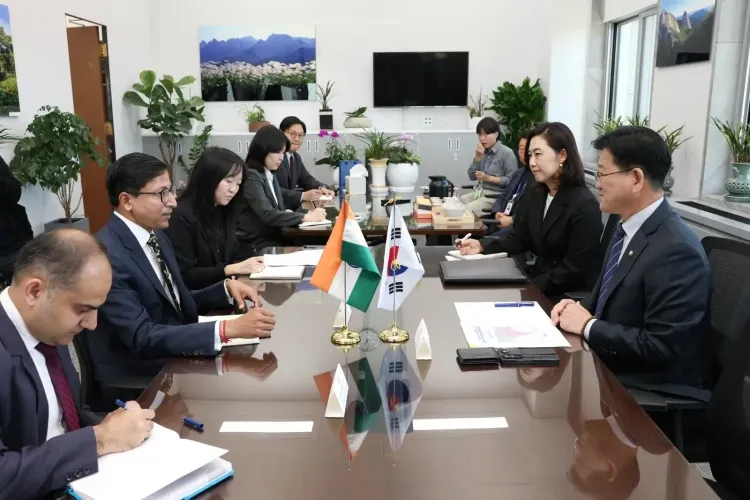
India's Ambassador Gourangalal Das met South Korean National Assembly Chairman Kim Jung-ho in Seoul on 15 October 2026 to explore clean energy cooperation.
Areas of cooperation discussed include nuclear energy , green hydrogen , and renewable energy .
Das also met the South Korea-India Parliamentary Friendship Group on 15 September , covering parliamentary, cultural and people-to-people ties.
On 3 September , the Ambassador discussed supply chain cooperation , clean energy , and SMEs and startups with National Assembly Committee Chairperson Kim Seong-won .
No formal agreements have been announced; talks remain at the exploratory stage.
India and South Korea are actively exploring expanded cooperation in clean energy and environment, with nuclear energy, green hydrogen, and renewable energy at the centre of bilateral discussions, the Indian Embassy in Seoul confirmed on Thursday, 15 October 2026. The engagement marks a sustained diplomatic push to deepen the two nations' energy partnership amid global pressure to accelerate decarbonisation.
Key Meeting in Seoul
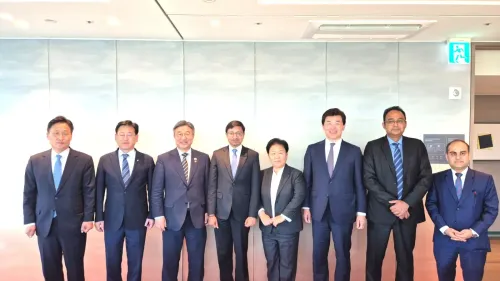
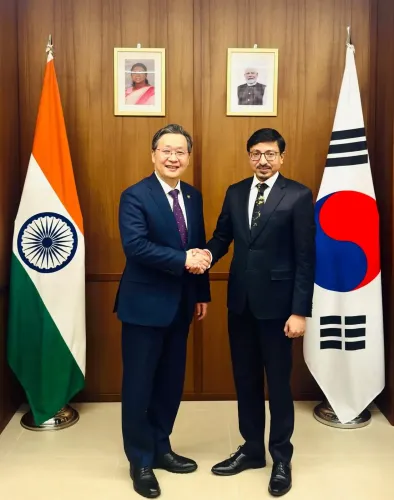
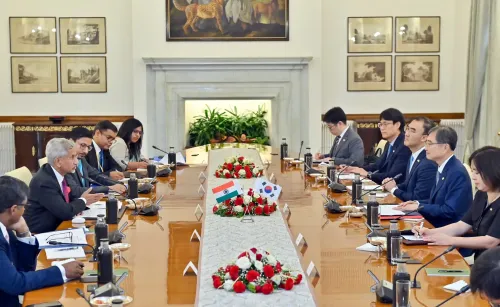
India's Ambassador to South Korea, Gourangalal Das, met Kim Jung-ho, Chairman of the Environment, Climate, Energy and Labour Committee of South Korea's National Assembly, to identify actionable areas of collaboration. 'Ambassador met Chairman of the Environment, Climate, Energy and Labour Committee of the National Assembly, Kim Jung-ho and explored areas of cooperation between India and the ROK in the domain of environment, energy transition including nuclear energy, green hydrogen and renewable energy,' the Indian Embassy posted on X.
A Series of High-Level Engagements
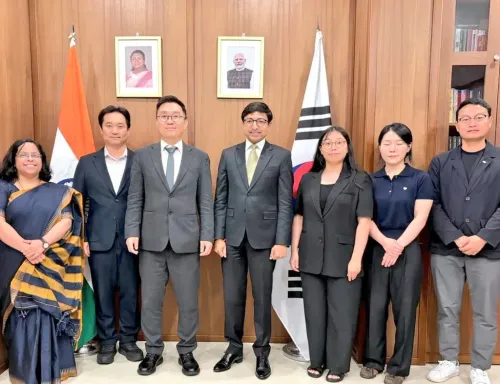
The meeting is part of a broader diplomatic offensive by Ambassador Das, who has held multiple structured engagements with South Korean lawmakers in recent weeks. On 15 September, he met members of the South Korea-India Parliamentary Friendship Group — including Chairperson Yun Ho-jung, Vice Chairpersons Moon Jeong-bog and Yoon Young-seok, and members Kim Young-jin and Kim Jung-ho — to explore stronger parliamentary, cultural and people-to-people ties between the two countries.
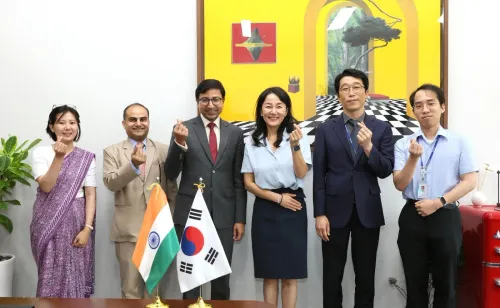
Earlier, on 3 September, Das met Kim Seong-won, Chairperson of the Trade, Industry, Energy, Small and Medium-sized Enterprises (SMEs) and Startups Committee, to discuss economic and commercial relations, supply chain cooperation, clean energy, and the promotion of SMEs and startups from both nations.
Why This Matters for India's Energy Transition
India has set ambitious targets for clean energy capacity, including 500 GW of non-fossil fuel power by 2030, and is actively seeking technology and investment partnerships to meet them. South Korea, home to globally competitive nuclear technology firms and a growing green hydrogen sector, represents a strategically significant partner. Notably, nuclear energy cooperation between the two countries has been a recurring but slow-moving agenda item — these latest engagements suggest a renewed political will to move beyond exploratory dialogue.
This comes amid India's broader effort to diversify its energy partnerships beyond traditional allies, engaging Japan, the UAE, Australia and the European Union on similar clean energy frameworks.
What Comes Next
No formal agreements or memoranda of understanding were announced following the meetings. The discussions remain at the exploratory stage, according to embassy communications. However, the frequency and seniority of the engagements suggest that a more structured bilateral energy framework between India and South Korea could be in the pipeline in the coming months.
Point of View
Not just a ceremonial representative. The inclusion of nuclear energy is the more consequential thread: India's civil nuclear programme has historically been hamstrung by international supplier hesitancy, and South Korea's KEPCO ecosystem could offer a credible alternative channel. Whether these conversations translate into an investable framework or remain at the level of pleasant communiqués will be the real test of this diplomatic momentum.
NationPress
15 Oct 2026
Frequently Asked Questions
What did India and South Korea discuss in their recent energy meetings?
India and South Korea discussed potential cooperation in nuclear energy, green hydrogen, and renewable energy during meetings between Indian Ambassador Gourangalal Das and senior South Korean National Assembly members. The talks remain exploratory, with no formal agreements announced yet.
Who represented India and South Korea in these discussions?
India was represented by Ambassador Gourangalal Das. On the South Korean side, key interlocutors included Kim Jung-ho, Chairman of the Environment, Climate, Energy and Labour Committee, and Kim Seong-won, Chairperson of the Trade, Industry, Energy, SMEs and Startups Committee.
Has any formal deal been signed between India and South Korea on clean energy?
No formal agreements or memoranda of understanding have been signed following these meetings. All discussions are currently at the exploratory stage, according to Indian Embassy communications from Seoul.
Why is India seeking energy cooperation with South Korea?
India is working to meet its target of 500 GW of non-fossil fuel power by 2030 and is actively diversifying its clean energy partnerships. South Korea has competitive capabilities in nuclear technology and green hydrogen, making it a strategically valuable partner for India's energy transition.
What is the broader context of India-South Korea bilateral relations?
The two countries have been strengthening ties across trade, energy, culture and parliamentary engagement. The Indian Embassy in Seoul has facilitated multiple high-level meetings since early September 2026, reflecting a broader diplomatic push to deepen the India-Republic of Korea partnership.