Jaishankar at G20 Atlanta: India pushes diplomacy, warns of global war costs
Synopsis
At the G20 Foreign Ministers' Meeting in Atlanta, Jaishankar went beyond diplomatic boilerplate — revealing active India-brokered talks with Russia, Ukraine, and Europe on Black Sea grain flows, civilian shipping safety, and a non-attack understanding on energy infrastructure. With Modi having personally engaged Putin and Jaishankar briefing Rubio's team, India is positioning itself as the indispensable bridge in a fragmented world ahead of December's G20 leaders' summit.
Key Takeaways
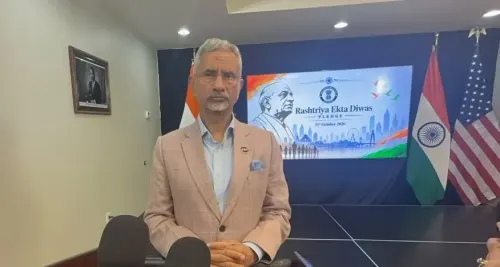
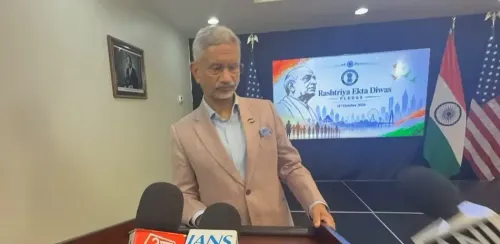
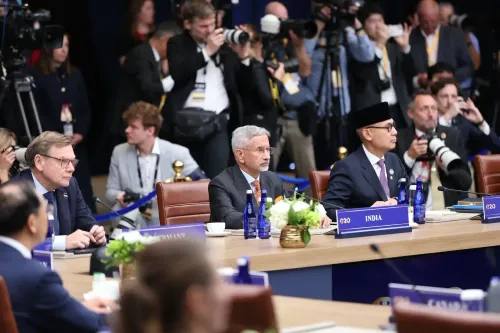
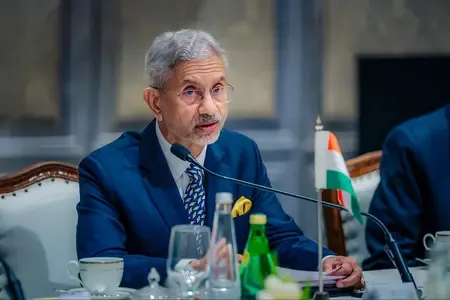
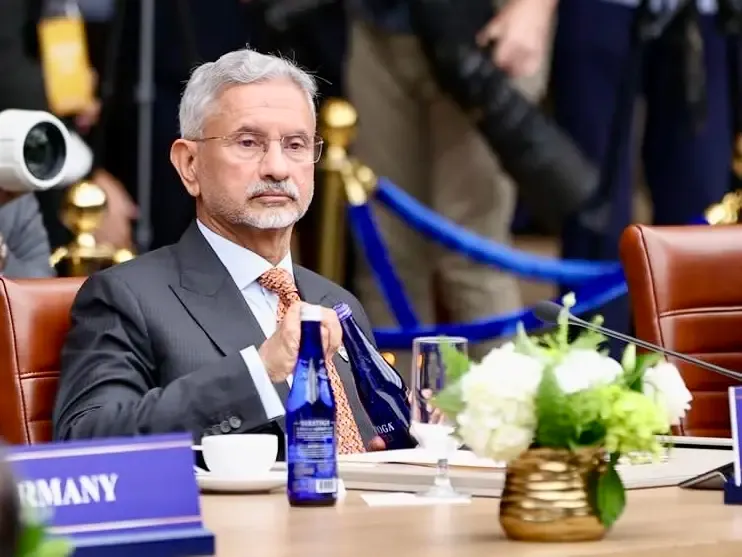
EAM Jaishankar addressed reporters in Atlanta on 1 November after the G20 Foreign Ministers' Meeting , calling for diplomatic solutions to ongoing conflicts.
India is engaging Russia , Ukraine , and Europe on three fronts: civilian shipping safety, restoring Black Sea grain flows, and a non-attack understanding on energy infrastructure.
PM Modi has discussed the Ukraine conflict with Russian President Putin ; Jaishankar met Foreign Minister Lavrov in Atlanta and is coordinating with US Secretary of State Marco Rubio .
India warned against weaponising supply chains and called for geographically diversified production networks at the G20.
The Quad foreign ministers held their third meeting of the year in Atlanta on Saturday , covering future agenda directions.
India hopes the G20 December leaders' summit will produce a consensus statement, citing the recent BRICS outcome as a positive signal.
External Affairs Minister S. Jaishankar on 1 November called on the G20 to pursue diplomatic pathways to resolve ongoing conflicts and urgently address disruptions to food, energy, and supply chains, as he outlined India's active engagement with Russia, Ukraine, and Europe to protect civilian shipping and restore Black Sea grain exports. Speaking to reporters in Atlanta after the G20 Foreign Ministers' Meeting, Jaishankar made clear that the costs of prolonged wars were being borne disproportionately by the Global South.
India's Core Message at the G20
India's central argument across the Atlanta sessions was that conflicts extending beyond their immediate theatres impose severe penalties on developing economies — through fuel shortages, grain price spikes, and broken supply links. 'Endless wars must give way to end the war,' Jaishankar said, in what amounted to the sharpest formulation of India's position at the forum.
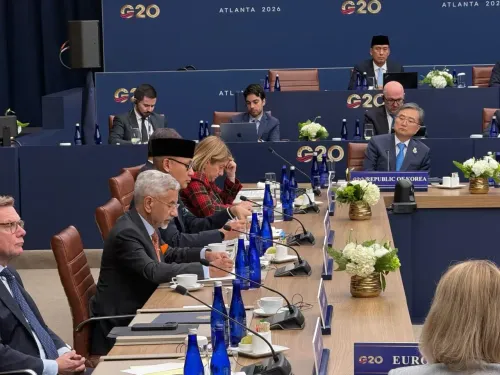
The Atlanta meeting covered three sessions: the geopolitical situation, energy and food security, and supply chains. The first two were held on Friday, with the supply chain discussion taking place on Saturday. Jaishankar described the gathering as 'productive, open and animated.'
Ukraine Conflict: Shipping, Grain and Energy
On the Ukraine conflict specifically, Jaishankar outlined India's engagement across three fronts. First, preventing attacks on civilian ships and the seafarers aboard them. Second, restoring grain flows from Russia and Ukraine — both major exporters — which have fallen sharply through the Black Sea. Third, securing a non-attack understanding on energy infrastructure, which he acknowledged was the most complex element.
'Non-attack on energy is probably the most complicated piece because it means different things to the different players,' he said. For some parties, energy infrastructure referred to refineries; for others, it meant electricity grids; fuel-transporting vessels raised yet further complications.
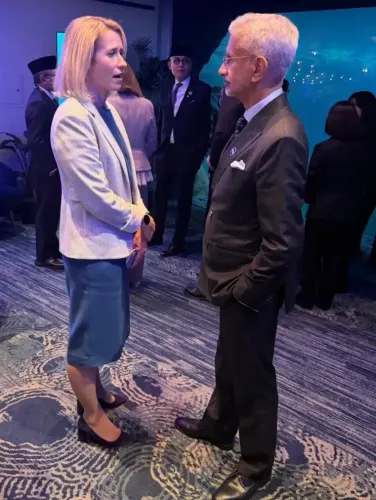
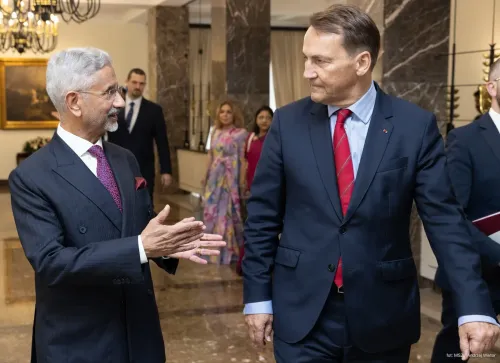
India's diplomatic contacts on this front span multiple levels. Prime Minister Narendra Modi has discussed the matter directly with Russian President Vladimir Putin. Jaishankar himself has visited both Moscow and Kyiv, and held fresh discussions with Russian Foreign Minister Sergey Lavrov on the sidelines in Atlanta. India is also coordinating with Washington, given the US has its own parallel peace mediation initiative. US Secretary of State Marco Rubio is reportedly broadly aware of India's efforts.
Food Security and Fertiliser Disruptions
Food security featured prominently in the discussions. Ministers examined both the interruption of grain shipments and the cascading effects of fertiliser shortages. Jaishankar linked the fertiliser problem partly to the Black Sea and partly to disruptions in the Gulf and Red Sea, while the grain crisis was more directly tied to the Black Sea. Global South nations, which account for a significant share of grain purchases from the two war-affected exporters, are the most exposed to these disruptions.
Supply Chain Diversification and Energy Market Warnings
On supply chains, India called for geographically diverse production networks so that the world is not excessively dependent on any single geography. Jaishankar cited the COVID-19 pandemic as a demonstration of how concentrated supply lines could unravel — a lesson that conflicts and climate events reinforce further. He also warned against the deliberate weaponisation of supply chains, arguing that multiple production centres were the most reliable defence against that risk.
On energy markets, India cautioned against distortions and the politicisation of energy flows, warning that the Global South bore the brunt of any resulting shortages.
Quad, Consensus Prospects and What Comes Next
Alongside the G20 session, the Quad foreign ministers — representing India, the United States, Japan, and Australia — convened in Atlanta on Saturday morning. It was their third such meeting this year, after earlier gatherings in New Delhi and Manila. Jaishankar said ministers felt the group had advanced its work and hoped future engagement could consider an expanded agenda.
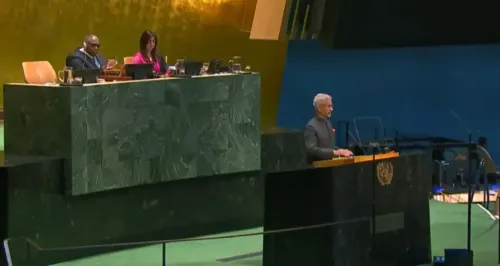
On the absence of a consensus statement from the foreign ministers' meeting, Jaishankar said the grouping had not yet reached the leaders' summit stage. He pointed to the BRICS summit, where key participants agreed on a common text despite a different membership and context, as a signal that consensus at December's G20 leaders' summit remained achievable. India, he said, would actively support that effort.
With the December summit now the focal deadline, the intensity of diplomatic activity — from Black Sea negotiations to Quad coordination — is expected to increase sharply in the weeks ahead.
Point of View
Grain, energy — is the most specific public articulation yet of what New Delhi is actually negotiating, and it reveals how difficult the energy piece is when the parties cannot even agree on what 'energy infrastructure' means. The coordination with Rubio's team is notable: India is not freelancing, but neither is it subsuming itself into a US-led process. The deeper question is whether India's credibility as a bridge survives if the December summit produces no consensus — a real possibility given the G20's expanded and fractious membership. Jaishankar's BRICS reference suggests quiet confidence, but BRICS is a far more manageable room than the full G20.
NationPress
1 Nov 2026
Frequently Asked Questions
What did Jaishankar say at the G20 Foreign Ministers' Meeting in Atlanta?
Jaishankar called on the G20 to pursue diplomatic solutions to ongoing conflicts and address disruptions to food, energy, and supply chains. He outlined India's active engagement with Russia, Ukraine, and Europe on protecting civilian shipping, restoring Black Sea grain exports, and preventing attacks on energy infrastructure.
What is India doing to resolve the Ukraine conflict?
India is engaging Russia, Ukraine, and Europe on three issues: preventing attacks on civilian ships and seafarers, restoring grain exports through the Black Sea, and securing a non-attack understanding on energy infrastructure. PM Modi has personally discussed the matter with President Putin, while Jaishankar has visited Moscow and Kyiv and met Russian FM Lavrov in Atlanta.
Why is the energy infrastructure issue considered the most complicated?
According to Jaishankar, 'non-attack on energy means different things to the different players.' Some parties define energy infrastructure as refineries, others as electricity grids, and fuel-transporting ships raise additional complications. India is attempting to bring the parties together to bridge these definitional differences.
What is India's position on supply chains at the G20?
India called for more geographically diversified production networks to reduce the world's dependence on any single geography. Jaishankar warned against the deliberate weaponisation of supply chains and cited the COVID-19 pandemic as evidence of the risks posed by overly concentrated supply lines.
Will the G20 produce a consensus statement before the December summit?
No consensus statement was issued at the Atlanta foreign ministers' level, but Jaishankar expressed optimism that common ground could be found before the December leaders' summit. He pointed to the recent BRICS outcome — where members agreed on a common text despite a different context — as a positive signal, and said India would actively support consensus efforts.