India-US drug precursor crackdown: NCB, DEA step up joint ops
Synopsis
India and the US are moving from pledges to operational results on drug trafficking, with two live NCB-DEA joint operations — MedMax and WIPE — already targeting syndicates across four continents and online fentanyl markets. The bilateral working group's second meeting in New Delhi signals this is now a structured, escalating enforcement partnership, not a one-off.
Key Takeaways
The India-US Drug Policy Executive Working Group held its second meeting in New Delhi on 2–3 November 2026 , agreeing to deepen intelligence sharing and pharmaceutical supply-chain safeguards.
Operation MedMax (July 2025) exposed a cross-continental drug syndicate spanning Asia, North America, Europe, and Australia , triggered by a 3.7 kg tramadol seizure in India.
Operation WIPE (launched April 2026) has identified 122 instances of illegal online drug listings covering 62 substances , including fentanyl .
India's NCB Director General Anurag Garg outlined the Vision Roadmap 2026–2029 , targeting entire criminal networks rather than individual seizures.
Both sides are discussing a voluntary code of conduct for the chemical industry to prevent precursor diversion.
ONDCP Director Sara Carter and US Ambassador Sergio Gor both described the cooperation as moving beyond dialogue to concrete operational outcomes.
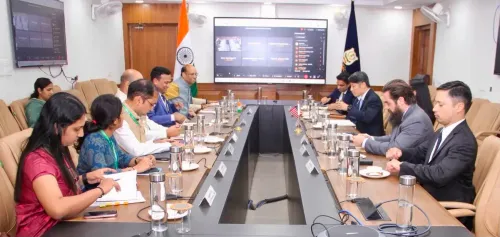
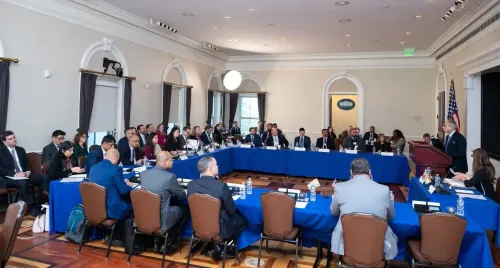
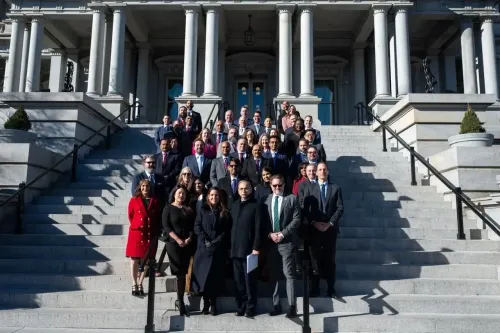
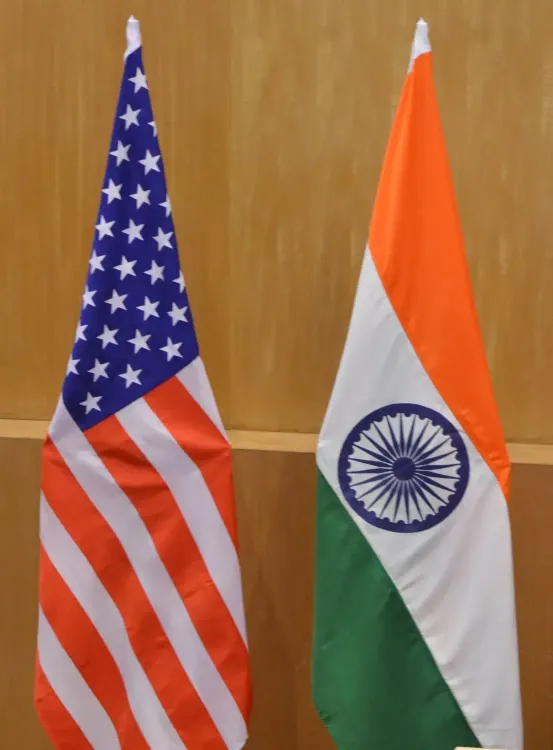
India and the United States have intensified bilateral cooperation to dismantle transnational drug-trafficking networks and plug the diversion of chemical precursors used to manufacture synthetic narcotics, the White House said in a readout released on 11 November 2026. The announcement followed the second India-US Drug Policy Executive Working Group meeting, held in New Delhi on 2–3 November.
What Was Agreed
Officials from both governments identified three priority areas: closer intelligence sharing, coordinated law enforcement operations, and tighter safeguards for pharmaceutical supply chains. The two sides also reviewed emerging trafficking threats and agreed on measures to curb drug demand. The White House said sustained, timely intelligence exchanges would be essential as traffickers continued to adapt their methods.
What the Officials Said
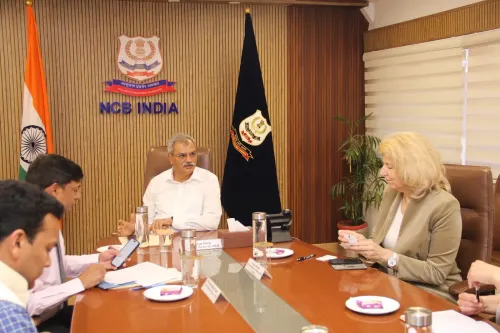
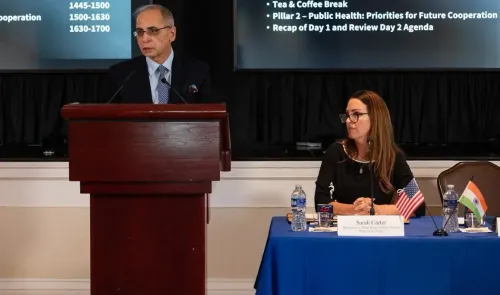
ONDCP Director Sara Carter described the cooperation as 'vital to disrupting transnational drug trafficking networks and preventing the diversion of synthetic drugs and chemical precursors into global markets.' US Ambassador to India Sergio Gor struck a sharper note, saying the two countries were delivering 'real operational results — choking off illicit precursor chemicals, securing commercial supply chains, and dismantling the cartels that exploit them.' India's delegation was led by Narcotics Control Bureau (NCB) Director General Anurag Garg, while Debbie Seguin, acting deputy director of the White House Office of National Drug Control Policy (ONDCP), headed the American side.
India's Vision Roadmap and Key Operations
Garg presented India's Vision Roadmap 2026–2029, which shifts enforcement focus from individual drug seizures to mapping and dismantling entire criminal ecosystems — targeting financiers, suppliers, facilitators, and transport networks, alongside financial investigations, prevention, and rehabilitation. Two live enforcement initiatives were discussed at the meeting.
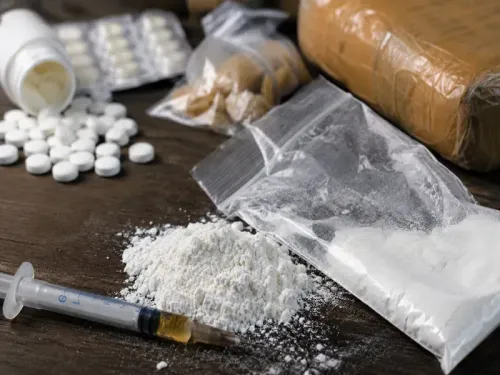
Operation MedMax, conducted in July 2025 using jointly developed intelligence from the NCB and the US Drug Enforcement Administration (DEA), uncovered a syndicate illegally distributing regulated medicines across Asia, North America, Europe, and Australia. The probe was triggered by the seizure of 3.7 kg of tramadol tablets in India. Investigators found the network had exploited an online business-to-business platform, digital payment channels, and international intermediaries to ship drugs without legitimate documentation.
Operation WIPE, launched in April 2026, targets online listings of narcotics controlled under Indian law. According to the NCB, the operation has so far identified 122 instances involving 62 substances, including fentanyl. Investigators monitor publicly accessible websites and have shared lists of controlled substances with digital platforms to help them identify and remove illegal listings.
Voluntary Code of Conduct
Beyond law enforcement operations, both delegations discussed a proposed voluntary code of conduct for the chemical industry, designed to prevent substances used in synthetic drug manufacturing from being diverted out of legitimate commerce. The measure reflects a broader recognition that upstream supply-chain controls are as critical as downstream enforcement.
What Comes Next
The working group's first session was held in Washington on 20–21 January, making this its second formal meeting. Both sides agreed to exchange best practices on targeted enforcement and signalled that the operational tempo would continue to rise. As synthetic drug threats evolve rapidly, the framework is expected to inform future joint operations between the NCB and DEA.
Point of View
MedMax and WIPE, show the NCB moving into digital enforcement territory that Indian law enforcement has historically been slow to enter. What is less clear is how the voluntary code of conduct for chemical suppliers will be enforced absent regulatory teeth; similar industry self-regulation frameworks in Europe have had mixed records. India's Vision Roadmap pivot toward network-level targeting over seizure metrics is strategically sound, but the proof will be in conviction rates and asset seizures — data neither side has yet made public.
NationPress
11 Nov 2026
Frequently Asked Questions
What was decided at the India-US Drug Policy Executive Working Group meeting?
The second India-US Drug Policy Executive Working Group meeting, held in New Delhi on 2–3 November 2026, agreed to deepen intelligence sharing, coordinate law enforcement operations, and strengthen pharmaceutical supply-chain safeguards. Both sides also reviewed emerging trafficking threats and measures to reduce drug demand.
What is Operation MedMax?
Operation MedMax was a joint NCB-DEA enforcement action conducted in July 2025 that dismantled a syndicate illegally distributing regulated medicines across Asia, North America, Europe, and Australia. The investigation began with the seizure of 3.7 kg of tramadol tablets in India and found the network used online platforms, digital payments, and international intermediaries to evade documentation requirements.
What is Operation WIPE and what has it found?
Operation WIPE, launched in April 2026, monitors publicly accessible websites for illegal listings of drugs controlled under India's narcotics law. The NCB has so far identified 122 instances involving 62 substances, including fentanyl, and has shared lists of controlled substances with digital platforms to help remove illegal listings.
What is India's Vision Roadmap 2026–2029?
India's Vision Roadmap 2026–2029 is an NCB strategy that shifts the focus of drug enforcement from individual seizures to dismantling entire criminal networks, targeting financiers, suppliers, facilitators, and transport networks alongside financial investigations, prevention, and rehabilitation programmes.
Why does India-US cooperation on drug precursors matter?
Chemical precursors are the building blocks of synthetic narcotics such as fentanyl and methamphetamine, which are driving overdose crises globally. Preventing their diversion from legitimate pharmaceutical and industrial commerce is considered one of the most effective upstream interventions, and India — as a major pharmaceutical and chemical producer — occupies a critical position in global supply chains.